Full-Coverage Air Pressure Calf & Leg Massager Guide
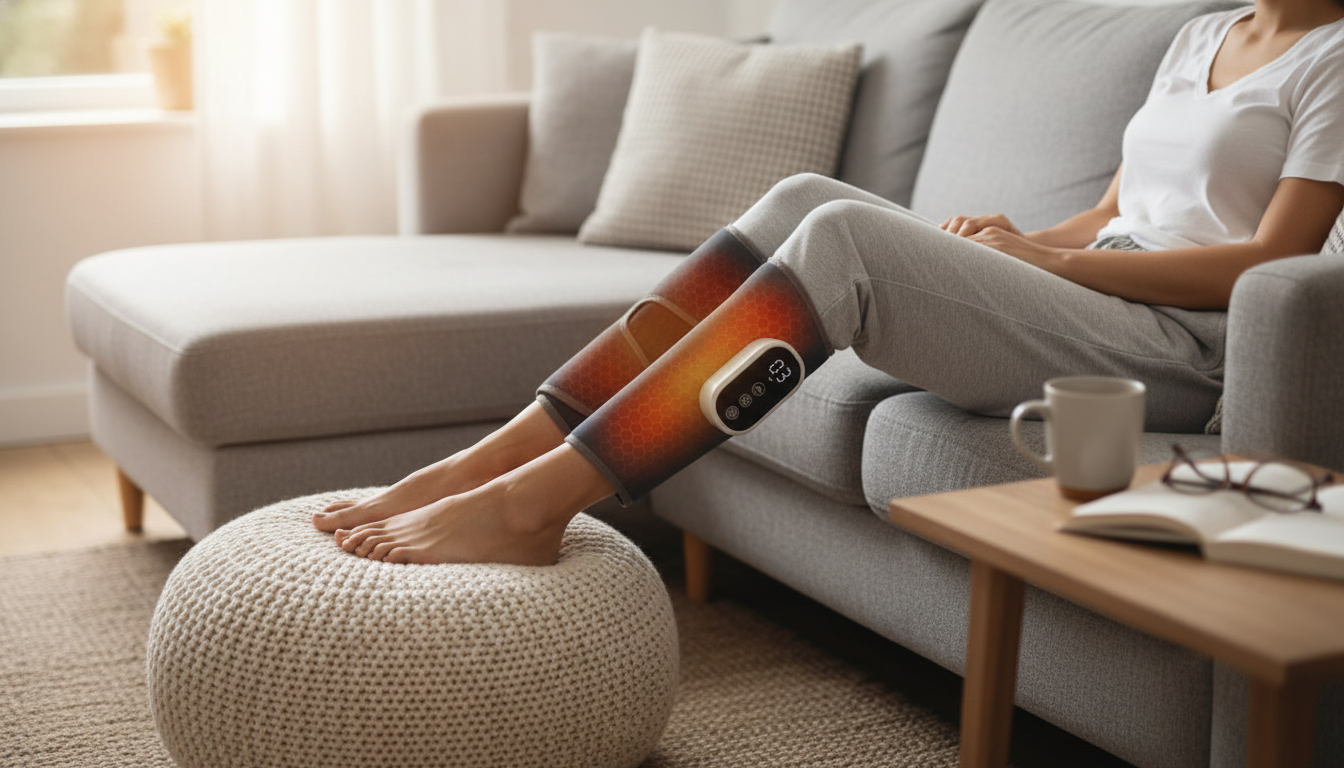
Electric Calf and Leg Massager with Full Coverage Air Pressure Massage
Tight calves, heavy legs, and end-of-day soreness often show up after long sitting, long standing, workouts, or travel. A full-coverage air-pressure leg massager delivers rhythmic compression around the calves to help legs feel looser, lighter, and more recovered—at home on the couch, after training, or whenever your lower legs need a comfort-focused reset.
What full-coverage air pressure massage feels like
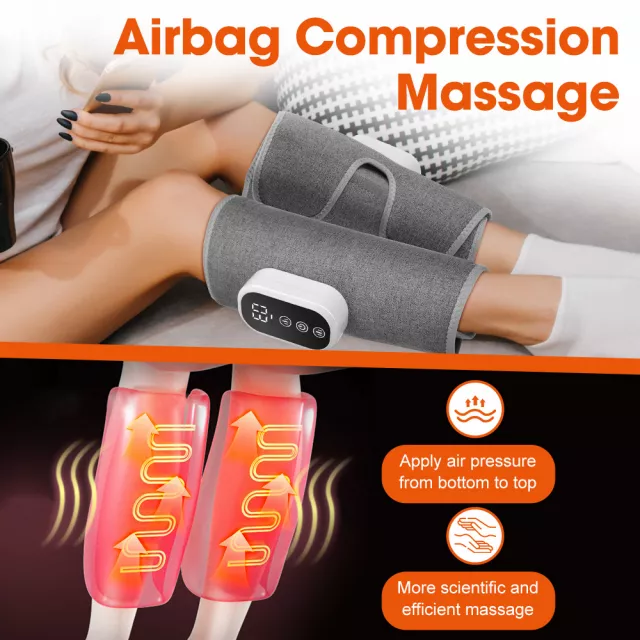
Instead of targeting a single point, full-coverage compression wraps your lower leg with cushioned cuffs. The sensation is a gentle squeeze-and-release that moves in cycles, similar to a slow “hug” around the calf.
- Wrap-around cuffs encircle the lower leg to apply gentle, rhythmic squeeze-and-release pressure.
- Compression cycles can help reduce the “stiff and heavy” sensation that builds up after inactivity or long days.
- Even coverage around the calf can feel more consistent than spot-only vibration tools.
- Designed for comfort-focused recovery rather than deep tissue kneading.
If your legs tend to feel puffy after travel or prolonged sitting, it can also be helpful to understand common causes of swelling and when it may signal something that needs medical attention. The Mayo Clinic overview of edema is a practical reference for recognizing patterns and red flags: Mayo Clinic — Edema (swelling).
Key features to look for in an electric calf and leg massager
Not all compression massagers feel the same. Small design details—like chamber coverage, closure security, and control simplicity—make a big difference in comfort and consistency from session to session.
- Full-coverage chambers: Wider coverage can feel more uniform across the calf.
- Adjustable intensity: Useful for sensitive legs, post-workout recovery, or a firmer squeeze.
- Multiple modes or programs: Helps vary the pattern (steady vs. pulsing) to match comfort.
- Easy-to-use controller: Clear buttons make it simpler to switch modes while seated.
- Fit range and closures: Secure fastening helps prevent slipping and keeps pressure even.
| Feature | Why it matters | Tip for choosing |
|---|---|---|
| Adjustable intensity | Controls how firm the compression feels | Start low for the first few sessions and increase gradually |
| Multiple massage modes | Changes rhythm and pressure sequence | Rotate modes to avoid the same pattern every time |
| Full-coverage wrap design | More consistent squeeze around the calf | Check that the cuff sits snug without pinching behind the knee |
| Simple controls | Less interruption during sessions | Look for clearly labeled mode/intensity buttons |
| Secure fastening | Helps maintain even pressure and positioning | Fasten so it’s snug, but not tight enough to cause numbness |
For a deeper explanation of how compression is used in wellness and clinical settings, the Cleveland Clinic provides an accessible overview: Cleveland Clinic — Compression Therapy.
Who benefits most from calf and leg compression massage
Calf compression can be a simple way to wind down, especially if your routine includes long periods in one position or repeated lower-body loading.
- Desk workers: Helps counter the tight, stagnant feeling from long periods of sitting.
- Standing-all-day roles: Can feel relieving after long shifts on hard floors.
- Runners and gym-goers: Supports recovery days by easing perceived calf tightness.
- Travelers: Can be a comfort tool after flights or long car rides (use once settled, not while driving).
- Anyone who wants a relaxing end-of-day routine for lower legs.
How to use a calf and leg massager safely and comfortably
Air compression should feel supportive—not painful. A few setup habits can make the experience more comfortable while helping the pressure feel even around the calf.
- Sit or recline with legs supported; keep knees slightly bent for comfort.
- Fasten the cuffs evenly so the wrap is snug but not overly tight.
- Begin with the lowest intensity for 5–10 minutes to gauge comfort.
- Increase intensity gradually and stop if there is pain, tingling, numbness, or unusual swelling.
- Hydrate and take a short walk afterward to reinforce the “lighter legs” feeling.
When to avoid use or check with a clinician first
Compression tools are designed for comfort and routine recovery, but there are situations where it’s smart to pause and get medical guidance.
If you’re unsure what DVT symptoms can look like, the NHS summary is a solid starting point for awareness: NHS — Deep vein thrombosis (DVT).
Care, storage, and longevity tips
Product spotlight: Electric Calf and Leg Massager – Full Coverage Air Pressure Massage
If you want a simple, at-home way to bring rhythmic compression to tired calves, the Electric Calf and Leg Massager – Full Coverage Air Pressure Massage is built for full-coverage air compression and easy relaxation after workouts, long days, or travel. Many people get the best results by using it consistently a few times per week—keeping sessions comfortable and gradually increasing intensity as their legs get used to the squeeze.
Also in stock
For a practical add-on that pairs well with travel or everyday wear, the Men’s Genuine Leather Cowboy Belt with Copper Buckle for Jeans is an in-stock option that’s easy to pack and built for daily outfits.
FAQ
How long should a calf and leg compression massage session be?
A common comfort range is 10–20 minutes. Start with 5–10 minutes on low intensity, then increase time or intensity gradually if it feels good.
Can air-pressure leg massage help after running or leg day?
It can support a recovery routine by easing the sensation of tight calves and promoting relaxation. Use a comfortable intensity and avoid painful pressure on especially sore areas.
Is it normal for the compression to feel strong at first?
Yes—especially if the cuffs are fastened too tightly or the intensity is set high. Rewrap for even coverage, loosen slightly, and restart at the lowest setting.













Leave a comment