Winter Plush Non-Slip Seat Cushion Cover for Warm Drives
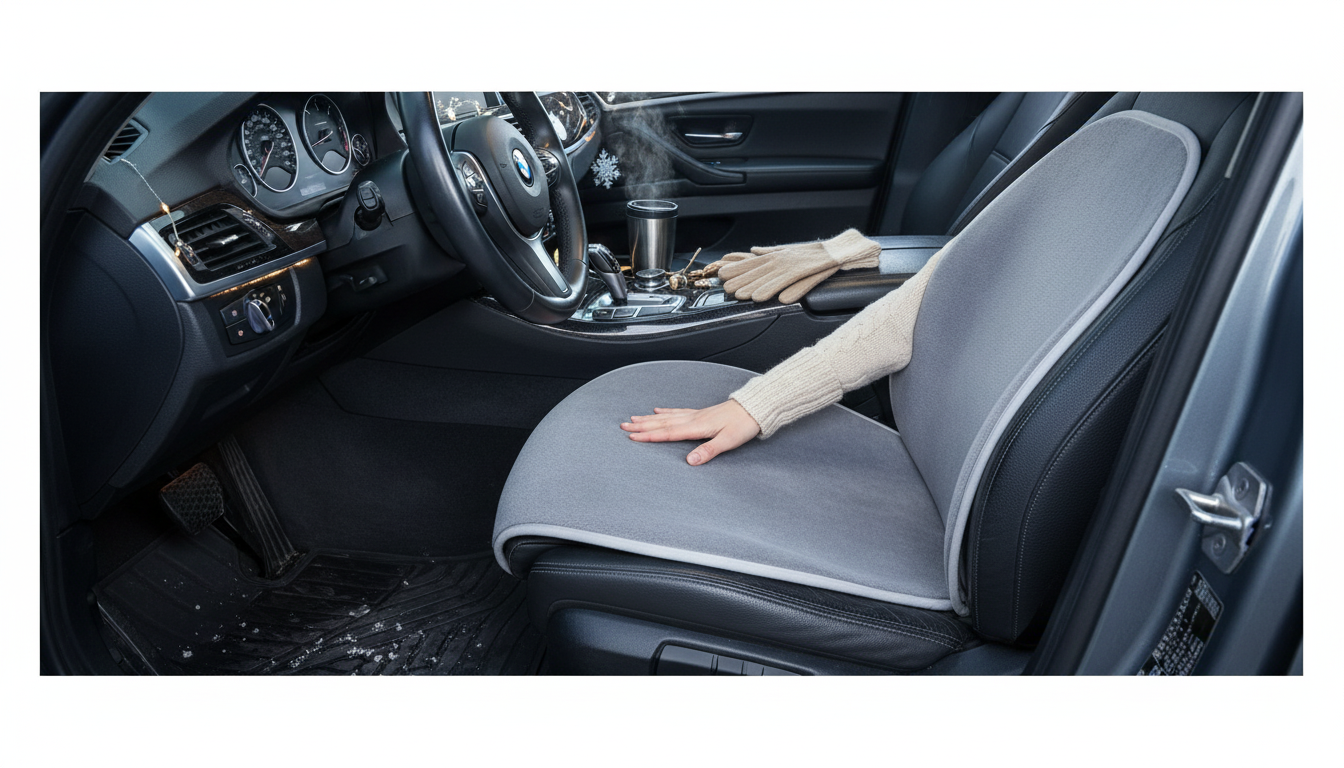
Winter Plush Non-Slip Car Seat Cushion Cover: Warmth, Grip, and Everyday Comfort
Cold seats can make winter commutes uncomfortable and distract from driving. A plush, non-slip seat cushion cover adds insulation and a softer surface while helping reduce sliding during turns, braking, and getting in or out of the car. This guide breaks down what matters for comfort, fit, and safe use, plus simple care tips to keep the cover looking and feeling good all season.
What a Plush Non-Slip Seat Cushion Cover Changes in Winter
When temperatures drop, the seat base is often the first thing you feel—especially on leather or faux leather. A winter plush cushion cover changes the day-to-day driving experience in a few practical ways:
- Adds a warmer contact surface than leather or cold fabric seats, especially on early morning starts.
- Helps reduce shifting on slick upholstery by combining a grippy underside with a stable shape.
- Can reduce wear on the original seat base from friction, keys, rivets, and daily entry/exit.
- Improves perceived cushioning on firmer seats for longer drives without changing the seat itself.
Comfort and Safety Priorities to Check Before Installing
A seat cushion cover is a comfort upgrade, but it still affects how you sit, reach, and move—so a quick safety-first review is worth it.
- Non-slip backing: Look for a base that grips without leaving residue and stays stable during braking and cornering.
- Thickness and softness: Plush should feel cozy without raising the seating position so much that headroom or mirror alignment is affected.
- Breathability: Overly heat-trapping materials can feel clammy on longer drives; balance warmth with airflow.
- Pedal and posture awareness: Confirm the cover does not change leg angle or cause the driver to sit too high or too far forward.
- Side airbag compatibility: Avoid obstructing seat-mounted airbags; cushion-style covers typically sit on the seat base, but verify nothing interferes with airbag seams or deployment zones.
For general airbag safety background, these sources are helpful: NHTSA — Air Bags and IIHS — Airbags.
Fit and Compatibility: Getting a Secure, No-Bunching Setup
A cover that “sort of fits” often ends up wrinkling, creeping forward, or tugging at belt hardware. A few minutes of checking measurements and seat shape can prevent most of that.
- Measure the seat base: Get width (side-to-side) and depth (front-to-back) to reduce overhang or curling.
- Check seat shape: Sporty bolsters, bucket seats, and contoured bases may need a more flexible cushion cover to lay flat.
- Look for anchoring features: Straps, hooks, or textured backing help prevent creeping over time.
- Confirm belt buckle access: The cover should not cover buckle receivers or make them hard to click.
- Verify compatibility with seat heaters: Use only as allowed by the vehicle and cover materials; avoid anything that could trap heat excessively.
Quick Fit Check Before Purchase
| Check | What to look for | Why it matters |
|---|---|---|
| Seat base width/depth | Cover matches seat footprint with minimal overhang | Prevents bunching and sliding |
| Bolsters/contours | Material flexes and lays flat | Improves comfort and reduces wear points |
| Buckle access | Buckle receivers remain clear | Maintains normal seat belt use |
| Airbag zones | No fabric blocking side airbag seams | Avoids interference with airbag deployment |
| Driving position | No significant change in hip height or reach | Maintains safe posture and control |
Highlights of the Winter Plush Non-Slip Car Seat Cushion Cover
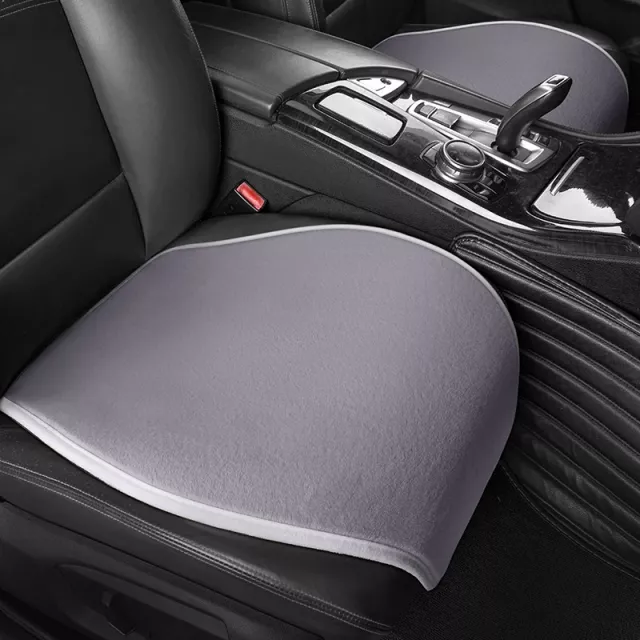
If the goal is a warmer seat feel with fewer mid-drive adjustments, a cushion-style winter cover can be a simple seasonal swap. The Winter Plush Non-Slip Car Seat Cushion Cover is designed with daily winter driving in mind:
- Plush winter surface designed to feel warmer and softer than bare upholstery during cold weather.
- Non-slip construction intended to stay put for daily driving, commuting, and frequent entry/exit.
- Cushion-style coverage focused on the seat base for simple installation and quick seasonal swaps.
- Useful as a protective layer for high-use seats in shared vehicles, rideshare driving, or family cars.
Installation Tips for a More Secure Hold
Even a grippy backing performs better when the seat surface is clean and the cover is positioned with intention. A stable setup also helps the cover wear evenly.
- Start with a clean seat: Wipe off dust and debris so the non-slip backing can grip properly.
- Center the cover: Align the front edge evenly with the seat base to reduce wrinkling.
- Press and smooth: Apply firm pressure across the surface to seat the backing against the upholstery.
- Re-check after the first drive: Small adjustments after a day of use help prevent long-term shifting.
- Confirm full range of motion: Ensure seat adjustments (forward/back, tilt) still operate normally and nothing catches.
Care and Cleaning for Plush Materials
Who This Cushion Cover Is Best For
Common Mistakes to Avoid
More In-Stock Finds
- Men’s Genuine Leather Cowboy Belt with Copper Buckle for Jeans
- Large Dog Slicker Brush & Comb Set for Doodles, Poodles and Long Coats
FAQ
Will a plush seat cushion cover interfere with airbags?
It shouldn’t as long as it stays on the seat base and does not cover or press against seat-mounted airbag seams or deployment areas. Check your vehicle manual and confirm the cushion doesn’t shift into any airbag panel zones over time.
Does a non-slip seat cushion cover damage leather seats?
Most issues come from trapped grit or moisture, not the cover itself. Keep the seat clean, remove the cushion periodically to wipe underneath, and avoid installing it when the seat or cover is damp.
How do you keep a seat cushion cover from sliding around?
Clean the seat first, then center and smooth the cushion firmly so the backing makes full contact. If your cover includes straps or anchors, use them, and re-adjust after the first drive to lock in the position.














Leave a comment