Luxury Living Room Styling: Designer Checklist & Tips
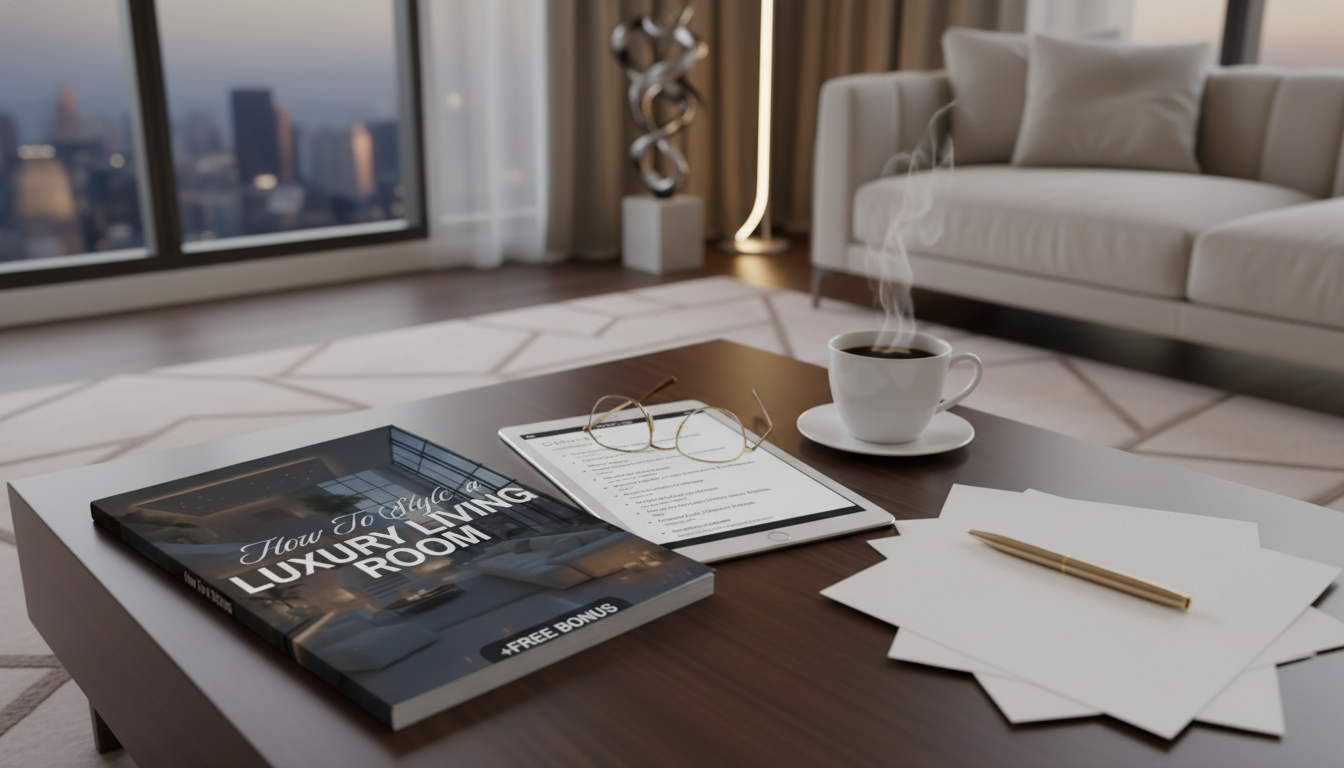
How to Style a Luxury Living Room: A Polished, High-End Look Without Guesswork
A luxury living room feels intentional—balanced proportions, layered textures, refined lighting, and curated decor that reads calm rather than crowded. The most elegant spaces follow a repeatable styling formula: start with scale and layout, build a cohesive palette, then add lighting, textiles, art, and finishing details that elevate the room. Use the steps below as a practical roadmap to create a living room that looks collected, comfortable, and undeniably high-end. For more guidance, see [PDF] Advances in Business, Hospitality, and Tourism Research: Volume 1.
Start with a Clear Style Direction
Luxury isn’t a single look—it’s the discipline of making consistent choices. Before buying anything new, pick a direction that guides every decision, from sofa silhouette to frame finishes. For further reading, see The Interior Design: Reference + Specification Book – Academia.edu.
- Choose one primary style lane (modern classic, quiet luxury, contemporary glam, European traditional) and one secondary influence (organic texture, vintage accents, sculptural minimalism).
- Define three “non-negotiables” for the room (for example: curved sofa, warm neutrals, brass lighting).
- Collect 8–12 reference images and identify what repeats: shapes, finishes, contrast level, and negative space.
- Decide the mood: serene and tonal, bold and contrast-rich, or warm and layered.
Luxury Living Room Style Formula (Quick Decisions)
| Element | Elevated Default | High-End Upgrade |
|---|---|---|
| Palette | Warm neutrals + black accents | Tonal layering (5–7 shades) + one jewelry-tone accent |
| Metals | One dominant finish | Two finishes with a clear hierarchy (70/30) |
| Textures | Linen + wood | Bouclé/velvet + stone + lacquer + handwoven textile |
| Lighting | One ceiling fixture | Ceiling + two table lamps + one floor lamp + art/picture lighting |
| Styling | A few decor objects | Grouped vignettes with variation in height, sheen, and scale |
Plan the Layout Like a Designer
Even expensive furniture can look “off” if the room is underscaled, cramped, or floating. A designer layout reads effortless because it’s built on a few non-negotiable spatial rules.
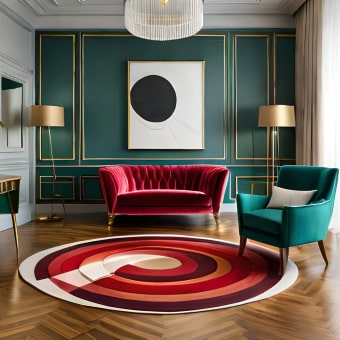
- Anchor the room with a properly scaled rug; ideally, front legs of all seating sit on the rug to unify the conversation zone.
- Create clear pathways (about 30–36 inches where possible) so the room feels expansive and easy to move through.
- Balance visual weight: pair a substantial sofa with either two lighter chairs or a sectional balanced by airy side tables.
- Use symmetry selectively: matching lamps for polish; asymmetry for a more collected, editorial look.
- Keep the focal point intentional—fireplace, large art, or a feature wall—then align seating to support it.
If the room still feels “busy,” don’t add more decor. Remove one small chair, swap a bulky side table for a slimmer profile, or trade multiple small frames for one oversized piece that gives the eye a place to rest.
Build a Cohesive Color Palette and Materials Story
A high-end space usually has fewer surprises and more repetition. The secret is a controlled palette paired with intentional material echoes across the room.
- Choose a base (walls and large upholstery) in a soft, timeless neutral; layer mid-tones through drapery, rugs, and occasional chairs.
- Limit bold color to one controlled accent (pillow stripe, single armchair, art) to avoid a scattered look.
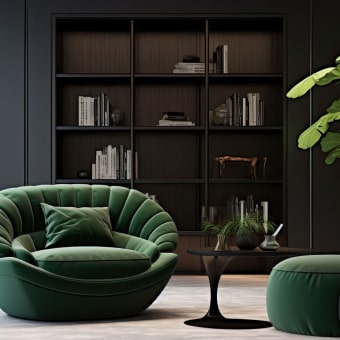
- Repeat materials at least twice across the room (e.g., brass in lighting + frames; walnut in coffee table + shelving).
- Mix finishes for depth: matte + satin + high gloss; smooth + nubby; warm wood + cool stone.
- Use black thoughtfully (thin frames, hardware, lamp stems) to sharpen the room and add definition.
For extra polish, keep undertones consistent. If your neutrals lean warm (cream, camel, warm gray), carry that warmth into wood stains and metals (antique brass, bronze). If they lean cool (taupe, stone, crisp white), keep metals brighter and woods lighter.
Upgrade the Lighting: The Fastest Luxury Multiplier
Lighting is where many living rooms miss the mark—one overhead fixture can make even beautiful furniture look flat. Luxury reads as layered, soft, and deliberately placed.
- Layer lighting across heights: overhead for ambience, table lamps for glow, floor lamps for corners, and directional light for art or shelving.
- Select statement fixtures with strong silhouettes—sculptural chandeliers, alabaster, or oversized pendants—scaled to the room’s footprint.
- Warm bulbs and dimmers are essential; luxury reads as controlled, flattering light, not harsh brightness.
- Use pairs where appropriate: matching table lamps instantly create hotel-level polish.
- Add reflective surfaces (mirror, lacquer, metallics) to bounce light and enrich the atmosphere.
Need visual guidance? Browse lighting and living room inspiration at Architectural Digest and Elle Decor to see how designers balance glow, contrast, and negative space.
Layer Textiles for Comfort and Depth
Curate Art, Objects, and Shelves Like a Gallery
Finishing Touches That Make the Room Feel Expensive
A Ready-to-Use Checklist for Styling Your Space
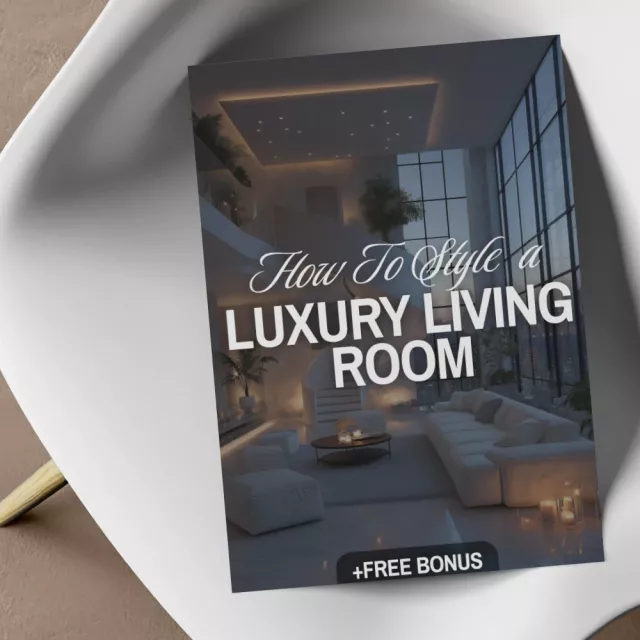
For a streamlined roadmap, see: How to Style a Luxury Living Room – Digital Guide, eBook & Checklist for Elegant Interiors, Luxury Home Decor, High-End Design Inspiration.
If you’re refreshing more than one space and want the same polished look throughout your home, you may also like: Twin Size Upholstered Bed with LED Lights and Crown Headboard as a bold, upholstered statement piece that carries the “hotel-suite” feel beyond the living room.
FAQ
What makes a living room look luxurious?
Strong scale and proportion, layered lighting, a cohesive palette, and mixed textures instantly elevate a room. The finishing touch is edited styling—negative space that lets each piece feel intentional.
How many colors should a luxury living room have?
A tight palette typically looks most high-end: 3–5 core tones plus one controlled accent. Tonal layering within a single color family (multiple creams, beiges, and warm grays) reads especially refined.
Where should money be spent first for a high-end look?
Start with the items that dominate the room visually: a properly sized rug, quality sofa upholstery, statement lighting, and one large art piece. Then refine with drapery, pillows, and a few substantial objects.










Leave a comment