Touch Screen Countertop Soft Serve Maker (Single Flavor)
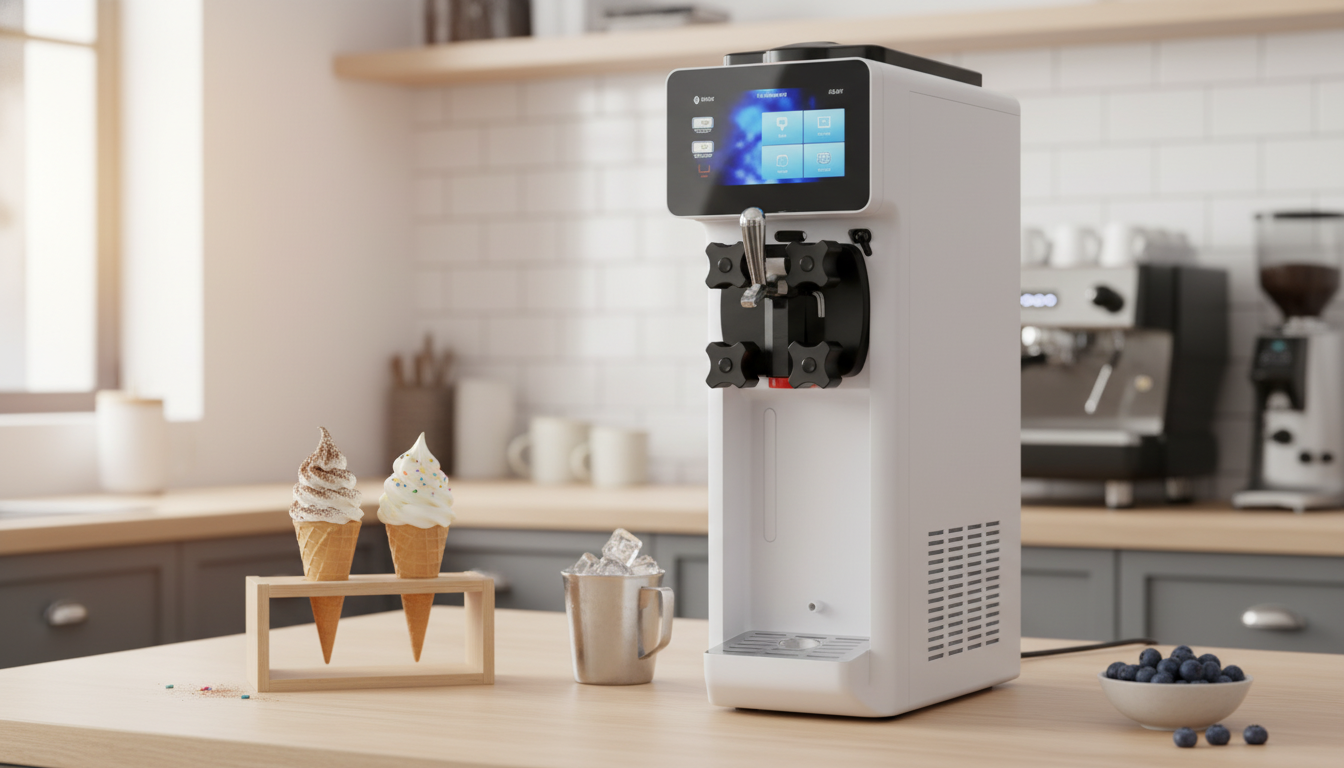
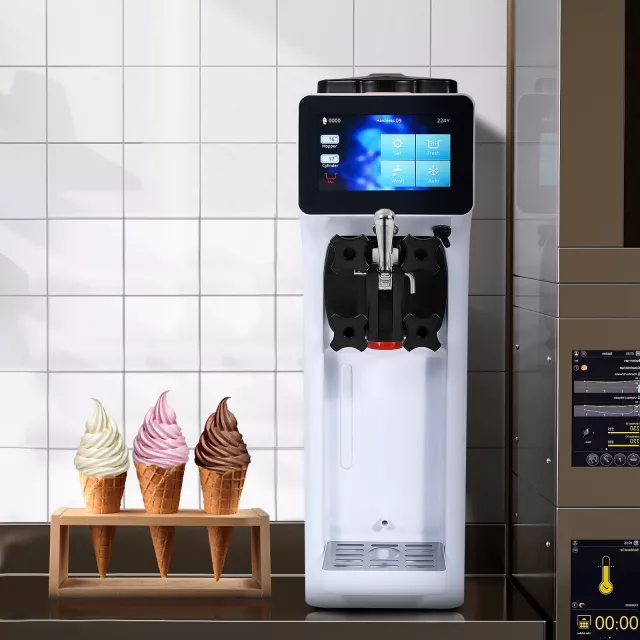
Single Flavor Countertop Soft Serve Ice Cream Maker with Touch Screen
A countertop soft serve machine with a touch screen is built for fast, repeatable servings without a steep learning curve. Whether it’s set up for family parties, a café back bar, a concession counter, or a weekend pop-up, the right single-flavor format can deliver consistent swirls—provided the mix is prepped correctly and the machine is installed, vented, and cleaned on schedule.
What This Machine Is Designed to Do
A single-flavor countertop soft serve ice cream maker focuses on reliable output rather than juggling multiple bases. That design choice helps simplify daily operation and makes it easier to keep texture consistent.
- Serve one consistent soft-serve base at a time (single-flavor format) for dependable output and simpler operation.
- Fit on a counter in a kitchen, concession area, café back bar, or small service window—ideal when floor space is limited.
- Use a touch screen interface to streamline common tasks like starting a cycle, monitoring status, and adjusting settings (model-dependent).
- Support quick serving during rush periods when paired with proper mix prep and a regular cleaning routine.
Why a Touch Screen Matters in Daily Use
Touch controls can feel like a small upgrade until service gets busy. Clear menus, status indicators, and repeatable settings reduce “operator variability,” especially across different shifts.
- Faster training: on-screen prompts and clear modes can reduce guesswork for new operators.
- More consistent results: digital settings help repeat the same texture and serving behavior across shifts.
- Quicker checks: status indicators make it easier to confirm readiness before service.
- Cleaner workflow: fewer physical buttons can mean fewer crevices to wipe (still requires careful cleaning around seams).
Key Benefits of Single-Flavor Countertop Soft Serve
Single flavor doesn’t have to mean limited menus. The advantage is keeping the base dependable, then building variety with toppings, sauces, and dessert formats.
- Simple flavor management: one mix, one hopper/tank workflow, fewer changeovers.
- Lower complexity than multi-flavor machines: fewer components to manage and troubleshoot.
- Great for signature offerings: vanilla base with rotating toppings, float menus, affogato-style desserts, or seasonal sauces.
- Better focus on consistency: dialing in one recipe often yields better texture than constantly switching bases.
Performance and Texture: What Drives Great Soft Serve
Soft serve quality is mostly determined before anyone pulls a handle: mix formulation, starting temperature, airflow, and repeatable technique all matter. If you’re serving the public, keep food-safety practices aligned with recognized guidance like the FDA Food Code.
- Mix quality: follow mix manufacturer instructions (dairy vs. non-dairy bases behave differently).
- Pre-chilling: starting with a cold mix typically shortens time-to-serve and improves consistency. A simple fridge thermometer helps verify your cold storage is doing its job (see USDA guidance on refrigerator thermometers).
- Overrun expectations: countertop machines vary; aim for a smooth, stable swirl rather than maximum air.
- Ambient conditions: heat and frequent dispensing can affect firmness—plan for airflow and adequate clearance.
- Serving technique: consistent pull speed and cone/cup angle reduces drips and improves presentation.
Setup Checklist for Countertop Installation
A strong first setup prevents a lot of “mystery” texture issues later. Before your first real service window, treat setup like a short checklist rather than a one-time chore.
- Place on a stable, level counter with adequate ventilation clearance on all sides.
- Confirm electrical requirements and use a dedicated outlet when possible to avoid nuisance trips.
- Keep away from direct heat sources (ovens, grills, direct sun) to protect cooling performance.
- Do a first-use rinse and sanitize before adding mix; follow food-safe sanitizing guidance.
- Run a small test batch to confirm firmness and dispensing flow before a service window.
Cleaning and Maintenance Routine That Prevents Downtime
Most downtime is avoidable with consistent cleaning, seal inspections, and airflow maintenance. Build the routine into closing tasks so the machine is ready for the next day’s first pull.
- Daily: empty remaining mix as needed, rinse, wash, sanitize food-contact parts, and wipe exterior/touch screen with a damp cloth (avoid oversaturating).
- Inspect seals and O-rings: worn gaskets can cause leaks, poor texture, or inconsistent dispensing.
- Lubricate only where recommended: use only manufacturer-approved, food-safe lubricant.
- Keep intake/vents clear: dust buildup can reduce cooling efficiency and strain components.
- Maintain a log: record cleanings and any texture adjustments so results stay consistent across days.
At-a-Glance Product Details
Use this snapshot to compare needs like budget, placement, and purchasing readiness. For operational specs not listed on the product page, confirm with the seller before commercial use.
| Item | Details |
|---|---|
| Product | Single Flavor Countertop Soft Serve Ice Cream Maker with Touch Screen |
| Format | Single flavor, countertop |
| Controls | Touch screen |
| Price | $982.49 USD |
| Availability | In stock |
| SKU / MPN | SKU: 14:10 / MPN: 59095 |
Common Issues and Quick Troubleshooting
When texture drifts, it’s usually a temperature, ventilation, or assembly issue rather than a “bad machine.” Use these quick checks before you change recipes or settings.
Who This Is a Good Fit For
Buying Considerations Before Checkout
In-Stock Items
- Shop the Single Flavor Countertop Soft Serve Ice Cream Maker with Touch Screen
- Men’s Genuine Leather Cowboy Belt with Copper Buckle for Jeans
FAQ
How long does it take to get the first serving of soft serve?
It depends on starting mix temperature, ambient heat, and the machine’s cooling/churning cycle. Using pre-chilled mix usually shortens time-to-serve; allow extra time for initial startup and stabilization.
Can a single-flavor machine still offer a varied menu?
Yes—keep one reliable base (like vanilla or a neutral dairy/non-dairy base) and rotate toppings, sauces, mix-ins added after dispensing, floats, or affogato-style drinks.
What’s the safest way to clean the touch screen area?
Use a lightly damp microfiber cloth and avoid spraying liquid directly onto the screen. Keep moisture away from seams and openings, and follow the manufacturer’s guidance for approved cleaners.















Leave a comment