Infrared Knee Massager: Heat & Red Light Comfort Guide
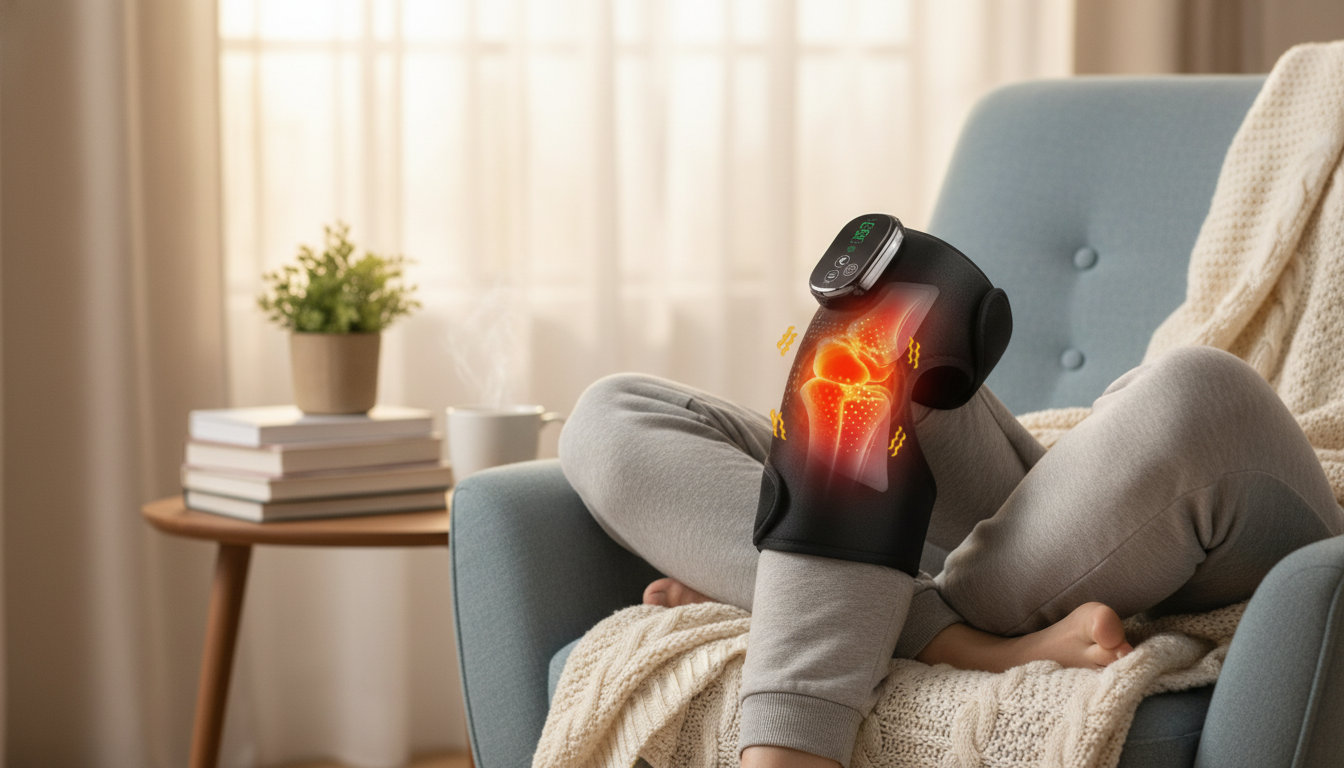
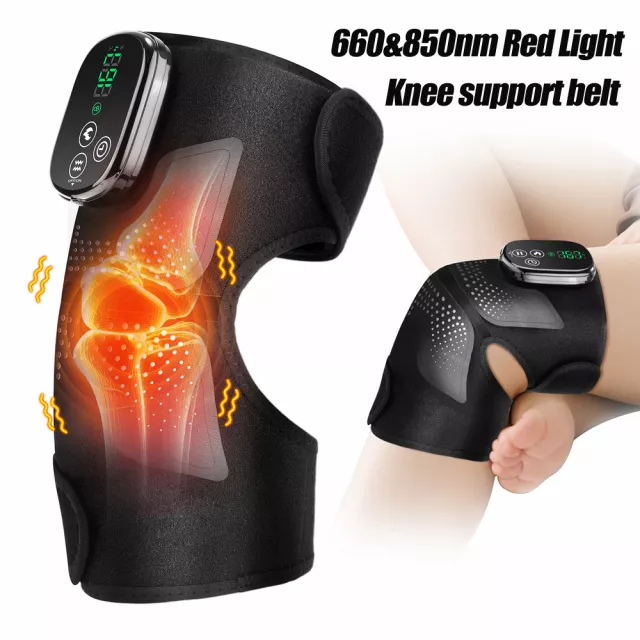
Electric Infrared Heating Knee Massager with Red Light Therapy
A knee massager that combines warming heat, gentle compression-style support, and red light therapy can make downtime feel more restorative—especially after long days on your feet, workouts, or stiff mornings. This guide explains how these features work together, what to look for in daily use, and how to use the device comfortably and safely.
What this knee massager is designed to do
An electric knee massager is built to deliver steady, targeted comfort right where the joint often feels most “worked.” Instead of juggling a reheated gel pack and a hand massage, it wraps the knee and provides a consistent session you can repeat whenever you need a reset.
- Delivers targeted warmth around the knee area to help ease tight, tired sensations
- Pairs heat with massage-style stimulation to support relaxation and comfort
- Adds red light therapy as a non-invasive option some people use for recovery routines
- Provides a convenient at-home alternative to warming wraps and manual massage
How heat, infrared, and red light therapy differ
These features are often grouped together, but they’re not the same thing. Knowing the difference helps you choose settings that match your comfort level and routine.
- Heat therapy focuses on warming tissues and is commonly used to relax stiffness and improve comfort before movement. For general guidance on when heat vs. cold can be appropriate, see Mayo Clinic: Heat therapy and cold therapy.
- Infrared heating is a way of generating heat that many people experience as more penetrating than surface-only warmth, depending on the device’s materials and how it transfers heat to the skin.
- Red light therapy (photobiomodulation) uses specific wavelengths of red/near-infrared light. It typically doesn’t feel hot by itself, which is why it’s often paired with heat for an overall soothing session.
- Personal comfort varies: some prefer low warmth for longer sessions, while others like a shorter session with higher warmth—always staying within safe, comfortable limits.
Quick comparison of common comfort features
| Feature | What it feels like | Best time to use | Notes |
|---|---|---|---|
| Warming heat | Cozy, relaxing warmth around the knee | Before activity or at the end of the day | Avoid high heat if skin is sensitive or numb |
| Infrared heating | Often perceived as deeper, steady warmth | Short recovery breaks or wind-down sessions | Warmth level varies by device and setting |
| Red light therapy | Typically no strong sensation | As part of a consistent routine | Use on clean, dry skin; follow session guidance |
| Massage/vibration (if included) | Gentle pulsing or vibration-style stimulation | After sitting/standing for long periods | Start low and increase gradually to preference |
Who it can be a good fit for
A heat-and-light knee wrap is usually chosen for everyday comfort—less about “power” and more about how easy it is to use consistently.
- People who feel knee tightness after walking, commuting, or standing for long periods
- Active users who want a warm-up or cool-down comfort tool at home
- Anyone who dislikes messy creams or frequently reheating gel packs
- Gift shoppers looking for a practical wellness device that’s easy to use
Heat and cold can both be useful depending on the situation; for arthritis-oriented comfort tips, the Arthritis Foundation’s overview of heat and cold therapy is a helpful reference.
Comfort and usability details that matter
The best device is the one that feels good enough to use regularly. Small design details can make the difference between a massager that sits in a drawer and one that becomes part of your wind-down routine.
- Fit and fastening: A secure wrap helps keep heat and light positioned around the joint, especially if you shift your leg while seated.
- Controls and modes: Intuitive buttons and clear settings make it easier to start low and adjust gradually without interrupting your session.
- Session timing: An auto-off timer supports relaxation without worrying about losing track of time.
- Portability: Lightweight designs and simple charging/power options make consistent use more realistic—at home, at a desk, or while traveling.
- Noise level: Quieter vibration/massage is better for evening use or shared spaces.
How to use it for a simple recovery routine
Comfort tools work best when sessions are calm and repeatable. Aim for a routine that feels easy to maintain rather than pushing the highest setting.
Safety notes and when to check with a clinician
Product options (in stock)
- Electric Infrared Heating Knee Massager with Red Light Therapy ($43.82): a focused, at-home comfort device combining warming heat and red light therapy for knee-area relaxation. Best for daily wind-down sessions and post-walk comfort.
- Men’s Genuine Leather Cowboy Belt with Copper Buckle for Jeans ($72.51): a classic everyday accessory option for gifting.
- Large Dog Slicker Brush & Comb Set for Doodles, Poodles and Long Coats ($24.51): a practical grooming set for pet households.
FAQ
How long should a knee massager with heat and red light be used per session?
Start with a short session on low heat to see how your skin and knee area respond, then adjust gradually within the device’s recommended limits. Follow the manufacturer’s instructions and stop the session if you feel discomfort or notice unusual redness.
Can heat and red light therapy be used every day?
Daily use is common for comfort routines when the skin tolerates it well, especially with moderate settings. If you have a medical condition, reduced sensation, or ongoing knee symptoms, check with a clinician to tailor frequency and intensity.
Is red light therapy safe around the knee?
Red light therapy is generally considered non-invasive when used as directed on intact skin. Avoid shining light into the eyes, follow the device’s guidance, and ask a clinician for extra caution if you’re pregnant, photosensitive, or managing a specific medical concern.













Leave a comment