All-Season Luxury Cat Nest Bed for Cozy, Secure Sleep
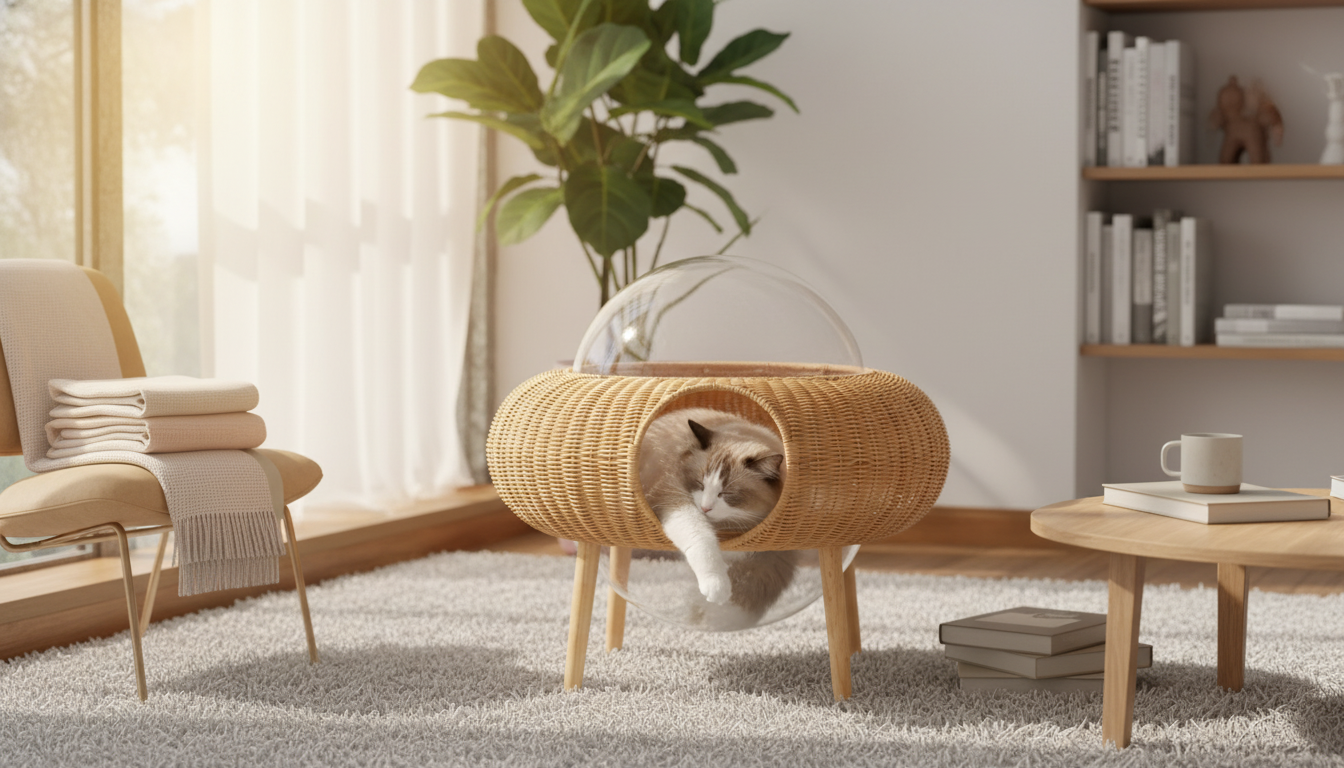
All Seasons Luxury Cat Nest Bed: A Cozy Retreat for Year-Round Comfort
Cats gravitate toward warm, enclosed, secure spaces—especially when household temperatures shift between daytime sun, nighttime chill, and seasonal changes. A nest-style bed can support deeper rest, reduce drafts, and give cats a predictable “safe zone” that fits naturally into daily routines. For more guidance, see What kind of bed should I get for my dog with arthritis?.
When a cat has one reliable place to settle, it often shows up as calmer behavior, fewer “random” naps in inconvenient spots, and a more consistent daily rhythm. Comfort isn’t just softness—it’s also security, warmth control, and placement that works with how cats naturally rest and recharge. For further reading, see Best Dog Beds of 2026: Expert Tested – Sleep Foundation.
Why cats love nest-style beds
- Creates a sheltered, den-like shape that supports a cat’s preference for enclosed resting spots.
- Helps block airflow and reduces the “startle factor” from foot traffic, noise, and other pets.
- Supports curled sleeping positions that conserve warmth and promote relaxation.
- Provides a consistent resting location, which can help multi-cat homes reduce competition for favorite spots.
Many cats sleep best when they can tuck their paws, curl their spine, and rest their head against something stable. A nest bed’s raised sides act like a gentle boundary—enough to feel protected, without fully closing them in the way some cats find uncomfortable.
What makes a bed truly comfortable in every season
- Breathable interior surfaces to prevent overheating during warmer months.
- Insulating structure to retain warmth when temperatures drop.
- Raised sides or hooded contours that reduce drafts and create a sense of security.
- Cushioning that maintains loft over time to protect joints and pressure points.
- Non-slip base for stable entry/exit, especially for senior cats or slippery floors.
Year-round comfort comes from balance: cozy without being stifling, structured without feeling rigid, and supportive without flattening quickly. For general cat wellness guidance (including creating a supportive home routine), resources like the American Veterinary Medical Association (AVMA) and International Cat Care are helpful references.
All Seasons Luxury Cat Nest Bed: design highlights
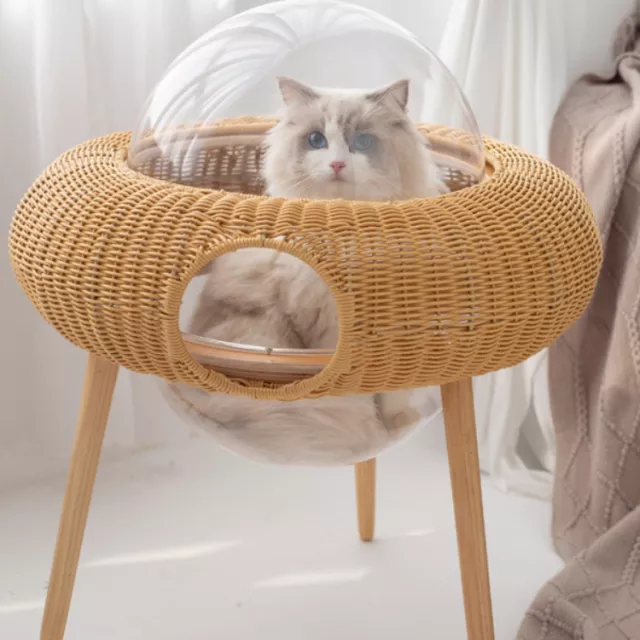
- Nest-like silhouette designed for cats that prefer curling up and feeling “hugged” by their bed.
- All-season concept intended to stay comfortable across temperature swings in typical homes.
- Luxurious, home-decor-friendly look suitable for living rooms, bedrooms, and quiet corners.
- A dedicated resting space that can help protect furniture from shedding and claw kneading in favorite nap zones.
- In-stock availability for timely setup of a consistent sleep spot.
If your cat rotates between the couch, a laundry pile, and your pillow depending on the time of day, a nest bed can become the “default” option—especially once it picks up a familiar scent. Explore the All Seasons Luxury Cat Nest Bed to set up a cozy, dependable retreat that fits naturally into your home’s temperature changes.
Quick comparison: nest bed vs. other common cat beds
Use the table to match your cat’s sleeping style and household conditions to the right bed shape. Cats that seek cover or lean on bolsters often prefer nest styles over flat mats.
| Bed style | Best for | Potential drawbacks | Typical placement |
|---|---|---|---|
| Nest bed (bolstered/hooded) | Cats that like enclosed, secure sleep; drafty rooms; multi-pet homes | May feel warm for cats that sprawl in hot weather | Quiet corner, under a side table, near (not against) a heat source |
| Flat mat | Cats that sprawl; warmer climates; easy transport | Less draft protection; offers minimal “security walls” | Sunny window area, top of a cat tree platform |
| Donut/bolster bed | Cats that curl up and lean; light draft protection | Less “cover” than a nest; can compress over time | Bedroom corner, living room nook |
| Cave/covered bed | Very shy cats; strong den preference | Some cats avoid fully enclosed openings; can trap heat | Low-traffic room, away from loud appliances |
Sizing and placement for better naps
Care and cleanliness without disrupting routine
Small maintenance habits matter more than occasional deep cleans. A quick de-fur and a light fluff keeps the “nest” feeling intact—especially for cats that like to knead before settling. For households managing heavy shedding, pairing a cozy bed with a regular grooming routine can keep the area fresher between cleanings; if you also care for long-coated pets, consider the Large Dog Slicker Brush & Comb Set for Doodles, Poodles and Long Coats as part of your at-home grooming toolkit.
When a nest bed is especially helpful
Pairing comfort with grooming and home harmony
FAQ
Will a nest bed make a cat feel too warm in summer?
It can for some cats, but most will self-regulate by changing positions—curling up when they want warmth and stretching out when they want to cool down. Place the bed away from direct sun or heat sources, and keep an alternative cooler spot available. If you ever notice panting or unusual restlessness, move the bed to a cooler area and monitor your cat.
How long does it take for a cat to start using a new bed?
Some cats use a new bed the first day, while others take several days or even a few weeks. Putting the bed where your cat already sleeps and adding a familiar-scent item nearby can help. Avoid forcing your cat into the bed; voluntary exploration tends to create faster, more consistent adoption.
Where should a cat bed be placed for the best sleep?
A low-traffic, draft-free location with a sense of protection (like a corner or with a wall behind the bed) tends to work best. Keep it away from vents, busy walkways, and loud appliances so your cat can relax without sudden airflow or noise disruptions.















Leave a comment