Straight-Cut Women’s Blazer: Office to Commute Styling
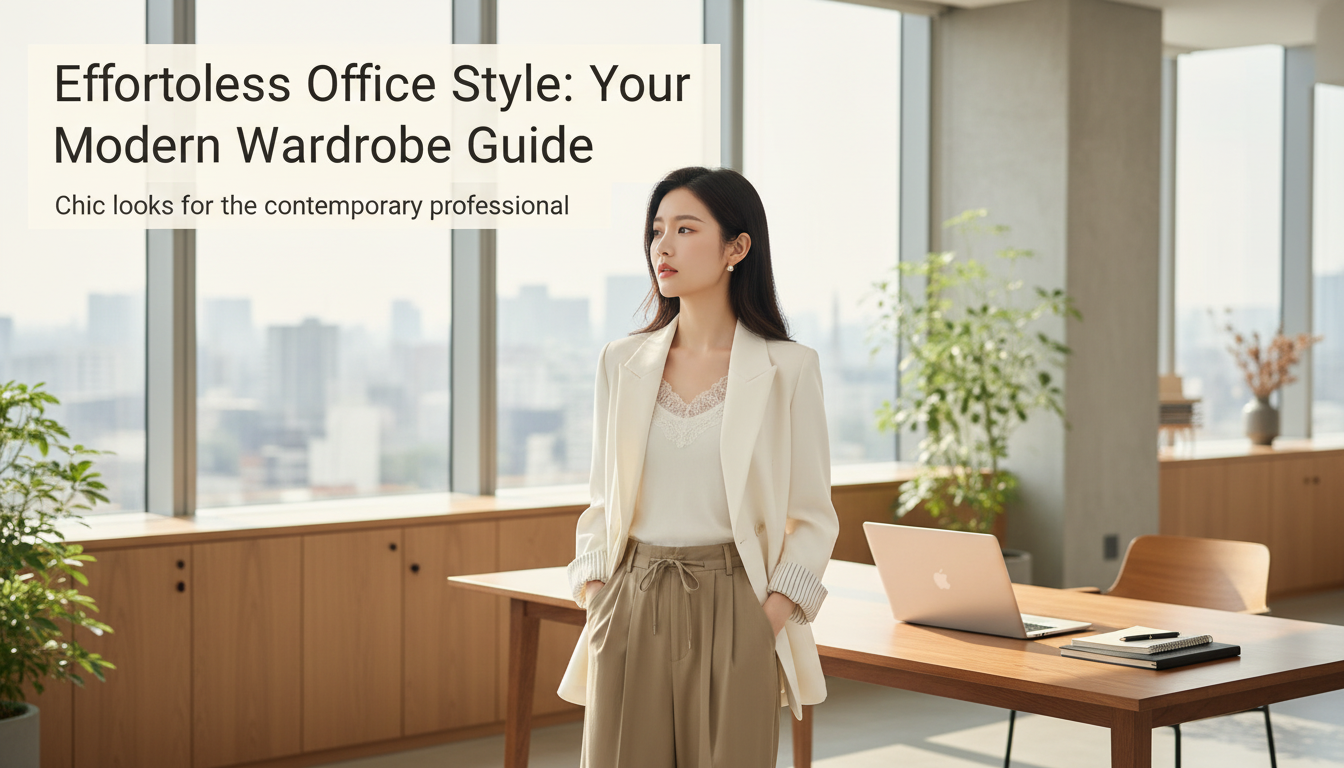
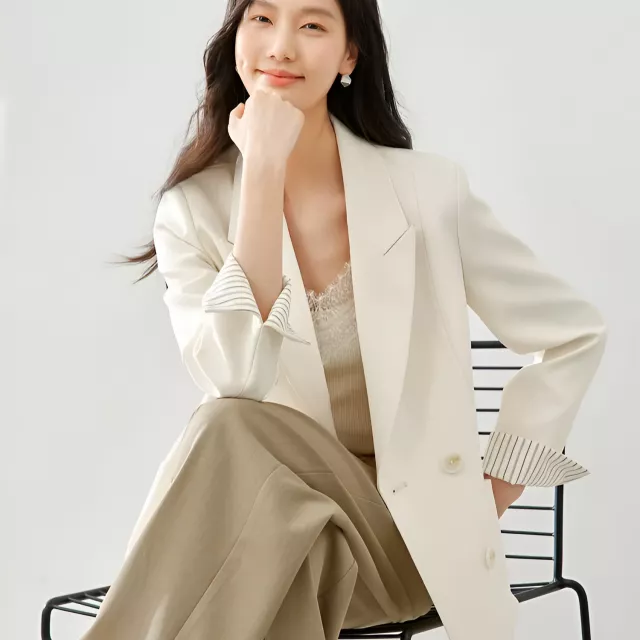
Women’s Straight-Cut Professional Blazer Jacket for Office and Commuter Wear
A straight-cut blazer is a dependable layer for days that start with a commute and end with meetings, errands, or dinner plans. The clean structure reads polished without looking overdone, and the right styling choices make it comfortable across changing temperatures, transit, and long hours at a desk.
What Makes a Straight-Cut Blazer Work for Workdays
A straight-cut blazer earns its place in a weekday rotation because it does several jobs at once—shaping an outfit, refining casual pieces, and providing an easy layer that doesn’t fight the rest of your look.
- A streamlined silhouette: The straight line creates a neat vertical effect over blouses, fine knits, and dresses, helping outfits look intentional even when they’re built from basics.
- Commuter-friendly movement: When shoulders sit correctly and sleeves allow reach, it feels practical for holding a rail, steering, carrying a laptop, or walking quickly between stops.
- A professional finish: It elevates tailored pants for formal days and also balances dark denim for casual-office settings without feeling sloppy.
- Layer-friendly shape: The clean cut sits smoothly over a thin sweater or lightweight cardigan alternative, reducing bulk under outerwear.
Quick Details at a Glance
- Designed for office-ready outfits and daily commuting
- Pairs well with trousers, pencil skirts, sheath dresses, and smart-casual jeans
- Best results come from choosing the right size for shoulder fit, then tailoring sleeve length if needed
At-a-Glance Comparison: Styling and Use Cases
| Situation | Best Pairings | Shoe Options | Finishing Touch |
|---|---|---|---|
| Client meeting | Tailored trousers + blouse | Pumps or sleek loafers | Minimal jewelry, structured tote |
| Commuter day | Knit top + ankle pants | Comfortable loafers or ankle boots | Light scarf, crossbody bag |
| Business casual | Dark jeans + button-down | Loafers or block heels | Belt, simple watch |
| After-hours | Slip dress or top + skirt | Heeled sandals or pointed flats | Bold lip or statement earrings |
Fit Guide: How to Choose the Right Size and Proportions
Fit is what makes a blazer look expensive and feel easy. Start with the areas that are hardest to alter, then fine-tune the rest.
- Shoulders first: The seam should sit at the shoulder edge without collapsing or creating sharp divots. If the shoulders are off, everything else looks off.
- Button test: When closed, the front should lie flat without pulling lines at the bust or waist. A smooth closure reads tailored, not tight.
- Sleeve comfort: Arms should move freely (typing, steering wheel, holding a bag) without tightness in the upper arm or tugging across the back.
- Length balance: A slightly longer hem complements slim trousers; a hip-length hem pairs well with skirts and wide-leg pants for a balanced shape.
- Between sizes: Choose the size that fits shoulders and bust. Sleeves and waist are easier to adjust than the shoulder structure.
Comfort for Commuting: Temperature, Wrinkles, and All-Day Wear
A blazer can look structured and still behave like a practical commuter layer when you plan for the realities of transit and long hours.
- Layering strategy: Use a breathable base—tee, blouse, or thin knit—so you can handle warm trains and cooler office A/C without feeling stuck.
- Bag-friendly structure: Straight cuts generally sit neatly under backpack straps and over a crossbody without bunching at the sides.
- Wrinkle awareness: Hang it after wear and use a garment steamer for a quick refresh, especially around elbows and the back hem.
- Desk-to-transit ease: Keep it unbuttoned for airflow while commuting; button it for presentations, interviews, or more formal moments.
If fabric safety and standards matter in your wardrobe planning, look for clear material labeling and credible certifications; for example, OEKO-TEX® STANDARD 100 outlines testing criteria for harmful substances in textiles.
Outfit Formulas That Always Look Polished
When mornings are tight, repeatable formulas save time while keeping your look consistent and professional.
- Monochrome column: Match top and trousers under the blazer to create a longer, cleaner line. Add one contrasting accessory (bag or shoes) for definition.
- Soft-meets-structured: Pair a satin blouse or fine knit with tailored pants. This keeps the blazer sharp while the underlayer adds comfort and movement.
- Skirt pairing: Tuck a fitted top into a pencil skirt and aim for a blazer hem that ends at or slightly above the hip for a tidy proportion.
- Dress upgrade: Add the blazer over a simple sheath or midi dress to introduce instant structure—ideal for meetings that pop up on short notice.
- Smart casual: Dark denim, a crisp shirt, and loafers. Keep accessories refined (simple jewelry, structured bag) to maintain a professional feel.
Care and Maintenance for a Longer-Lasting Blazer
When sharing or relying on reviews, sponsorships, or affiliate claims while shopping, it helps to know what transparent advertising looks like; the FTC Guides Concerning the Use of Endorsements and Testimonials in Advertising explain disclosure expectations.
Featured Options
- Women’s Straight-Cut Professional Blazer Jacket for Office and Commuter Wear: a structured layer designed to transition from commute to meetings with a clean, versatile silhouette.
- Men’s Genuine Leather Cowboy Belt with Copper Buckle for Jeans: an easy way to sharpen business-casual looks with dark denim or high-waisted trousers when you want a defined waistline and a more styled finish.
FAQ
Should a professional blazer be worn buttoned or unbuttoned?
Unbuttoned looks more relaxed and can feel better during commuting or desk work. Buttoned looks more formal for meetings—if you button it, the front should lie flat without pulling.
How should a blazer fit in the shoulders?
The shoulder seam should align with the shoulder edge. If it overhangs, it can look oversized; if it’s too tight, it restricts movement and creates creases across the upper back.
What’s the easiest way to style a blazer for business casual?
Pair it with dark jeans or ankle pants, a crisp shirt or fine knit, and loafers. Keep accessories minimal and structured for a professional finish.











Leave a comment