Silicone Baby Bib: Waterproof, Adjustable Neck, Cute Cartoon
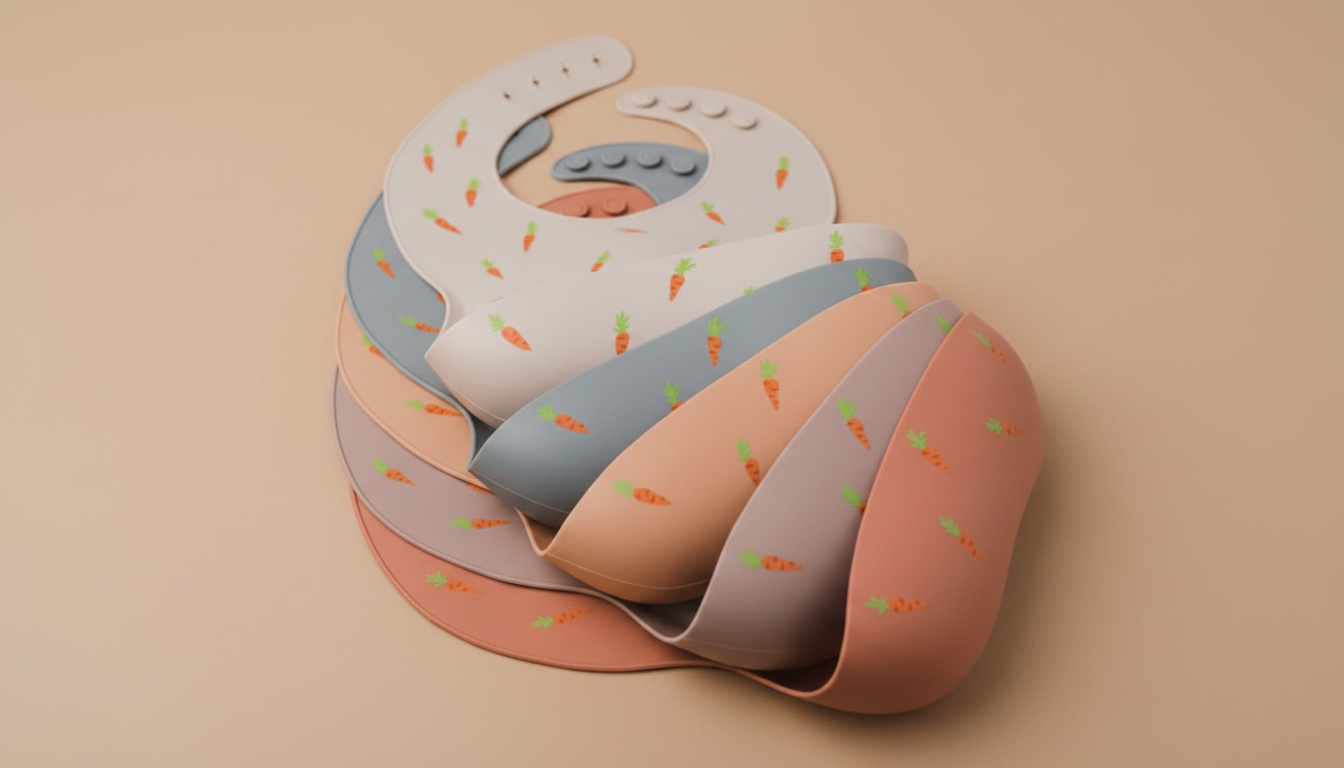
Waterproof Silicone Baby Bib with Adjustable Neck and Cartoon Design
Messy meals are part of learning to eat. A waterproof silicone bib with an adjustable neck and playful cartoon design helps keep clothes cleaner, reduces laundry, and makes feeding time easier at home or on the go. This guide covers how it fits, how it performs with purées and finger foods, and how to keep it clean and comfortable for everyday use. For more guidance, see Waterproof Adjustable Feeding Bibs With Food Catcher Pocket, 6-36 ….
What makes this silicone bib a practical everyday choice
A good bib does more than catch crumbs—it supports a smoother routine from first bites through toddler snacks. The Waterproof Silicone Baby Bib with Adjustable Neck and Cartoon Design is designed for the kinds of spills that happen daily. For further reading, see Brilliant Toys For Babies And Infants 2017 – Toy Buzz.
- Waterproof silicone surface helps stop liquids and sauces from soaking through to clothing.
- Adjustable neck closure supports a comfortable fit as baby grows and across different outfits.
- Flexible, lightweight feel can make it easier for babies to tolerate during longer meals or repeated snacks.
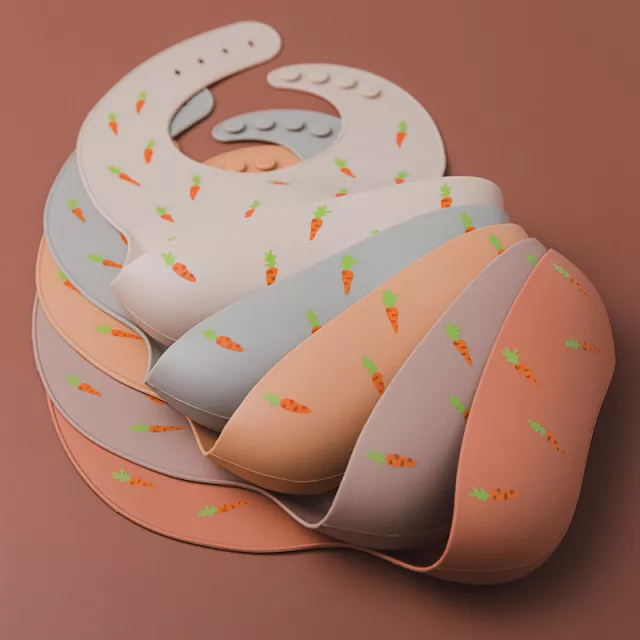
- Cartoon design adds a fun element that can encourage cooperation during feeding.
- Works for home, daycare, and travel since it can pack flat or roll up without taking much space.
Material and comfort notes for feeding gear
Silicone is commonly used for feeding items because it’s non-absorbent and quick to wipe down after sticky foods. For many families, that means fewer bib changes throughout the day and less fabric laundry.
- Non-absorbent material helps keep wet foods from lingering against clothes.
- Soft edges and flexibility can reduce rubbing at the neck and shoulders compared to stiff plastic bibs.
- Waterproof construction is especially helpful for thin purées, soups, yogurt, and drooly teething phases.
- Sensitive skin tip: clean and dry the neck area after meals to prevent irritation from trapped moisture.
- Hygiene check: if any feeding product develops persistent odor or stickiness after heavy use, deep-clean and replace if it no longer feels hygienic.
For general guidance on when and how to introduce solids, the American Academy of Pediatrics offers practical age-based feeding information.
Adjustable neck fit: getting the right size for different stages
An adjustable neck is useful only if it’s set up comfortably. The goal is a secure fit that doesn’t press on the throat, doesn’t rub, and still keeps coverage where mess happens most—high on the chest.
- Use a looser setting for comfort; the bib should sit flat without pressing into the throat.
- Allow room for swallowing and head movement—especially when baby turns to explore or signals “all done.”
- Check fit over thicker clothing (sweaters, hoodies) during colder months; the adjustable neck helps maintain coverage.
- For toddlers, a slightly wider setting can reduce tugging and improve wear time.
- Re-check closure placement regularly; fit needs can change quickly with growth spurts.
A simple rule: if you can comfortably slide two fingers between the bib and the neck area, it’s usually a good starting point—then fine-tune based on comfort and how well the bib stays in place.
Waterproof coverage and pocket performance during messy meals
When meals get chaotic, the most helpful features are the ones that keep cleanup fast. Waterproof silicone helps prevent seep-through, and a structured catch pocket can reduce what ends up in a lap—or on the floor.
- Waterproof silicone helps keep liquids from passing through, which can mean fewer outfit changes.
- A structured catch pocket can trap dropped bites (puffs, rice, pasta) and drips from spoons.
- For very runny foods, position the bib high enough so the pocket stays open and upright.
- During baby-led weaning, a catch pocket can reduce floor mess and help conserve food that can be offered again (only if it’s still clean and safe).
- Pair with a wipeable high-chair mat for easier cleanup when exploring new textures.
Bib types for different feeding routines
| Type | Best for | Cleanup | Trade-offs |
|---|---|---|---|
| Silicone waterproof bib (adjustable neck) | Purées, finger foods, everyday use, travel | Wipe or wash; quick dry | May feel heavier than thin cloth; pocket needs rinsing |
| Cloth bib | Light snacks, drool, short wear | Frequent laundering; slower dry | Soaks through with liquids; stains more easily |
| Disposable bib | Occasional travel, emergencies | Throw away | Ongoing cost; less sturdy; may shift during meals |
Cleaning and care: keeping it fresh and ready
Silicone is low-maintenance, but it still benefits from quick rinsing and thorough drying—especially around seams and closures where food can hide.
For broader food-safety basics during prep and cleanup, follow the CDC’s guidance on Clean, Separate, Cook, and Chill, especially when handling perishable baby foods.
When this bib is especially useful (home, daycare, travel)
Cartoon design: turning mealtime into a calmer routine
Related picks on Veneralle
- Waterproof Silicone Baby Bib with Adjustable Neck and Cartoon Design
- Twin Size Upholstered Bed with LED Lights and Crown Headboard
FAQ
Is a silicone bib safe for babies starting solids?
Silicone feeding items are widely used, and many families choose them because they’re non-absorbent and easy to clean. Choose food-safe materials, inspect the bib for damage, and always supervise during meals while offering age-appropriate foods.
How tight should the adjustable neck be?
Aim for a secure but loose fit: the bib should sit flat, avoid pressing into the throat, and allow about two fingers of space. Adjust for thicker clothing so it stays comfortable without rubbing.
What’s the best way to remove lingering food odors?
Rinse promptly, soak briefly in warm soapy water, rinse thoroughly, and let it fully air-dry before storing. If odor persists after deep-cleaning and the material feels worn or sticky, it’s time to replace it.














Leave a comment