Vans Collab Impact: Scorecards, Case Patterns & AI
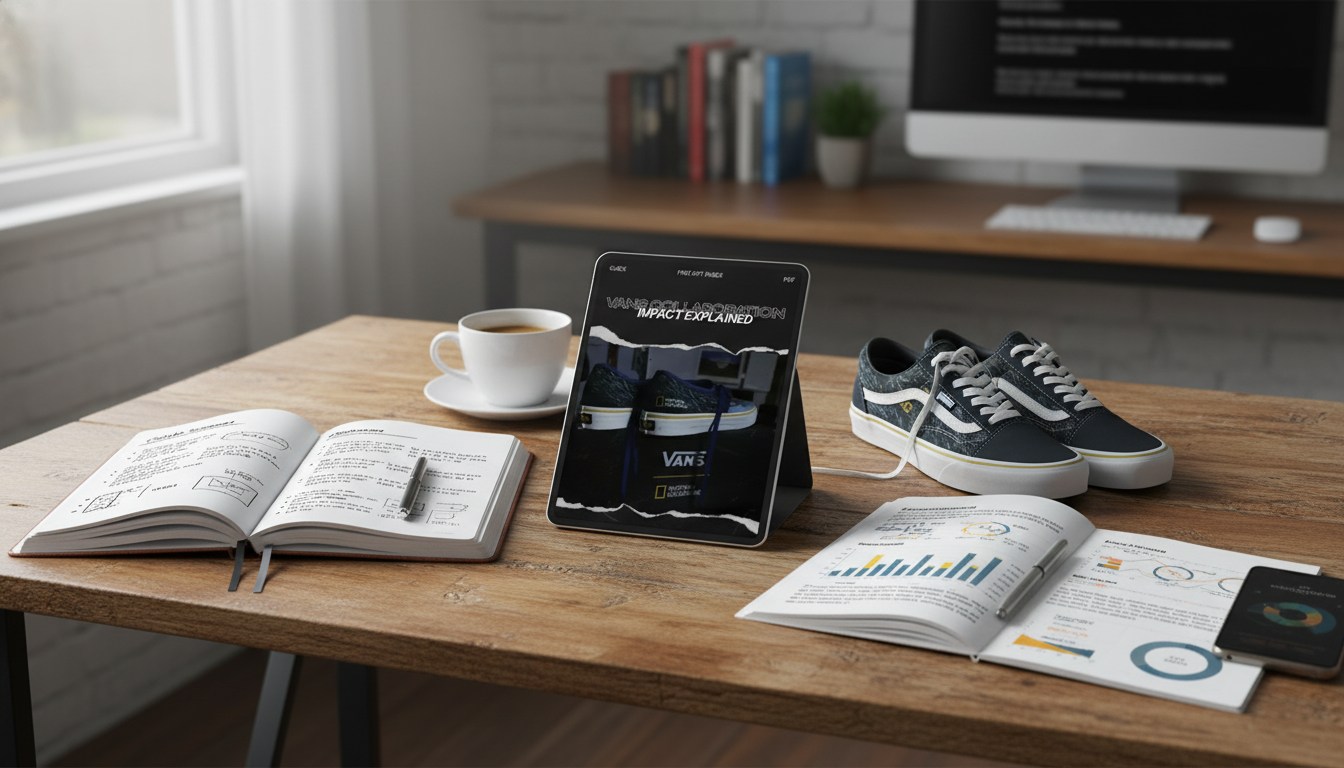
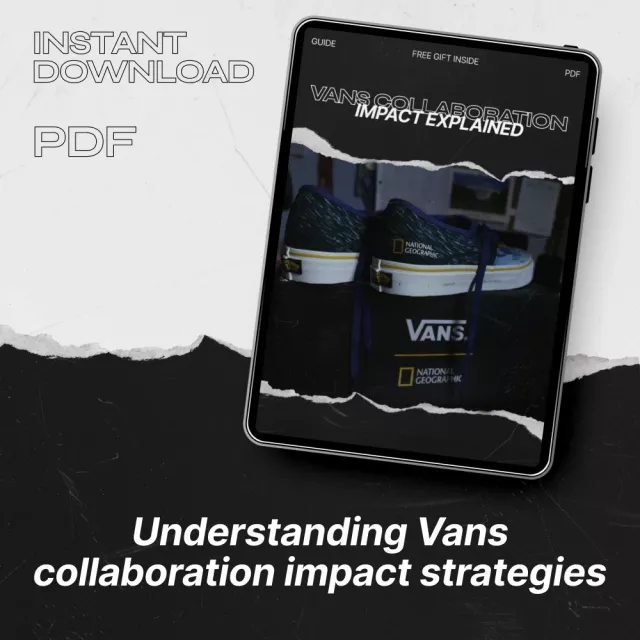
Vans Collaboration Impact Explained: Brand Strategy Lessons, Case Studies, and AI-Assisted Partnership Planning
Vans collaborations can do more than create a limited drop—they can shift brand perception, open new audiences, and strengthen credibility in skate, art, music, and fashion communities. The real value shows up when goals, partner fit, product design, distribution, and measurement are planned as one system. Done well, a collaboration becomes a strategic lever: it changes what people expect from the brand, not just what they buy this week.
What “collaboration impact” looks like for Vans
Collaboration impact is bigger than sell-out screenshots. For Vans, it typically shows up in five interconnected areas:
- Brand meaning lift: measurable shifts in what people associate with Vans—culture, creativity, authenticity, quality, status, or “taste.”
- Audience expansion: incremental reach into a partner’s community (and the creators, shops, and media nodes around it), not just overlapping fans.
- Commercial outcomes: sell-through speed, margin health, repeat purchase, and the “halo” lift on core silhouettes after the drop.
- Channel leverage: how effectively the collaboration performs across DTC, marketplaces, boutiques, and regional partners without overexposing the story.
- Cultural resonance: earned media quality, creator adoption, event momentum, and long-tail conversation after launch day.
A collaboration that “wins” on hype but loses on returns, sentiment, or brand credibility is often borrowing demand rather than building equity.
Why Vans is a natural collaboration platform
Vans has structural advantages that make collaborations feel native when they’re handled with care:
- Icon silhouettes as a blank canvas: instantly recognizable forms can carry new stories without losing identity.
- Subculture roots create permission: skate and street communities reward credibility and craft more than novelty.
- Flexible visual language: patterns, materials, and artwork can signal the partner while staying wearable and true to Vans codes.
- Drop mechanics amplify storytelling: scarcity works best when the narrative is strong enough to justify it.
- Community touchpoints scale reach: shops, events, and creators can extend the launch beyond paid media alone.
For background on the brand ecosystem and how Vans shows up across categories and regions, see the Vans Official Site and VF Corporation’s reporting on brand portfolio performance (VF Corporation Annual Reports).
A practical framework: define the collaboration’s job-to-be-done
Before sketches, samples, or announcements, define what the collaboration is supposed to accomplish. A simple “job-to-be-done” approach keeps teams aligned when tradeoffs appear (pricing, quantities, distribution, timing).
- Pick one primary objective: cultural credibility, audience growth, product innovation, or revenue acceleration.
- Set guardrails that protect the core: keep at least one anchor element—silhouette, checkerboard cue, skate functionality, or heritage palette.
- Choose the carrier: footwear, apparel, accessories, or experiential events—based on how the partner’s story is best expressed.
- Decide the time horizon: quick impact (single drop) vs. sustained impact (multi-season program or recurring capsule).
- Write success metrics early: define what changes if it works—behavior, perception, or both.
For a deeper planning template and examples of how to connect objectives to design and measurement, see Vans Collaboration Impact Explained – The Ultimate vans collaboration impact Guide for Brand Strategy, Case Studies & AI-Powered Partnership Planning.
Case study patterns that repeatedly drive results
Across categories, successful Vans partnerships tend to follow repeatable patterns. The “best” pattern depends on the objective.
Research on co-branding consistently highlights the importance of fit, story clarity, and execution quality—especially when audiences are sensitive to authenticity (see Harvard Business Review for broader collaboration and co-branding strategy perspectives).
Collaboration Impact Scorecard (use before greenlighting a partner)
| Criteria | What to evaluate | Signals of a strong match | Common red flags |
|---|---|---|---|
| Brand fit | Shared values, tone, and community credibility | Natural alignment with skate/art/music culture | Feels forced or purely transactional |
| Audience value | Incremental reach vs. redundant overlap | Clear new segment access (geo, age, lifestyle) | Same audience with no added relevance |
| Story strength | Narrative clarity and creative territory | A story told across product + content + events | Only a logo swap, no narrative |
| Product translation | How identity becomes a wearable design | Distinct materials/artwork while keeping Vans DNA | Design overwhelms silhouette or ignores function |
| Channel strategy | DTC, retail partners, regional drops, exclusives | Distribution supports scarcity and credibility | Overdistribution that kills excitement |
| Operational feasibility | Lead times, approvals, legal/IP, production constraints | Clear rights, fast decision-making, realistic timelines | Slow approvals, unclear rights, unrealistic quantities |
| Long-term halo | Impact on core sales and brand meaning | Sustained attention and repeat purchase lift | One-and-done spike with no aftereffect |
AI-assisted partnership planning: a repeatable workflow
How to measure impact without mistaking hype for health
Common pitfalls and how strong teams avoid them
Related picks
- Vans Collaboration Impact Explained – The Ultimate vans collaboration impact Guide for Brand Strategy, Case Studies & AI-Powered Partnership Planning
- Men’s Genuine Leather Cowboy Belt with Copper Buckle for Jeans
- Twin Size Upholstered Bed with LED Lights and Crown Headboard
FAQ
What makes a Vans collaboration successful beyond selling out?
Success shows up in halo lift on core products, sustained improvement in brand meaning (authenticity, creativity, quality), and credible community adoption that continues after launch week. Useful post-launch checks include repeat purchase within 30–90 days and the quality of earned media and creator mentions.
How should partner fit be evaluated before committing to a collaboration?
Use a weighted scorecard that compares partners on brand fit, audience incrementality, story strength, product translation, channel strategy, operational feasibility, and long-term halo. Weight the categories based on the collaboration’s primary objective so the “best” partner is best for the job.
Can AI help plan a brand collaboration without losing authenticity?
Yes—AI can support partner discovery, audience overlap modeling, scenario forecasting, and measurement, while humans lead the creative direction and community listening. Authenticity is protected by clear guardrails that keep Vans DNA intact and by involving real cultural stakeholders early.














Leave a comment