Compact Ratcheting Bike Tool Set: Quick Fixes Anywhere
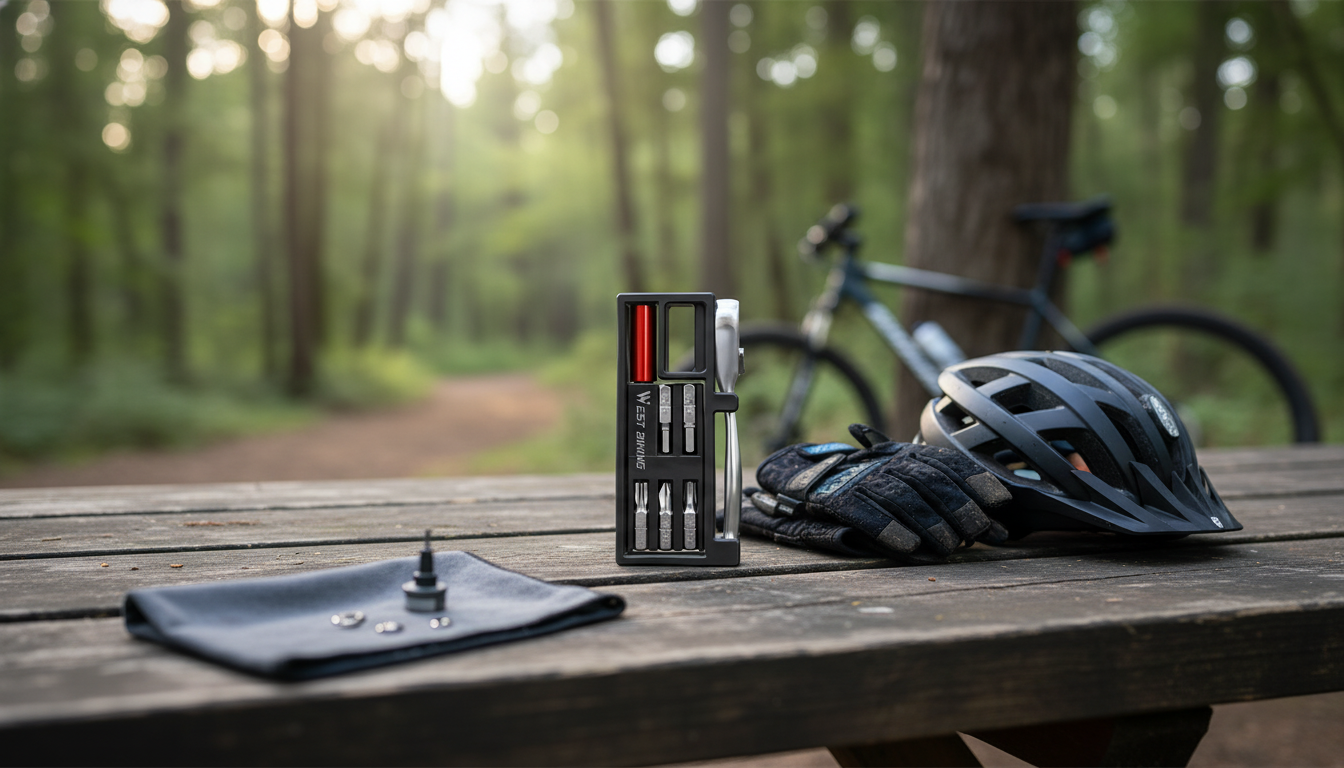
Portable Ratcheting Bike Tool Set with Multifunctional Alloy Bits: Compact Fixes for Road and Trail
A pocket-sized ratcheting tool can turn a mid-ride adjustment from a frustrating stop into a quick reset. This set pairs a small ratchet with multifunctional alloy bits, aiming to cover common fasteners found on modern bikes while staying easy to stash in a saddle bag, jersey pocket, or pack. If quick access and smoother turning matter more than carrying every tool under the sun, a compact ratchet-style kit is a practical upgrade from many traditional fold-out multitools. For more guidance, see [PDF] TOOL SETS, STORAGE & MORE.
Why a Ratcheting Tool Matters on a Bike
Bike hardware often sits in cramped spots: behind bottle cages, between aero bars, near suspension pivots, or tucked under a saddle clamp. A ratcheting driver helps you work in short arcs without needing a full rotation, which is exactly where fold-out tools can feel clumsy. For further reading, see ACDelco 12V Cordless Brushless Ratchet Wrench – 3/8″ Drive, 65 Ft ….
- Ratcheting action for tight spaces: Tighten or loosen bolts when a full turn isn’t possible.
- More control for small adjustments: A dedicated driver can feel steadier than a thick fold-out handle when you’re trying to make precise changes.
- Faster repetitive turns: Useful when re-centering handlebars, adjusting seat height, or chasing down a rattle that appeared after a few miles of washboard.
- Easier to carry consistently: Compact tools get used because they actually make it into your pocket or bag—ride after ride.
What’s Included and How Each Piece Gets Used
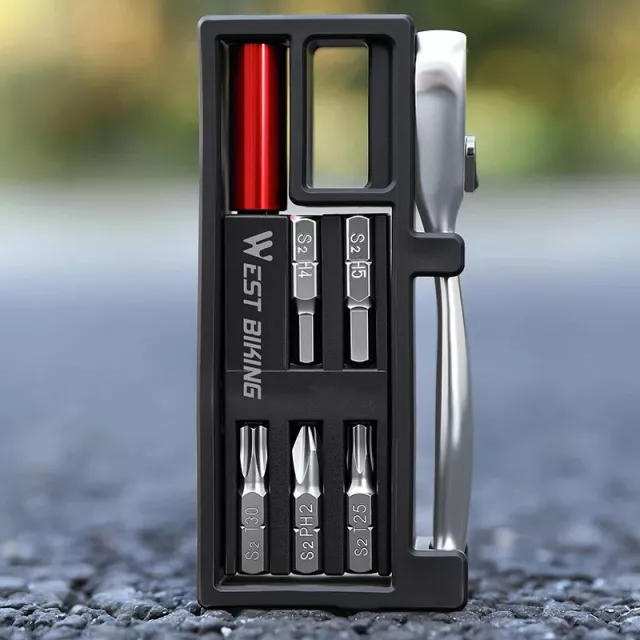
The appeal of a ratcheting set is simple: quick turning, easy bit changes, and a small footprint. While exact bit selection can vary by kit, the overall workflow stays the same—pick the correct bit, seat it fully, and ratchet through short strokes until you’re back rolling.
- Ratcheting driver: Designed for quick turning without removing and re-seating the tool between strokes, especially helpful when bolt heads are partially obstructed.
- Multifunctional alloy bits: Intended to fit a range of common bike fasteners (often hex/Allen, and sometimes other profiles depending on the kit).
- Bit storage/carry format: Keeps tiny bits from disappearing into the bottom of a bag and makes the right size easier to grab with cold or gloved hands.
- Common use cases: Cockpit adjustments, accessory mounts, saddle clamp tweaks, and minor component alignment checks.
Common Bike Tasks and the Tool Features That Help
| Task on the ride | What helps | Tip to avoid problems |
|---|---|---|
| Adjust saddle height or angle | Ratcheting driver for quick turns | Mark preferred saddle height to return to the same spot |
| Tighten stem/handlebar bolts | Bit variety for different bolt heads | Tighten evenly; alternate bolts to keep the clamp aligned |
| Secure bottle cage or rack bolts | Compact access in tight frame areas | Check for rattles after a few miles |
| Accessory mount adjustments (lights, computer, phone) | Fast bit swapping | Re-check after rough roads; mounts can loosen |
Where This Kit Fits Best: Commutes, Gravel, MTB, and Travel
A compact ratchet set shines when the goal is to handle the most common “ride killers” without carrying a full workshop.
- Daily commuting: Great for quick fixes and small corrections without the weight and bulk of a bigger toolkit.
- Gravel and MTB: Vibration can loosen cockpit and accessory hardware; having a ratchet makes post-sector checks faster and less annoying.
- Bikepacking and touring: Works well as a core tool alongside a tire repair kit, pump/CO2, and a chain quick-link solution.
- Travel and rentals: Easy to throw in a day pack for unexpected adjustments when you’re far from your own tools.
How to Use It Without Damaging Bolts
Small tools can still do big damage if a bit isn’t fully seated or the wrong size is forced. A few habits go a long way toward protecting bolt heads and threads.
Care, Storage, and Long-Term Reliability
Product Snapshot
- Product: Portable Ratcheting Bike Tool Set with Multifunctional Alloy Bits
- Price: $31.82 (USD)
- Availability: In stock
- Best for: Riders who want quick, compact adjustments without carrying a full fold-out multitool
More in-stock picks
- Men’s Genuine Leather Cowboy Belt with Copper Buckle for Jeans
- Large Dog Slicker Brush & Comb Set for Doodles, Poodles and Long Coats
- Twin Size Upholstered Bed with LED Lights and Crown Headboard
FAQ
Will a compact ratcheting bike tool work for most bike bolts?
It can cover many common bike fasteners as long as the correct bit size and profile is included in the kit. Since bikes vary, some hardware (such as certain Torx sizes or specialty bolts) may require an additional bit you carry separately.
Is it safe to tighten stem and handlebar bolts with a ratcheting tool?
It’s fine for on-the-go corrections to stop movement or noise, but critical bolts should match the manufacturer’s torque specification. After the ride, it’s best to confirm final tightness with a torque wrench to avoid over-tightening.
How should bits be maintained so they don’t strip bolts?
Keep bits clean and dry, ensure full seating before turning, and replace any that look rounded or damaged. Avoid forcing a close-but-not-quite size, since that’s a common cause of stripped bolt heads.














Leave a comment