Wooden Crib Mobile Holder: Calm Rattles for 0–12 Months
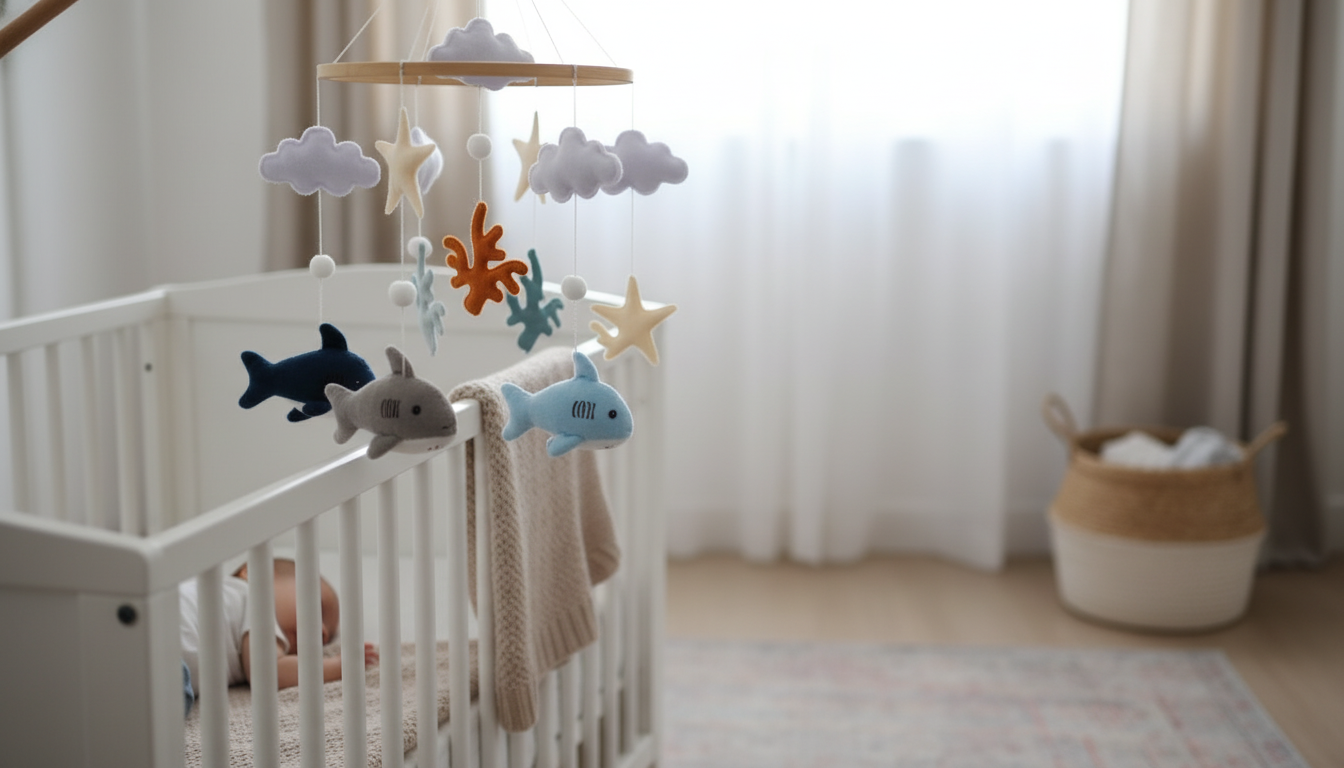
Wooden Baby Crib Mobile Holder with Rattle Toys (0–12 Months) Sensory Bed Bell: A Simple, Soothing Nursery Upgrade
A crib mobile holder with gentle rattle toys can bring soft movement and light sound to a baby’s space while supporting early sensory exploration. From newborn through 12 months, the most helpful setups keep stimulation calm and predictable, and they also make day-to-day safety easier—think sturdy attachment, secure toy connections, and quick adjustments as your baby grows and reaches farther. Below are practical ways to use a wooden mobile holder and bed bell safely, plus what to look for when setting one up.
What This Wooden Mobile Holder and Rattle Set Adds to a Nursery
A crib-mounted mobile holder creates a simple focal point above the sleep area. During supervised awake time, many babies enjoy quietly watching slow movement—an easy way to support calm observation without turning the nursery into a “busy” environment. Gentle rattles and small bell sounds can also be introduced in short moments to encourage listening and tracking, then paused so the room returns to stillness.
Age-by-age ways to use a crib mobile safely (supervised)
| Age range | What baby is practicing | How to use the mobile holder | Time & timing | Safety focus |
|---|---|---|---|---|
| 0–2 months | Visual tracking and calming | Place the mobile higher and centered so baby can see movement without reaching | 1–3 minutes, a few times daily during calm awake time | Keep all toys out of reach; stop if baby shows signs of overstimulation |
| 3–5 months | Longer attention and tracking | Use gentle motion; rotate toys occasionally to keep novelty low-key | 3–5 minutes before naps or after diaper changes | Check attachment tightness often; ensure strings/attachments are short and secure |
| 6–8 months | Reaching and grasping attempts | Raise height further or move slightly off-center if baby starts reaching upward | Brief sessions only, always supervised | Remove or reposition if baby can touch any hanging element |
| 9–12 months | Standing/pulling and stronger reach | Transition to wall or play-area sensory items if crib access becomes likely | Use mainly as décor or remove from crib area | Prioritize preventing grabbing/pulling; remove if baby can pull up near it |
Key Features That Matter for Day-to-Day Use
Attachment method and stability
Adjustability as your baby grows
Materials, finish, and edges
Toy connections and hanging length
Sound level and sensory “dose”
Cleaning and upkeep
Setting It Up: Placement and Quick Safety Checks
Re-check tightness every few days during the first couple of weeks and anytime you change sheets or adjust the crib. As your baby becomes more mobile, reassess reach often—if your baby can touch any hanging element, it’s time to raise, reposition, or remove the mobile from the sleep area. For broader crib and sleep guidance, see the American Academy of Pediatrics safe sleep recommendations (AAP — Safe Sleep Recommendations) and the U.S. Consumer Product Safety Commission’s crib safety tips (CPSC — Crib Safety Tips).
Simple Sensory Play Ideas (Without Overstimulation)
Use the “one-change rule”
Try a short “sound-and-still” routine
Keep spacing simple
Rotate slowly, not constantly
Care and Maintenance
Keep the area around the mobile clear—no add-on ribbons, extra strings, or accessories that weren’t designed for crib use. Store unused pieces in a dry place, and keep parts together so you don’t end up using mismatched components that don’t fasten securely. For a quick refresher on early developmental milestones that relate to reaching, grasping, and movement, reference NIH MedlinePlus — Infant Development.
Product Spotlight: Wooden Baby Crib Mobile Holder with Rattle Toys – 0–12 Months Sensory Bed Bell
The Wooden Baby Crib Mobile Holder with Rattle Toys – 0-12 Months Sensory Bed Bell is designed as a crib-mounted wooden holder paired with hanging rattle toys and a bed-bell element for gentle sensory engagement. It works well for supervised calm wake windows and can also serve as a nursery décor accent when not in active use. As with any crib mobile, keep all hanging items out of reach and reassess frequently as mobility increases.
Other in-stock picks that pair well with a nursery routine
- 65″ Blue Mid-Century Loveseat No-Tool Assembly 2-Seater Sofa for a comfortable feeding/reading spot near the crib.
- Matte Corning Glass Screen Protector for iPad to help protect a tablet often used for bedtime stories, white-noise control, or nursery monitoring.
- Silver Bow Tie AirPods Max Headphone Cover – Custom Y2K Resin Decoration for parents who use headphones during naps or while tidying up nearby.
At-a-glance details
| Item | Details |
|---|---|
| Name | Wooden Baby Crib Mobile Holder with Rattle Toys – 0-12 Months Sensory Bed Bell |
| Price | $37.51 |
| Availability | In stock |
| Category | Kids & Babies |
FAQ
When should a crib mobile be removed or moved out of reach?
A crib mobile should remain out of reach at all times and should be removed or repositioned as soon as a baby can push up, sit, pull to stand, or touch any hanging piece. Re-check reach often as new skills appear and follow the latest pediatric safe-sleep guidance.
Can a baby sleep with a rattle or bell mobile running all night?
It’s best used in short, supervised sessions for sensory play or a calming routine rather than continuous sound or motion all night. Keeping stimulation brief also helps avoid creating a sleep requirement and supports a safer, simpler sleep space.
How high should the mobile holder be placed above the mattress?
Place it high enough for clear viewing while ensuring your baby can’t reach any hanging element, even with stretching or rolling. Test reach regularly as your baby grows and adjust upward or remove it entirely once reach becomes possible.
















Leave a comment