Brake-Sensing Bike Taillight: High-Visibility LED Guide
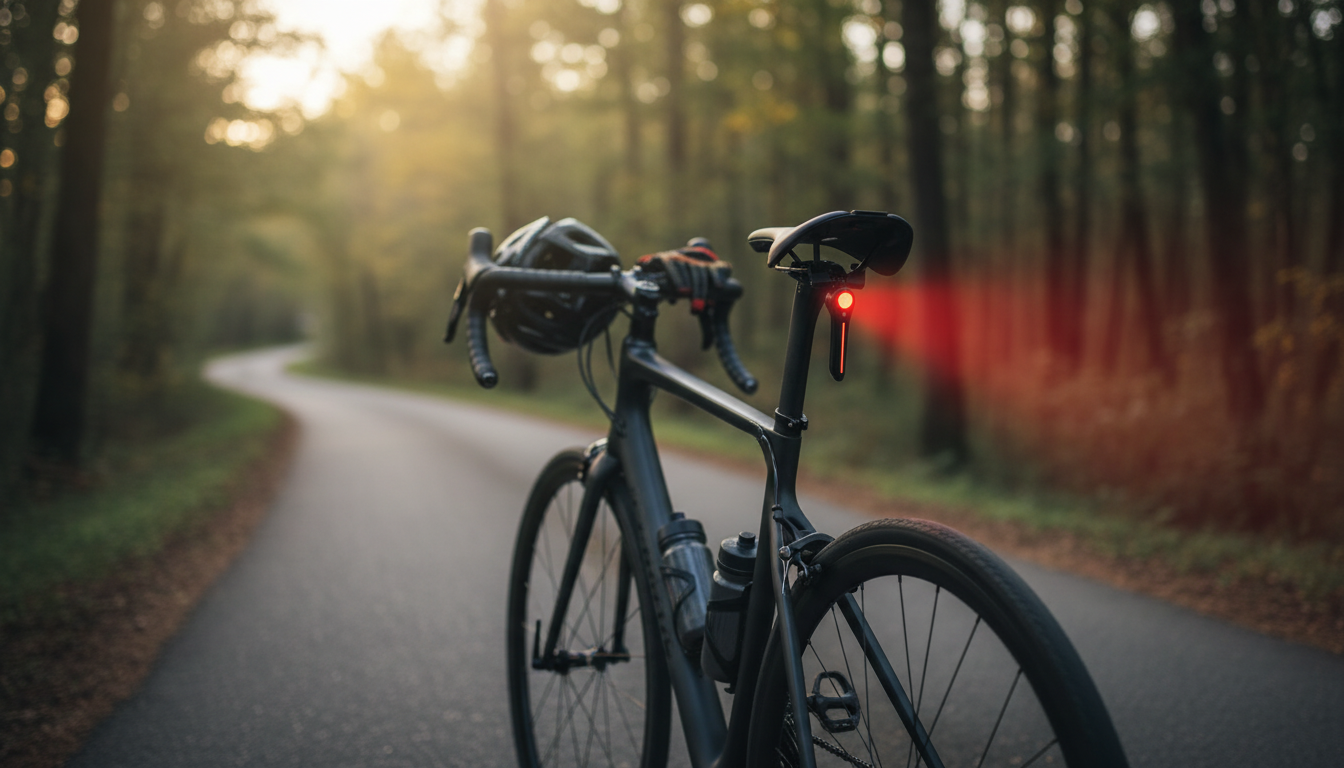
Smart Bike Taillight with Brake Sensor and High-Visibility LED
A rear light that gets brighter when slowing down can make night rides and low-light commutes feel more predictable for drivers behind you. A smart taillight with a brake-sensing feature and a high-visibility LED pattern helps signal speed changes, improve presence from a distance, and add an extra layer of confidence in traffic, on shared paths, and in shifting weather.
While any rear light improves basic visibility, brake-sensing models add a clearer “something just changed” cue—especially when a rider is coasting into a turn, easing down a hill, or scrubbing speed before an intersection without dramatically moving their hands.
Why brake-sensing matters on real rides
Most close calls from behind happen when someone following misjudges how quickly a cyclist is slowing. A brake-sensing taillight is designed to reduce that ambiguity by boosting brightness at the moment deceleration begins.
- A brake sensor helps communicate deceleration even when a rider isn’t actively “tapping” a light button.
- A brighter brake burst can draw attention during rolling stops, downhill approaches, and sudden slowdowns.
- Better signaling can reduce the chance of a close-following rider or driver misjudging speed changes.
- Useful in group rides where riders behind rely on quick visual cues, especially in dusk or fog.
The practical benefit is less about “looking flashy” and more about creating an unmistakable moment of contrast: steady tail glow, then a distinct surge when speed drops. That contrast can be easier to interpret than a constant strobe alone.
High-visibility LED: what makes a taillight easier to notice
Visibility isn’t just raw brightness—it’s how quickly the light reads as a bike taillight, and how well it holds up in messy real-world conditions (spray, vibration, angled approaches, and competing city lights).
- A strong rear-facing LED pattern improves presence in peripheral vision and from longer distances.
- Different flash and steady modes can help match conditions: steady for dark roads; flashing for daylight visibility where permitted.
- A wide viewing angle helps when cars approach from slight offsets rather than perfectly centered.
- Consistent brightness and clean optics matter more than tiny feature lists—look for a light that remains legible while bouncing over rough pavement.
Common light modes and when they’re useful
| Mode | Best for | Considerations |
|---|---|---|
| Steady | Night riding, unlit roads, bike lanes | Most predictable for drivers; can use more battery than some flash patterns |
| Slow flash | Twilight, urban streets, mixed lighting | Attention-grabbing without feeling chaotic |
| Fast flash | Daytime visibility, busy crossings | Check local rules and avoid dazzling riders behind in a group |
| Brake highlight | Any ride with frequent slowing or descents | Works best when the sensor is calibrated and the mount is stable |
Mounting and fit: getting the most from the brake sensor
Brake sensing depends on the light “feeling” real deceleration, not rattling around with every crack in the road. Mount quality and placement are a big part of how calm and accurate the signal looks to someone behind you.
- A stable mount helps the sensor distinguish actual braking from bumps and vibrations.
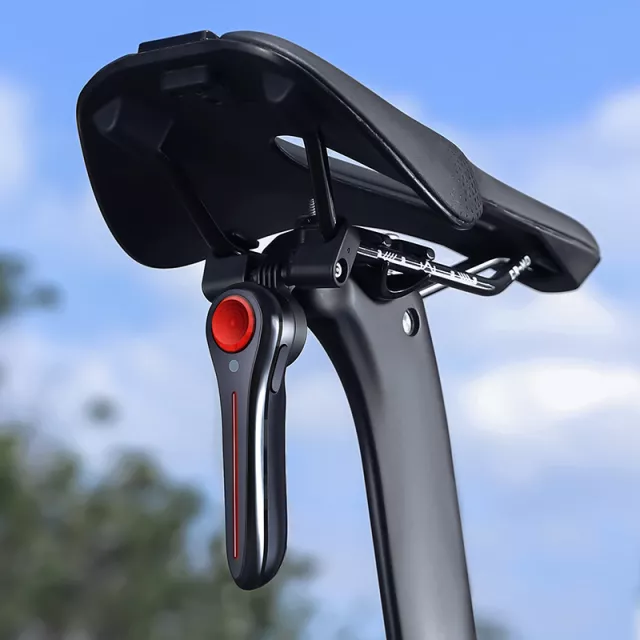
- Seatpost mounting is a common choice for centered visibility; some riders prefer seat-stay mounting for certain frame shapes.
- Aim the light straight back (not down at the tire) so the brake burst is visible at eye level for following traffic.
- After installation, do a short test ride: confirm the brake signal activates during deliberate slowdowns and remains calm on small road chatter.
For commuters using saddle bags or a rack trunk, double-check that the light sits above (or clear of) anything that might block it. Even a partly obscured lens can turn a crisp brake burst into a vague glow.
Battery, charging, and day-to-day convenience
A taillight only helps when it’s on. The best setup is the one that’s easy enough to keep charged without thinking too hard about it.
- Rechargeable lights reduce waste and keep the light ready with routine top-ups.
- A simple charging routine (for example, after a few commutes) can prevent surprise shutoffs mid-ride.
- Look for clear power indicators so it’s easy to tell when it needs charging before heading out.
- If riding in cold weather, expect shorter run times and charge more often.
Weather and durability basics
For broader riding safety guidance, review resources from NHTSA and the IIHS. For a practical overview of light usage and modes, REI’s guide is also helpful: Bike Lights: A Buyer’s Guide.
Quick setup checklist before the first night ride
You may also like
- Men’s Genuine Leather Cowboy Belt with Copper Buckle for Jeans
- Large Capacity Makeup Organizer with Drawers – Vanity Desk Organizer for Cosmetics, Lipsticks, Jewelry & Skincare
- Large Dog Slicker Brush & Comb Set for Doodles, Poodles and Long Coats
Compare related options such as Chesterfield Leather Sofa 89″ – Mid-Century Modern 3-Seater Couch with Nailhead Trim to match features, dimensions, and use case before choosing.
FAQ
How does a bike taillight brake sensor work?
It detects changes in motion (deceleration) using an internal sensor and then boosts brightness to signal slowing. A secure, stable mount improves accuracy because excessive vibration or a loose strap can trigger false “brake” bursts.
Is flashing mode okay for night riding?
It depends on local rules and the riding context. On dark roads, steady mode is often easier for others to judge distance and speed, while certain flash patterns can work well in lit urban areas—just avoid using an overly intense flash that could distract or dazzle riders behind you.
Where should a rear taillight be mounted for best visibility?
Centered and unobstructed is best—often on the seatpost—aimed straight back rather than down at the tire. Make sure it isn’t blocked by a saddle bag, rack, fender, or loose clothing.















Leave a comment