Universal Stroller Rain Cover with Window for Wind & Dust
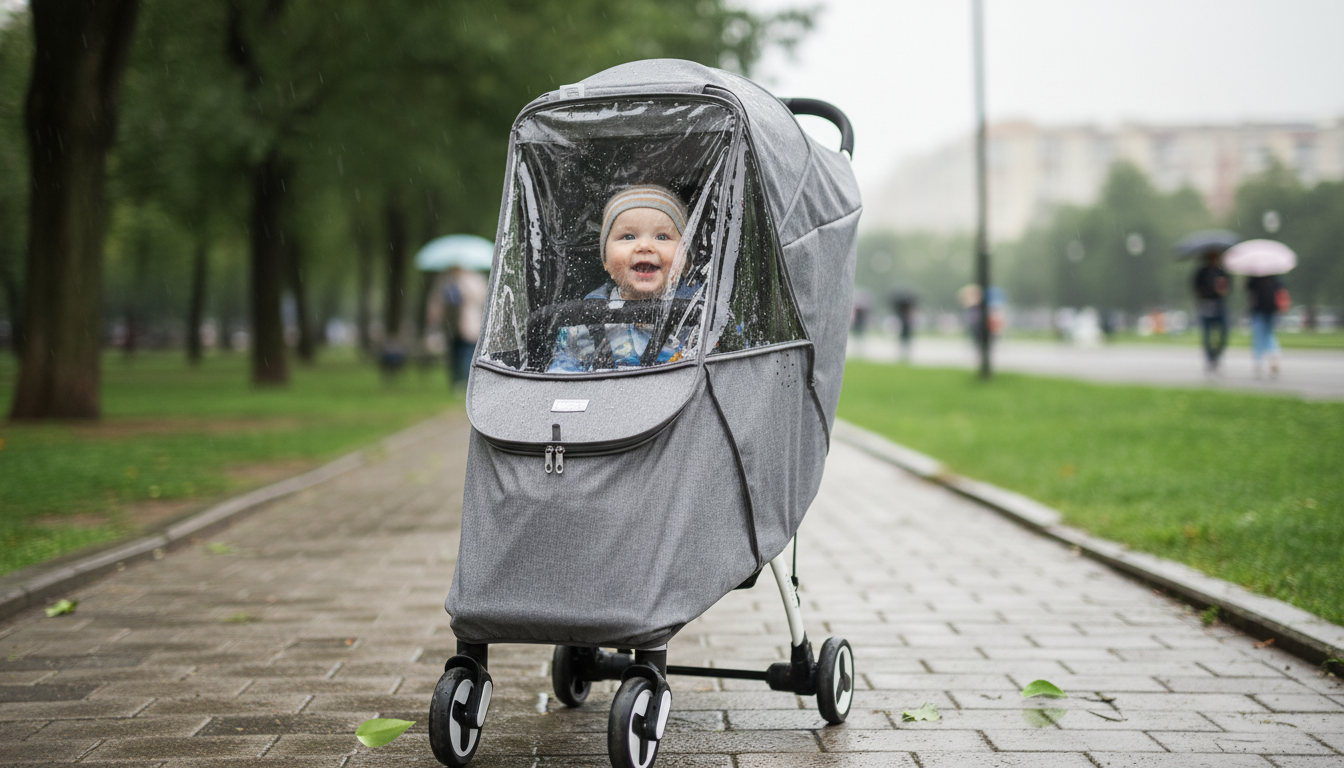
Universal Baby Stroller Rain Cover with Window: Weather Shield for Wind, Rain, and Dust
Unpredictable weather and dusty sidewalks can turn a quick walk into an uncomfortable ride. A universal stroller rain cover helps block wind, rain, and airborne debris while keeping baby visible and accessible through a clear window—without needing a stroller-specific accessory. For everyday routines like daycare drop-offs, errands, or travel connections, a full-coverage cover can be the difference between canceling plans and rolling comfortably through changing conditions.
What This Stroller Cover Is Designed to Do
A well-made stroller rain cover acts like a lightweight shield around the seating area, helping protect baby from the elements while keeping the stroller usable in messy, real-world environments.
- Creates a protective barrier against rain, gusty wind, and road dust during outdoor walks
- Includes a clear viewing window so baby stays visible and light still comes through
- Helps reduce direct exposure to splashes from puddles and wet pavement
- Useful beyond rainy days: windy parks, crowded sidewalks, and dusty routes
On colder days, reducing wind exposure can also help baby stay more comfortable when paired with appropriate layers. For seasonal guidance on staying safe in winter conditions, the American Academy of Pediatrics offers practical tips for families at HealthyChildren.org.
Quick Feature Overview
Universal-style stroller covers focus on broad compatibility and everyday convenience. The goal is to create consistent coverage without requiring a model-specific accessory.
- Universal-style fit intended to work with many common stroller shapes
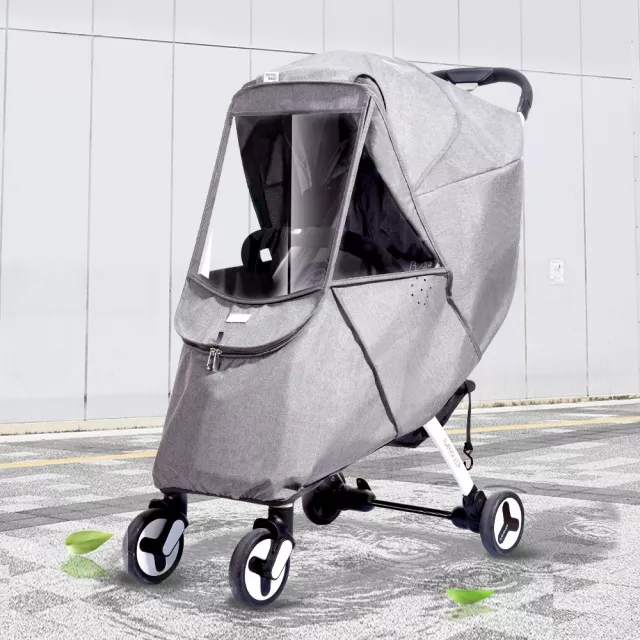
- Transparent front panel for visibility and natural light
- Full-coverage design aimed at shielding the seating area
- Convenient for commuting, travel days, and errands when weather changes fast
At-a-Glance: Where This Cover Helps Most
| Situation | What the cover blocks | Why the window matters |
|---|---|---|
| Light to moderate rain | Raindrops and splashes | Keeps baby visible without lifting the cover |
| Windy walks | Wind chill and gusts | Allows quick checks for comfort |
| Dusty sidewalks/paths | Dust and airborne debris | Lets light in so the stroller doesn’t feel enclosed |
| Crowded areas | Accidental splashes and street spray | Easy monitoring without opening fully |
Fit and Compatibility: Getting a Secure Setup
“Universal” typically means it’s designed to adapt to many stroller silhouettes, but the best performance still comes from a careful setup. A secure, well-draped cover is less likely to flap in gusts or ride up as you push.
- Confirm the cover can reach over the canopy area and down to the lower front of the stroller for better sealing
- Check for enough room around handles, footrest, and wheels so the cover doesn’t snag during movement
- Aim for a snug fit to reduce flapping in wind; loose covers can shift and expose baby to drafts
- If using accessories (cup holders, stroller organizers), test whether they interfere with the cover’s drape
A quick at-home test helps: place the cover on the stroller, roll it across rugs and thresholds, turn tight corners, and confirm nothing catches near the front wheels or footrest. If the stroller reclines, try the cover in both upright and reclined positions to ensure it still reaches the lower front area.
Using the Window Comfortably and Safely
The clear window is more than a visibility feature—it can make everyday use feel simpler because you can check baby without repeatedly lifting the cover (which often lets wind or drizzle in).
- Keep the viewing window clean to maintain clear visibility—wipe with a soft cloth to avoid scratches
- Open or adjust as needed for interaction and quick checks during stops
- Avoid placing blankets or toys against the window where condensation can build up
- If the cover fogs, briefly open for airflow and dry surfaces as needed
If you notice condensation, it’s usually a sign that warm air inside is meeting cooler outside air. A short pause to increase airflow can restore clarity and comfort quickly.
Ventilation and Weather Balance
Any full-coverage rain shield changes airflow. The right balance depends on temperature, humidity, and how bundled your baby is. A good routine is “check early, then re-check,” especially if the weather is mild and the cover is mostly closed.
For broader guidance on airborne particles and air quality considerations (especially during dusty conditions or poor-air days), the CDC’s overview on air topics is a useful reference: CDC Air.
Care, Cleaning, and Storage
When a Rain Cover Is Especially Useful (Beyond Rain)
Product Option
For an everyday, full-coverage solution, consider the Universal Baby Stroller Rain Cover – Wind, Rain & Dust Shield with Window. It’s designed to provide a protective barrier in changing conditions while keeping baby visible through a clear front panel.
More In-Stock Finds for Busy Households
- Men’s Genuine Leather Cowboy Belt with Copper Buckle for Jeans
- Large Dog Slicker Brush & Comb Set for Doodles, Poodles and Long Coats
- Twin Size Upholstered Bed with LED Lights and Crown Headboard
FAQ
Will a universal stroller rain cover fit my stroller?
Universal covers fit many common stroller styles, but results depend on canopy height, seat width, and whether the cover reaches down toward the footrest/front area without interfering with wheels or handles. A quick test fit at home helps confirm a snug, stable setup.
Can a stroller rain cover be used in windy or dusty conditions?
Yes. A rain cover can help block wind and airborne dust, especially when it fits snugly and doesn’t flap or shift while pushing. Keep an eye on ventilation and baby’s comfort, and adjust openings as conditions change.
How do you clean and store a stroller rain cover with a clear window?
Wipe it with a soft cloth and mild soap if needed, then let it dry completely before folding to prevent mildew or odors. Avoid abrasive cleaners or rough scrubbing that can scratch or cloud the clear window.













Leave a comment