Coconut Tree Cat Scratching Tower with Hammock & 2 Levels
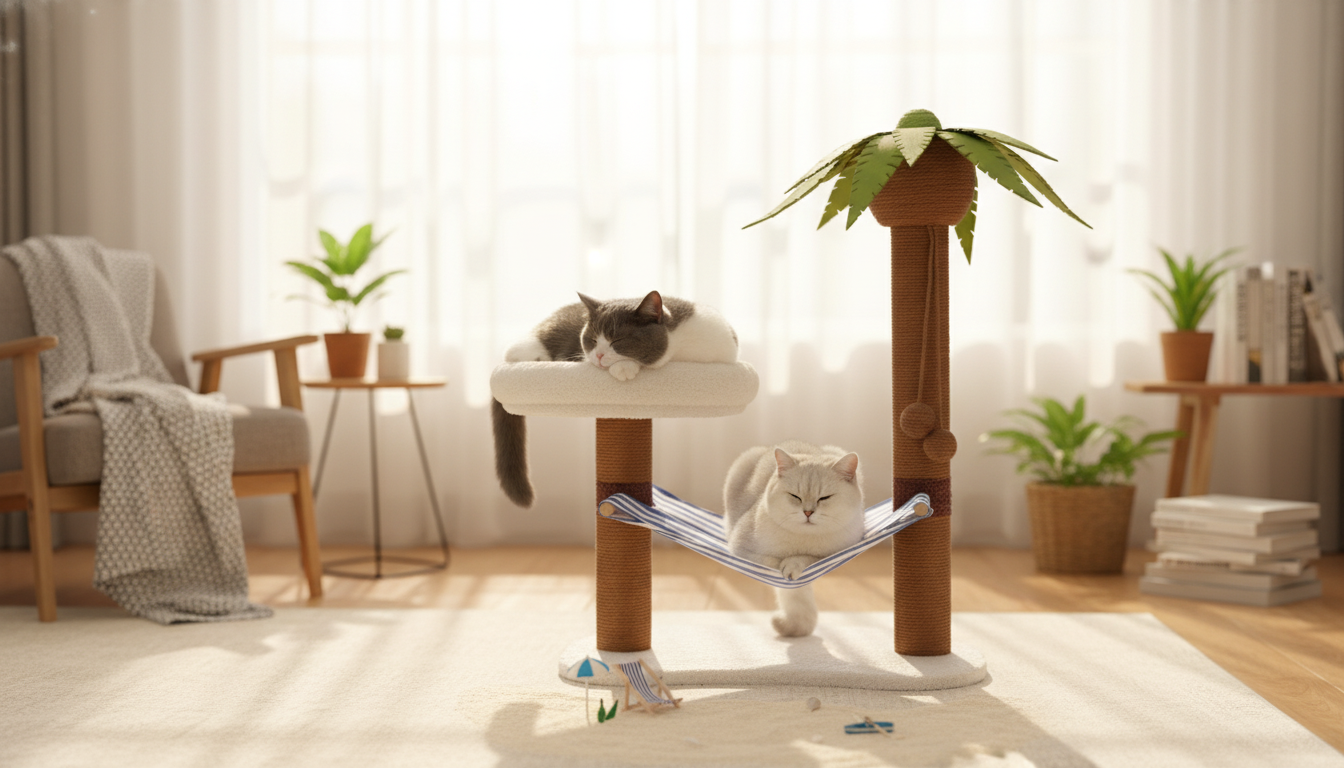
Cat Scratching Tower with Coconut Tree Design, Hammock, and Dual Levels
A tall scratch-and-lounge setup can protect furniture, keep claws healthy, and give cats a reliable place to climb and nap. This coconut tree–inspired scratching tower combines a playful look with practical features like a hammock and two usable levels for rest and observation. If your cat rotates between “zoomies,” window-watching, and long naps, a vertical tower like this helps turn those instincts into a predictable routine—without sacrificing your living room style. For more guidance, see [PDF] Silvics of North America – Forest Service Research and Development.
What Makes This Coconut Tree Tower Different
Some cat towers blend into the background. This one leans into a theme—while still doing the everyday work of a scratcher, perch, and nap station. For further reading, see [PDF] CURRY HAMMOCK STATE PARK UNIT MANAGEMENT PLAN ….
- Coconut tree styling adds a decorative, tropical look that pairs well with casual, coastal, or bright interiors.
- Dual levels create distinct zones: one for perching and one for resting, which can reduce competition in multi-cat households.
- Hammock-style bed offers a flexible, cradled spot many cats choose for longer lounging sessions.
- Scratching surface encourages daily claw maintenance and provides an appropriate outlet for natural marking behavior.
If you’re shopping for a centerpiece tower that’s more “decor-forward” than the standard beige post, you can view the Cat Scratching Tower with Coconut Tree Design, Hammock, and Dual Levels while it’s in stock.
Comfort & Enrichment: Hammock + Two-Level Layout
Cats don’t just want a place to sleep—they want options. A setup with both elevation and a flexible bed supports the daily cycle most cats naturally follow: climb, observe, settle, repeat.
- Hammocks feel secure because they distribute weight and gently “hold” the body, which can suit cats who like supported sleep positions.
- Two levels support routines like climb → perch → rest, with easy transitions between activities.
- Vertical space expands territory, especially in apartments where floor space is limited but “upward real estate” is available.
- Perching supports lookout behavior, a natural boredom-buster that can reduce attention-seeking scratching elsewhere.
A practical tip: if your cat likes to monitor the household, place the higher level where they can see a doorway or main room. If they’re more of a “quiet corner” napper, position the hammock side toward a calmer area.
Scratching Benefits for Claws and Home
Scratching is normal cat behavior, not “bad behavior.” It helps cats stretch, maintain their claws, and communicate via scent and visual marks. The goal is to give that instinct a better target than the couch.
- Claw health support: Regular scratching helps shed old nail sheaths and promotes full-body stretching through shoulders and back.
- Furniture protection: A tower that’s appealing and easy to reach can reduce scratching on sofas, doorframes, and rugs—especially if placed near the current “problem zone.”
- Stability matters: Many cats prefer scratchers that don’t wobble. Setting the tower on a flat surface (and optionally against a wall) can increase confidence and use.
- Routine reinforcement: Cats often scratch after naps and meals. A dedicated scratch zone makes that habit easier to keep consistent.
For more context on why cats scratch and how to redirect it effectively, two helpful references are the ASPCA guide to cat scratching behavior and Cornell’s overview of common behavior problems in cats.
Quick Feature Summary
Use this snapshot to compare needs (space, number of cats, lounging style) against the tower’s core features before buying.
| Feature | What it does | Best for |
|---|---|---|
| Coconut tree design | Decor-forward silhouette that still functions as a scratch-and-climb tower | Homes where appearance matters as much as utility |
| Hammock bed | Cradled resting spot that supports curled sleep | Cats that nap often or prefer soft, supported beds |
| Dual levels | Separate perching and resting zones | Multi-cat homes or cats that like alternating activities |
| Scratching surface | Dedicated area for claw maintenance and stretching | Redirecting scratching away from furniture |
Where to Place It for Maximum Use
Placement often determines whether a new tower becomes a daily favorite or an expensive piece of unused furniture. The best spot is usually where your cat already spends time.
- Near a window: Encourages climbing and perching for bird-watching and daytime lounging.
- Beside a scratching hotspot: Helps redirect behavior without forcing a big routine change.
- Close to social areas: Many cats prefer scratching and resting where people hang out.
- Avoid blocking pathways: Towers that sit along normal “cat routes” get used more than towers tucked behind clutter.
Care, Cleaning, and Longevity Tips
If shedding is heavy in your home, a dedicated grooming tool can also help keep cat spaces cleaner between deep cleans. For households that also manage long coats on other pets, the Large Dog Slicker Brush & Comb Set for Doodles, Poodles and Long Coats is an in-stock option for routine coat maintenance.
Product Details and What to Expect
FAQ
Is a hammock bed safe for adult cats?
Hammock-style beds are commonly used in cat furniture and are generally safe when the tower is placed on a level floor and the fasteners are secure. Check for wobble after assembly and re-tighten hardware periodically to maintain stable support.
Where should a scratching tower be placed to reduce furniture scratching?
Place the tower next to your cat’s current scratching spots, near sleeping areas, or along common walking routes so it feels convenient. You can also encourage early use with catnip or silvervine (if your cat responds) and praise or treats when they scratch the right surface.
How do you get a cat to use a new scratching tower?
Introduce it gradually in a familiar area, add a favorite toy or a few treats on the platforms, and make the scratch surface enticing with a little catnip if appropriate. Avoid punishment for unwanted scratching; calmly redirect your cat to the tower and reward the correct choice.















Leave a comment