Mindful Clarity Printable Journal for Calm Daily Check-Ins
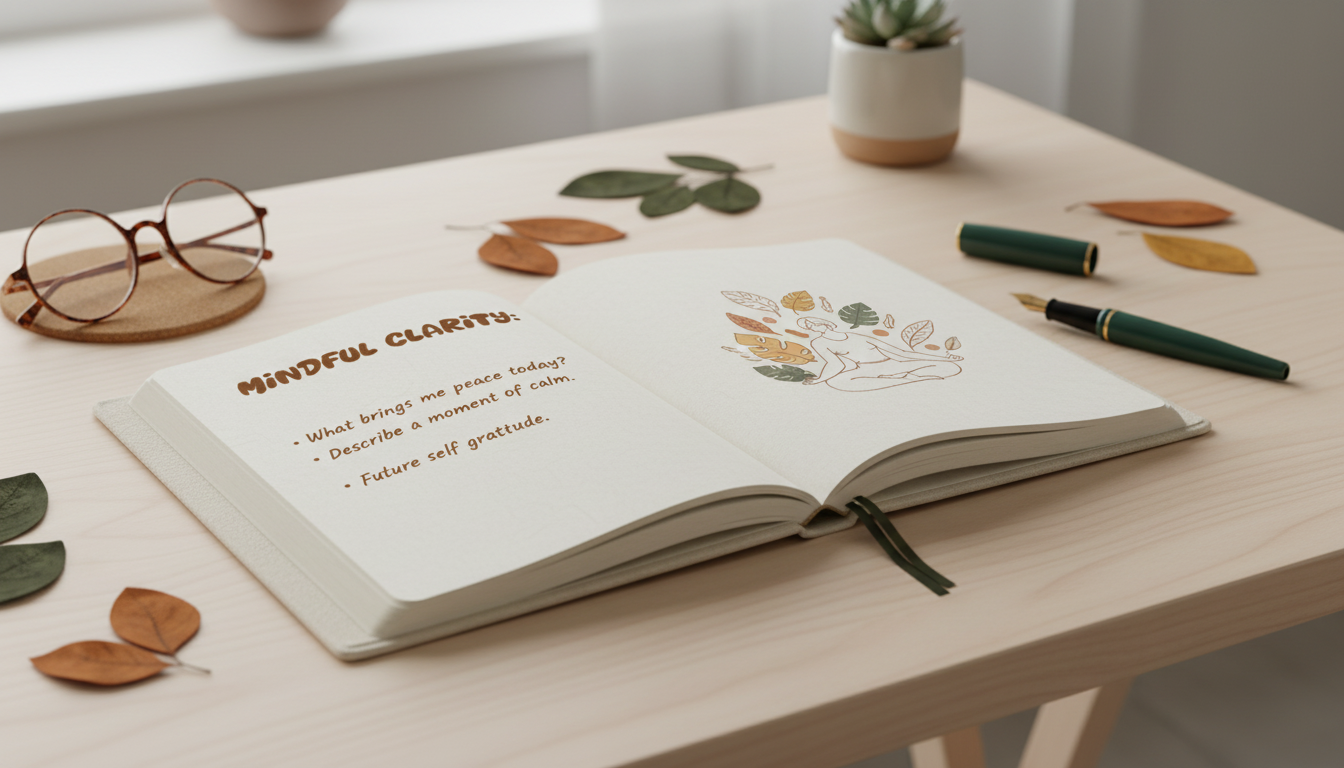
Mindful Clarity: A Printable Journal for Daily Mindfulness, Gratitude, and Reflection
A simple daily journaling rhythm can make it easier to slow down, notice what matters, and respond with intention. Mindful Clarity combines short mindfulness check-ins, gratitude exercises, and reflective quotes to support mental well-being—without requiring long sessions or special experience. If you’ve wanted a calmer mind but felt stuck staring at a blank page, this printable format offers gentle structure you can return to again and again.
Mindfulness is widely used to support stress management and overall well-being, including approaches like mindfulness-based stress reduction (MBSR) discussed by the American Psychological Association. Gratitude practices are also linked with improved mood and perspective, including findings summarized by Harvard Health. Mindful Clarity brings these ideas into a practical, printable routine that fits real schedules.
What Mindful Clarity Is Designed to Support
- A steady daily pause to notice thoughts, feelings, and body cues without judgment
- Gratitude practices that feel specific and grounded rather than generic
- Reflection that helps identify patterns (stress triggers, energy drains, helpful supports)
- Gentle self-compassion and realistic goal-setting for day-to-day mental wellness
- A printable format that can be used at home, at work, or while traveling
Instead of aiming for “perfect journaling,” the pages are built for small, repeatable check-ins. That consistency is often what turns journaling from a one-off activity into a supportive routine.
How a Daily Practice Can Feel (Without Being Time-Consuming)
Daily mindfulness doesn’t have to mean long sessions. A 5–10 minute window is enough to clear mental clutter and create a little space between stimulus and response.
- Use a 5–10 minute window: quick check-in, one gratitude entry, one reflection prompt
- Pair journaling with an existing habit (morning coffee, lunch break, bedtime wind-down)
- Keep entries short: a few sentences can be enough to reduce mental clutter
- Let the quote act as a focus word for the day rather than something to “solve”
A helpful mindset shift: treat each entry like a weather report, not a final verdict. “Overcast and tense today” is useful data—no need to force it into positivity.
Inside the Printable Journal: Mindfulness Prompts, Gratitude, and Quotes
Mindful Clarity blends three elements—mindfulness prompts, gratitude exercises, and reflective quotes—so you can meet yourself where you are each day.
- Daily mindfulness prompts: observe what’s present right now (thoughts, emotions, sensations)
- Gratitude exercises: move from “what went well” to “why it mattered” for deeper impact
- Reflective quotes: brief anchors that encourage perspective-taking and calm attention
- Flexible use: repeat pages as needed, print single sheets, or build a binder-based journal
Quick Ways to Use Each Page Element
| Page element | Best time to use | Example focus |
|---|---|---|
| Mindfulness check-in | Morning or midday | What emotion is most present right now? |
| Gratitude exercise | Evening | One moment that felt supportive—and why |
| Reflection prompt | After a tough moment | What story is the mind repeating? What’s another possibility? |
| Reflective quote | Anytime | A single word to return to when distracted |
A Gentle 7-Day Rhythm to Build Consistency
If consistency has been the hard part, try a short ramp-up week. The goal is to lower friction first, then add depth once the habit is easier to keep.
- Day 1–2: Keep it minimal—one prompt and one gratitude line to lower friction
- Day 3–4: Add a short body scan note (sleep, tension, energy level) to spot trends
- Day 5: Choose one quote and apply it in a real situation (a conversation, a commute, a decision)
- Day 6: Review entries for repeated themes; circle one that deserves care this week
- Day 7: Write a brief weekly reflection: what helped, what drained, what to adjust next week
This structure keeps the practice realistic: it’s not about producing pages of writing—it’s about noticing what changes your day in small, meaningful ways.
Who This Journal Tends to Fit Best
- Busy schedules: people who want structure without long writing sessions
- Beginners to mindfulness: guided prompts reduce the “blank page” effect
- Anyone managing stress: supports noticing patterns and creating small, doable shifts
- Gift-giving: a thoughtful option for birthdays, transitions, or self-care resets
- Printable preference: those who like tangible pages, binders, or customized printing
It can also work well for people who prefer a calm, private way to process emotions—especially when talking things out isn’t always possible in the moment.
Practical Printing and Setup Tips
- Paper choice: standard printer paper works; thicker paper reduces bleed-through if using markers
- Organization: use a binder, folder, or clipboard; consider printing a week at a time
- Writing tools: pen for speed, pencil for flexibility; add highlighters for themes (sleep, mood, stress)
- Make it visible: store it where it’s easy to reach during the chosen journaling moment
A small environmental cue helps. Keeping your pages on a nightstand or desk can be enough to make the routine feel automatic—especially when the day gets busy.
Featured In-Stock Picks
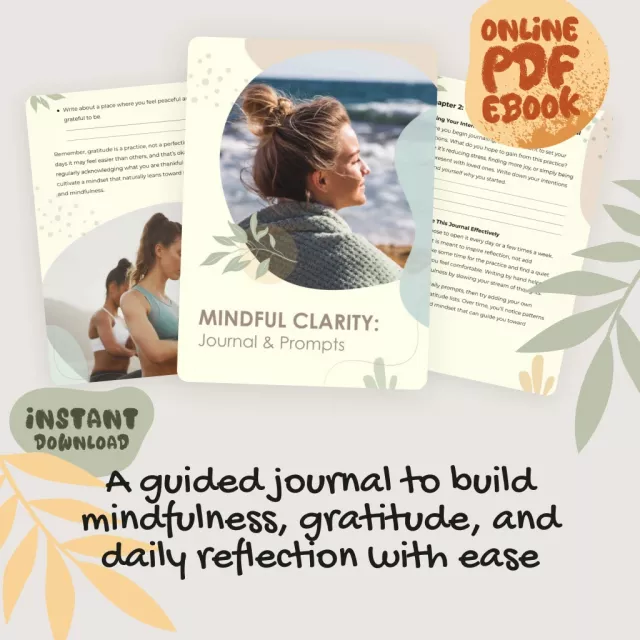
Mindful Clarity: Journal & Prompts (Printable)
Twin Size Upholstered Bed with LED Lights and Crown Headboard
FAQ
How long should a daily journaling session take?
Plan for 5–10 minutes. On busy days, do a minimal version (one prompt + one gratitude line); on slower days, add a reflection response and a quick weekly review when it fits.
Is this suitable for beginners who don’t know what to write?
Yes—guided prompts and short quotes reduce the blank-page feeling. Keep answers brief and honest, and repeat prompts as often as needed to build comfort and consistency.
What’s the best way to print and use a printable journal?
Printing a week at a time makes it easy to start without overwhelm. Use a binder or folder, choose thicker paper if you prefer bold pens, and keep your pages and writing tools in the same visible spot.











Leave a comment