Look-Compatible Lightweight Road Clipless Pedals Guide
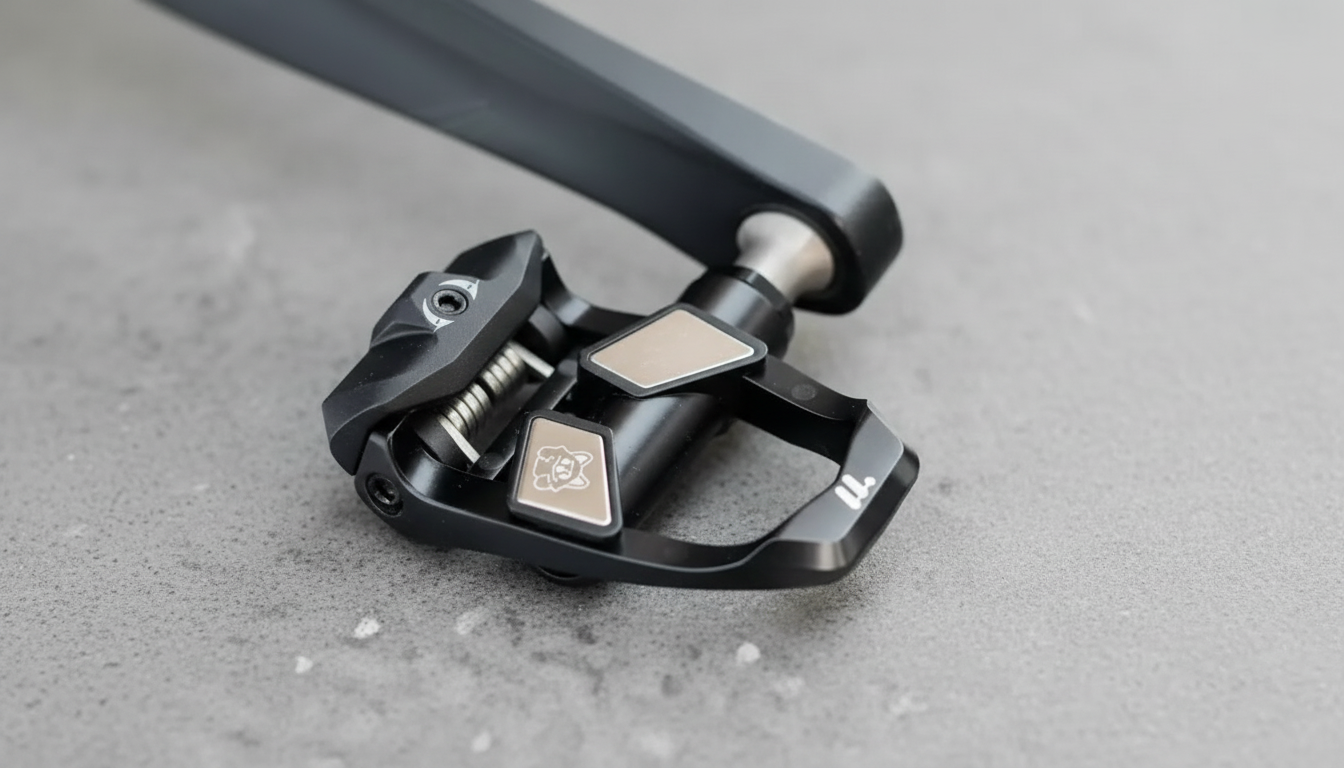
Lightweight Road Clipless Pedals with Look Compatibility
A light pedal set can make every acceleration feel snappier, but only if the cleat standard, float, and engagement feel match the way the bike is ridden. These road clipless pedals are designed around Look-style compatibility for riders who want an efficient platform, predictable entry/exit, and simple setup without adding unnecessary grams. The goal is a confident “click” when it counts—whether that’s steady tempo work, climbing out of the saddle, or rotating through a fast group ride.
What these pedals are built to do
- Prioritize low rotating weight while keeping a stable road-style platform under the shoe.
- Use a Look-compatible road interface so riders can pair with common Look-style cleats (verify the exact cleat type before buying).
- Deliver consistent clip-in and release feel for steady cadence work, climbing, and spirited group rides.
- Support straightforward installation on standard crank threads with basic tools.
On the road, a stable platform matters as much as the scale number. A supportive interface helps spread pressure across the shoe, which can reduce hot spots on longer rides and help keep the foot from “searching” for position during hard efforts.
Look compatibility: getting the cleat match right
“Look compatible” can mean different things depending on the pedal generation and cleat family. Before ordering cleats (or assuming old ones will fit), confirm the standard your pedal is designed around.
- Confirm whether the system is compatible with Look KEO-style cleats (the most common “Look road” standard) versus older Look Delta; cleats are not interchangeable.
- Check shoe bolt pattern: most road shoes use a 3-bolt pattern that fits Look-style road cleats.
- Cleat float choice affects knee comfort and feel: more float can reduce joint stress; less float can feel more locked-in for sprinting.
- If swapping from another system (SPD-SL, Speedplay, MTB SPD), plan for a short adaptation period due to different stack height and release motion.
If you’re uncertain about cleat family or install basics, Park Tool’s guide to pedal installation is a solid reference for thread direction, tool choice, and avoiding cross-threading: Park Tool — Pedal Installation and Removal. For cleat style visuals and naming, it can also help to compare manufacturer pages like Look Cycle.
Key specs and setup checklist
Weight is easy to market, but the parts that quietly determine the ride are the retention mechanism and the wear surfaces: spindles, bearings, and the points where cleat meets pedal. A good road pedal should feel smooth under load, resist contamination, and keep release consistent as miles add up.
- Look for a balance of low weight and durable hardware (spindles, retention components, and bearings matter more than claimed grams).
- Platform stability is influenced by pedal body shape and how the cleat contacts; a stable platform helps reduce hot spots on longer rides.
- Tension and release characteristics should suit experience level: lighter release for newer clipless riders, firmer for racing and aggressive efforts.
- Grease and correct torque protect crank threads and make future removal easier.
Pre-ride checklist for Look-compatible road pedals
| Item | What to verify | Why it matters |
|---|---|---|
| Cleat type | KEO-style vs Delta (match pedal standard) | Prevents unsafe or impossible engagement |
| Shoe bolts | 3-bolt pattern, bolts tightened evenly | Keeps cleat aligned and reduces squeaks |
| Cleat position | Fore-aft and angle set to natural foot track | Supports comfort and knee tracking |
| Pedal tension | Set to an appropriate entry/exit force | Reduces accidental release or panic exits |
| Crank installation | Grease threads; tighten to recommended torque | Avoids seized pedals and thread damage |
| Test clip-in | Practice clipping in/out while supported | Builds confidence before riding in traffic |
Engagement feel: float, release, and riding confidence
Engagement isn’t just about security—it’s about how naturally the pedal allows your feet and knees to track. Float is the small amount of rotational movement allowed before release, and the “right” choice is typically the one that keeps your knees happiest while still feeling direct under power.
Riders coming from Shimano-style road systems may notice the release feel and float behavior differs, even when both are “road clipless.” Shimano’s overviews can be useful for understanding how road cleats and retention concepts compare across systems: Shimano — Cleat and Pedal Compatibility (SPD-SL overview).
Durability and maintenance basics
Who these pedals fit best
Common issues and quick fixes
Product options (in stock)
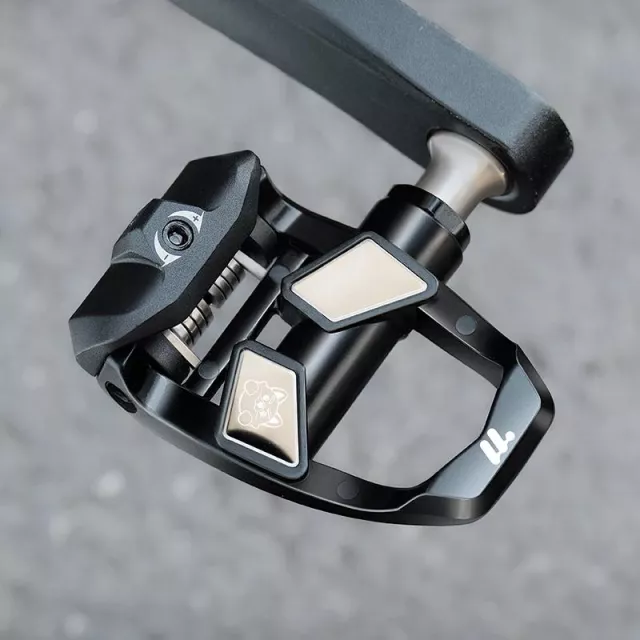
- Lightweight Road Clipless Pedals with Look Compatibility — a straightforward choice for riders wanting a Look-style road interface with a focus on keeping overall weight down.
- Men’s Genuine Leather Cowboy Belt with Copper Buckle for Jeans — a durable everyday accessory option for off-bike wear.
- Large Dog Slicker Brush & Comb Set for Doodles, Poodles and Long Coats — a practical grooming set for households with pets.
FAQ
Are these compatible with Look KEO cleats or Look Delta cleats?
“Look compatibility” can refer to different standards, so it’s important to verify whether the pedal is designed for KEO-style cleats or the older Delta style. Match the cleat to the pedal’s standard before riding, since KEO and Delta cleats are not interchangeable.
How tight should clipless pedal tension be set for a new rider?
If the pedal has adjustable tension, start at the lightest safe setting and practice clipping in and out while supported (next to a wall or on a trainer). Increase tension gradually only after unclipping is consistent and automatic.
Why do clipless road pedals start squeaking after a few rides?
Squeaks are commonly caused by slightly loose cleat bolts, dirt between the cleat and pedal contact areas, or cleat wear changing how the interface loads under pressure. Cleaning the contact points, tightening bolts evenly, and replacing worn cleats typically restores a quiet, solid feel.














Leave a comment