Ultralight 300 PSI Mini Bike Pump for Presta & Schrader
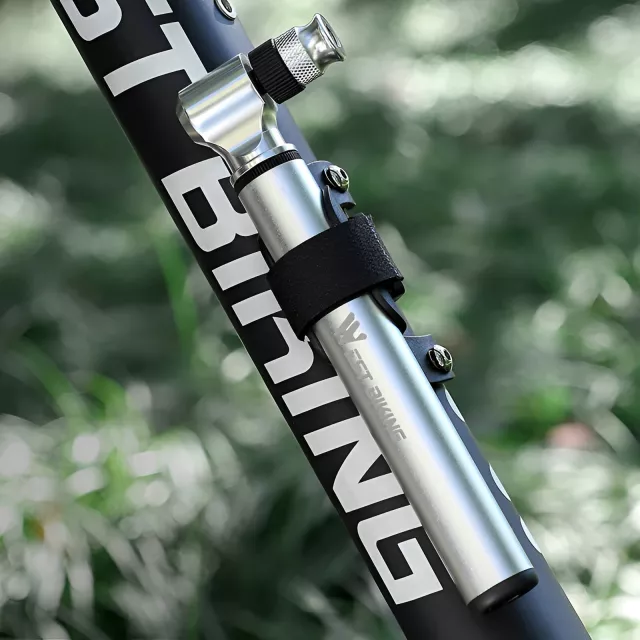
300PSI Portable Mini Bike Pump for Presta & Schrader Valves – Ultralight Alloy
A portable pump only earns a spot in your kit if it works with the valves you actually ride, stows easily, and builds pressure without turning a quick stop into a long roadside session. The 300PSI Portable Mini Bike Pump for Presta & Schrader Valves – Ultralight Alloy is made for riders who want one compact, metal-body mini pump that covers both common valve standards and can handle high-pressure top-ups for road, gravel, and commuter bikes. For more guidance, see Trail Terms – American Trails.
What this mini pump is built for
- Quick roadside inflation for mid-ride pressure loss and post-flat repairs.
- One-pump coverage for households with mixed valve types (Presta and Schrader).
- High-pressure topping up for narrower tires where pressure has a noticeable impact on speed and handling.
- Lightweight carry in a jersey pocket, saddle bag, or mounted to the frame.
Mini pumps are about getting you rolling again safely and confidently. For exact pressure at home, a full-size floor pump with a gauge is still the easiest way to dial in numbers—but on the side of the road, compact reliability matters more than lab-level precision. For further reading, see [PDF] 2024 AUCTION BOOKLET | Gateway Woods.
Key features that matter on the road
- High maximum pressure rating (up to 300 PSI) for added headroom when topping up higher-pressure setups.
- Presta and Schrader compatibility so you can help a riding partner (or use multiple bikes) without hunting for adapters.
- Ultralight alloy body that balances durability with easy carry.
- Compact form factor designed to fit tight storage spaces.
- Cycling-focused use for road, commuter, and mixed-surface riding.
That “high PSI” spec doesn’t mean every tire needs extreme pressure—most don’t. It’s more about capability: a pump that isn’t struggling when you’re trying to bring a road tire back into a safe range after a tube swap.
Presta vs. Schrader: getting a reliable seal
Most mini-pump frustration comes from a poor seal at the valve, not from the pump itself. If you’re ever unsure which valve you have or how each one works, Park Tool’s clear overview is a solid reference: Park Tool — Tire and Tube Valve Types (Presta vs Schrader).
- Presta valves are narrow and common on road bikes and many gravel wheels. Before pumping, you must open the small lock nut at the tip.
- Schrader valves are wider (car-style) and common on many commuters and older mountain bikes.
- Before you start: confirm the valve type, make sure the valve core is snug, and seat the pump head fully and straight.
- If you hear hissing at the connection, detach and reseat the head rather than forcing more strokes.
How to use the pump (fast roadside routine)
- Remove the valve cap. For Presta, unscrew the small top nut and tap it briefly to unstick the valve.
- Attach the pump head firmly. Keep the valve stem straight to reduce stress at the rim hole.
- Pump using smooth, full strokes. If there’s no gauge, pause occasionally and squeeze the tire to confirm you’re progressing.
- Detach carefully to avoid bending the valve stem. Immediately close the Presta nut (if applicable) and replace the cap.
- After a tube change, inflate in stages: add a little air, check that the tire bead is seated evenly, then bring pressure up to your riding range.
A quick technique tip: stabilize the pump and your hand position so you’re not side-loading the valve. This helps protect tubes (and valve stems) while you’re trying to get back on the road.
Pressure guidance (practical ranges by bike type)
Pressure depends on tire width, rider weight, rim type, and terrain—always respect the tire sidewall limits. Wider tires usually run lower pressure for comfort and traction; narrower tires typically run higher pressure for efficiency and sharper handling. For a more personalized starting point, Silca’s calculator is a helpful resource: Silca — Tire Pressure Calculator.
| Bike / Tire type | Typical tire width | Common starting pressure range |
|---|---|---|
| Road bike (clincher) | 23–28 mm | 70–100 PSI |
| Gravel bike | 35–45 mm | 35–60 PSI |
| Hybrid / commuter | 32–45 mm | 45–70 PSI |
| Mountain bike (non-plus) | 2.1–2.4 in | 20–35 PSI |
| Kids / casual bikes (varies widely) | Varies | Check tire sidewall |
Use a floor pump with a gauge for precise setup at home. Use a mini pump to reach a safe, rideable feel, then fine-tune later if you’re chasing an exact number.
Carry, mounting, and durability expectations
Troubleshooting common mini-pump issues
Who this pump fits best
In-stock picks
- 300PSI Portable Mini Bike Pump for Presta & Schrader Valves – Ultralight Alloy
- Men’s Genuine Leather Cowboy Belt with Copper Buckle for Jeans
- Large Dog Slicker Brush & Comb Set for Doodles, Poodles and Long Coats
FAQ
Does it work with both Presta and Schrader valves without an adapter?
Yes—this mini pump is designed to be compatible with both Presta and Schrader valves. Identify your valve type before attaching, and for Presta valves, open the small top nut before pumping to allow airflow.
Is 300 PSI necessary for a bike tire?
Most bike tires use far less than 300 PSI, but the high rating provides extra headroom for high-pressure road setups and can make top-ups feel less strained. Always inflate based on your tire’s sidewall limits and your riding needs.
How can a mini pump inflate faster on the roadside?
Use smooth, full strokes with the pump head seated straight and firmly, and fix leaks at the valve connection early instead of forcing more strokes. After a tube change, inflate in stages to confirm the tire is seated correctly, then finish the ride and fine-tune pressure later with a floor pump if needed.














Leave a comment