Luxury Small Bedroom Layout Planner: Smarter Space
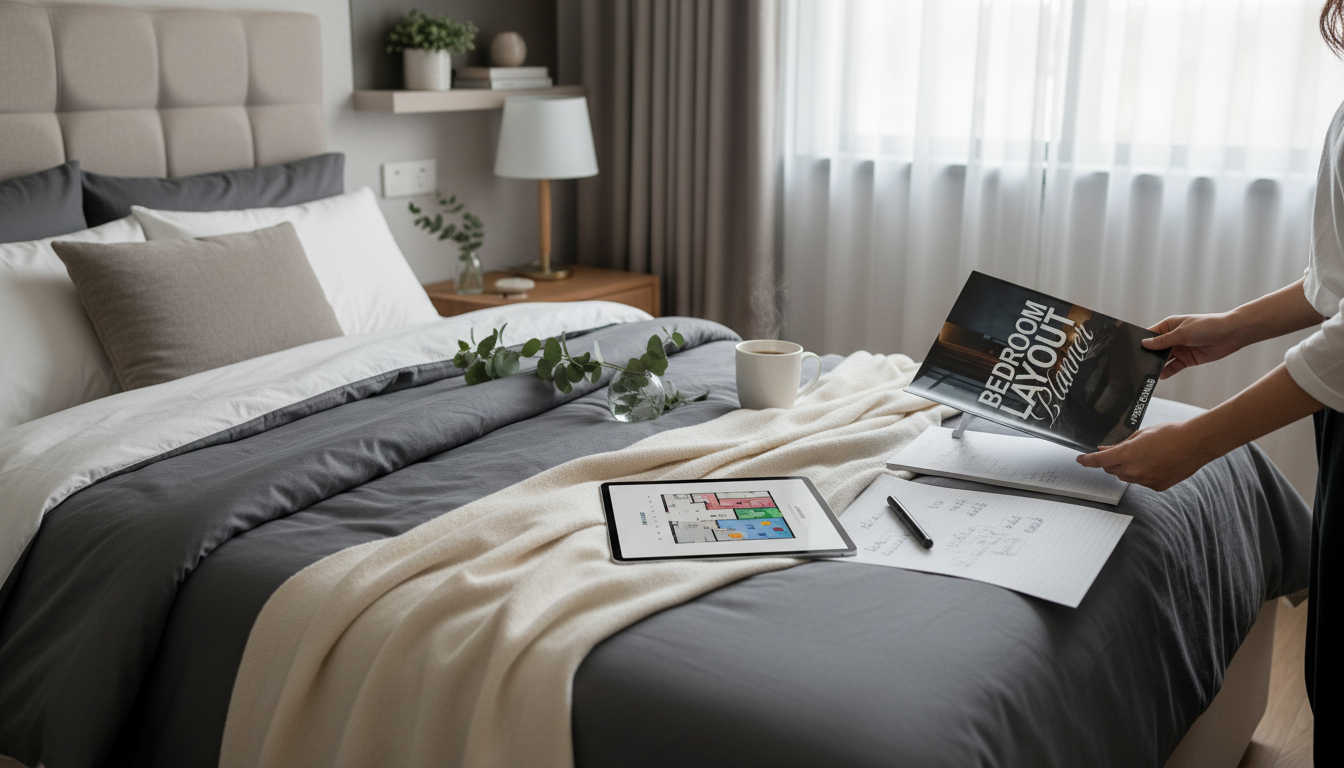
Bedroom Layout Planner Guide: Luxury Comfort for Small Spaces with Smarter Planning
A luxury bedroom feels effortless: clear walking paths, balanced furniture, layered lighting, and textures that look rich without overwhelming the room. The secret isn’t a bigger footprint—it’s a smarter plan that respects real-life constraints like doors, windows, closet access, and storage. Use the steps below as a practical flow for small bedrooms, rentals, and “awkward” layouts where every inch needs to earn its keep.
Start with the room: measure, map, and mark constraints
Before shopping (or rearranging again), capture what you’re truly working with. Small spaces reward accuracy.
- Measure wall-to-wall dimensions, ceiling height, and any soffits, radiators, or bump-outs. A quick floor plan sketch to scale (even on graph paper) prevents expensive guesswork.
- Mark fixed elements: door swings, windows, closets, vents, and outlets. These usually decide what “works” more than style does.
- Identify the “quiet wall”—the least interrupted wall with minimal doors/windows. It’s often your best headboard wall, but confirm sightlines and clearances.
- Set priority needs before you add furniture: sleeping, storage, dressing area, vanity/work spot, or reading corner. Rank them so you don’t overfurnish.
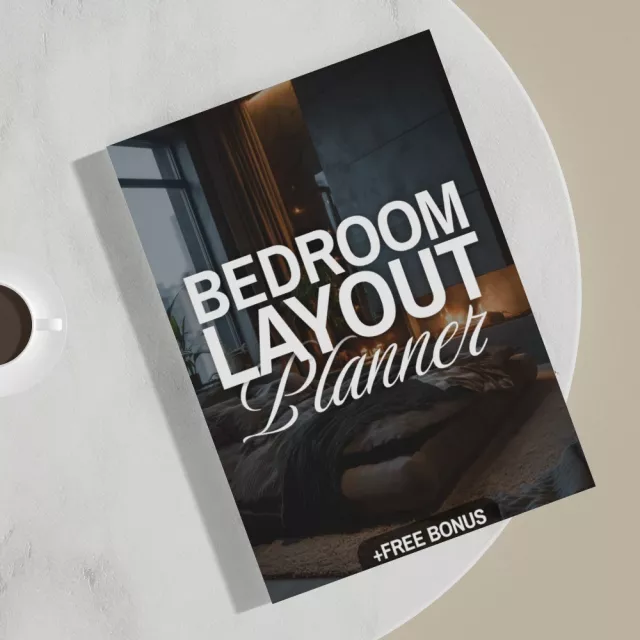
If you want a faster way to convert measurements into workable layout options, the Bedroom Layout Planner Guide (digital download eBook & checklist) keeps the process organized with decision prompts and a final walkthrough you can reuse room to room.
Choose the bed position first (then everything else gets easier)
The bed is the largest piece, the visual anchor, and the main driver of circulation. Place it well and the rest of the room “clicks” into place.
- Anchor the layout by placing the bed where it supports symmetry, calm sightlines, and easy access to storage and closet routes.
- Aim for comfortable circulation on at least one side. In very tight rooms, keep the “daily-use” side open and let the other side run tighter if needed.
- Avoid positioning the bed where the door swing crowds the foot of the bed, or where curtains/blinds will be constantly bumped.
- Use a rug plan to visually center the bed zone even when the bed can’t be perfectly centered on the wall.
Common bedroom clearances to test before committing
| Layout checkpoint | Comfortable target | Small-room minimum | Quick note |
|---|---|---|---|
| Walkway beside bed | 24–30 in | 18–24 in | Prioritize the side used most often |
| Foot-of-bed clearance | 30–36 in | 24–30 in | More space needed if adding a bench or dresser |
| Dresser drawer opening zone | 36 in | 30 in | Avoid tight clashes with bed corners |
| Closet door clearance | Door swing + 6–12 in buffer | Door swing only (tight) | Sliding doors reduce conflicts |
| Nightstand access | At least 18 in width each side (ideal) | One compact ledge | Wall-mounted options save floor space |
If you’re furnishing a compact room (guest room, teen room, or city apartment), a smaller bed with high-impact detailing can deliver “luxury hotel” vibes without eating the floor plan. The Twin size upholstered bed with LED lights and crown headboard adds a statement silhouette and built-in glow that reduces the need for bulky bedside lighting.
Build a luxury furniture layout without crowding
Luxury doesn’t mean more furniture—it means better proportions, clearer zones, and a more intentional edit.
- Downsize intelligently: swap wide nightstands for narrower ones, use a tall chest instead of a long dresser, or choose a wall-mounted shelf to free walking space.
- Create one “feature moment” (statement headboard, art wall, or sculptural light) and keep other pieces quieter for a high-end look.
- Layer storage: under-bed drawers, a storage bench, and vertical cabinetry can replace multiple bulky pieces that visually “fill” the room.
- Use visual continuity: matching wood tones, repeated metal finishes, and aligned top heights (nightstands/lamps) make small rooms feel designed, not crowded.
- Choose multifunction pieces when it truly reduces clutter: a vanity that doubles as a desk, or an ottoman with concealed storage.
Lighting that feels expensive: a three-layer plan
Lighting is one of the fastest ways to make a bedroom feel elevated, because it shapes mood, softness, and depth. A three-layer plan prevents the flat “one ceiling light” look.
For lighting guidance and standards, the Illuminating Engineering Society (IES) is a trusted authority, and the American Lighting Association is a helpful resource when comparing fixture types and placement ideas.
Textures and materials: the fastest route to a luxury feel
Sleep quality is closely linked to your environment—light, comfort, and overall calm matter. For practical research-backed context, see the Sleep Foundation’s guidance on bedroom environment and sleep quality.
AI-assisted planning for faster decisions and fewer mistakes
Printable checklist: final walkthrough before committing
FAQ
What is the best bed placement for a small bedroom?
Start with the least interrupted “quiet wall,” keep the most-used walkway open, and avoid conflicts with door swings and closet access. If space is extremely tight, a corner placement with one compact nightstand or wall shelf can preserve circulation.
How can a bedroom look luxurious without buying all new furniture?
Focus on layered lighting, cohesive finishes (matching metals/woods), upgraded textiles, and full-height curtains to add softness and height. Edit visible clutter and invest in one statement element—like a headboard or dramatic light—so the room feels intentional.
Do I need a designer to plan bedroom lighting and layout?
A structured plan and checklist can cover the core decisions: circulation, storage access, lighting layers, and a cohesive material palette. Professional help is most useful when you’re moving electrical, adding built-ins, or solving complex architectural constraints.











Leave a comment