Kitchen Design Ideas: Modern, Rustic & Minimalist Plans
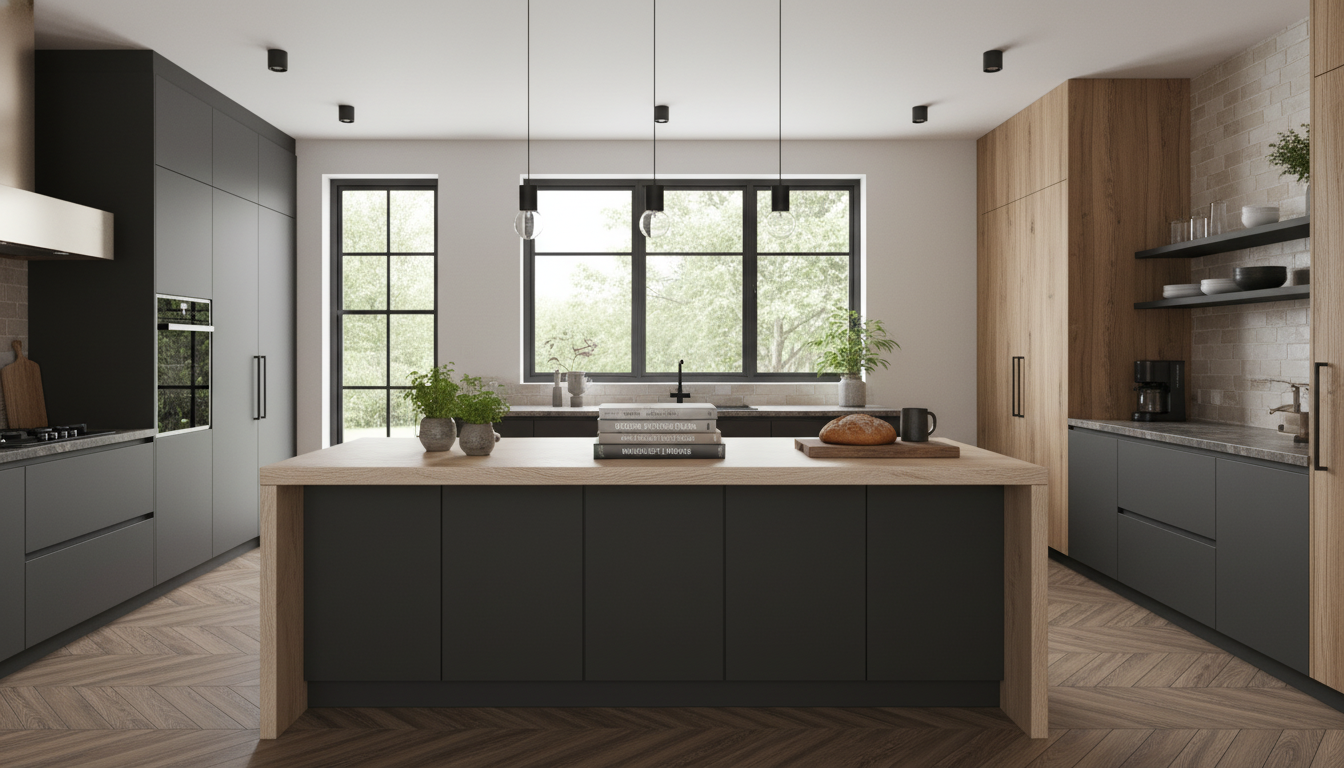
Inspiring Kitchen Interior Design Ideas: Modern, Rustic & Minimalist Plans with Smart Storage and Renovation Steps
A dream kitchen starts with a clear style direction, a layout that supports real routines, and storage that keeps surfaces calm. Modern, rustic, and minimalist kitchens can look very different, yet the most satisfying results come from the same practical decisions: flow, cabinetry, materials, lighting, and a renovation sequence that prevents do-overs.
Start with how the kitchen needs to work
Before picking finishes, map the everyday moments that happen in the room. List daily activities—quick breakfasts, weeknight cooking, baking projects, hosting, kids’ homework at the island, and coffee rituals—so the design supports what actually occurs, not an idealized version of it.
Next, identify friction points. Common ones include crowding at the fridge, no landing space near the oven, cluttered counters, and awkward trash placement that forces extra steps. Then prioritize the “big three” decisions early: layout (movement), cabinetry (storage), and lighting (comfort).
A simple success metric keeps choices focused: a clear prep zone, an uninterrupted cleanup zone, and a social/serving zone that doesn’t block cooking.
Choose a layout that matches space and habits
Layout is the backbone of kitchen interior design. Small rooms often succeed with a one-wall plan plus tall pantry storage. Galley kitchens are efficient for serious cooking when the aisle stays comfortable for two. L-shapes and U-shapes help define zones in open plans, while islands or peninsulas add seating, landing space, and a natural gathering spot—when clearances are planned carefully.
Layout ideas and what they do best
| Layout | Best for | Smart storage focus | Design watch-outs |
|---|---|---|---|
| One-wall | Studios, narrow rooms | Tall pantry cabinets, drawer bases | Layered lighting to avoid shadows; keep counter clutter minimal |
| Galley | Serious cooking, tight footprints | Deep drawers, pull-out trash, rail systems | Avoid dead ends; keep aisle comfortable for two |
| L-shape | Open-plan living | Corner solutions, drawer stacks near cooktop | Keep seating traffic away from prep zone |
| U-shape | Max storage and counter | Corner pull-outs, appliance garage, tray dividers | Allow door/drawer clearance; prevent cramped aisles |
| Island/Peninsula | Entertaining, families | Island drawers, pop-up outlets, recycling pull-outs | Maintain clearances; plan ventilation if cooktop is on island |
Modern kitchens: clean lines, high function
Modern kitchens shine when everything feels aligned and intentional. Choose slab or simple Shaker fronts, and consider discreet pulls or handle-less rails for a streamlined read. Quartz or sintered stone countertops handle busy households well, while matte or satin finishes help reduce fingerprints.
For color, warm whites, greige, charcoal, or two-tone lower cabinets create depth without visual noise. Keep the backsplash calm with large-format tile or a slab to minimize grout lines. For appliances, coordinated finishes or panel-ready fronts look tailored—especially when widths and heights line up in a consistent rhythm.
Rustic kitchens: warmth, texture, and lived-in character
Rustic style works best when it’s edited. Bring warmth through white oak, walnut, reclaimed accents, or wood-look cabinetry, and vary texture instead of piling on patterns. Signature details like exposed beams, open shelving with brackets, apron-front sinks, and vintage-inspired lighting give character quickly.
To prevent heaviness, pair rustic textures with simple cabinet profiles and clean countertops. For durability, choose sealed natural stone or quality composites, and use washable paint or wipeable wall finishes around the cook zone. Keep rustic cohesive by repeating one metal finish—black iron, aged brass, or brushed nickel—across hardware and fixtures.
Minimalist kitchens: fewer objects, better systems
Minimalist kitchens feel effortless when the systems are doing the work. Limit the palette to two or three materials and keep transitions crisp (cabinet-to-counter and counter-to-backsplash). Then invest in “hidden workhorses”: integrated trash/recycling, appliance garages, pull-out pantry storage, and interior drawer organizers.
Smart storage that makes every style feel calmer
Finishes and details that unify the room
Lighting plan: task, ambient, and mood
Accent lighting adds depth at night: toe-kick LEDs, glass cabinet lighting, or shelf lighting can make the kitchen feel finished. Add dimmers wherever possible and check placement so pendants don’t block sightlines across an island. For planning guidance, reference the NKBA Kitchen & Bathroom Planning Guidelines and consider energy-smart choices from the U.S. Department of Energy’s kitchen appliance resources. Proper ventilation also supports comfort and indoor air quality; the EPA’s indoor air quality information is a helpful starting point.
Renovation sequence that prevents expensive rework
Design inspiration in a single reference
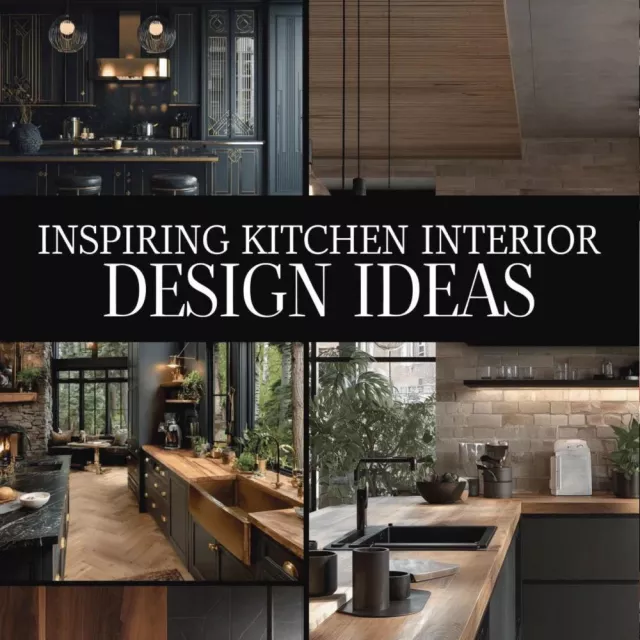
When comparing modern, rustic, and minimalist options, it helps to keep one reference that ties style to practical decisions like storage zones, landing areas, and lighting layers. For a curated, room-to-room planning companion, explore the Inspiring Kitchen Interior Design Ideas eBook, which organizes layouts, storage approaches, and renovation steps into an easy planning flow.
If the kitchen renovation is part of a broader home refresh, consider pairing functional planning with other comfort upgrades such as the Twin Size Upholstered Bed with LED Lights and Crown Headboard to create a more cohesive, updated feel across key rooms.
FAQ
How can a kitchen look minimalist without feeling cold?
Use warmer neutrals and add one natural material, such as wood or a lightly textured tile. Layer lighting (task plus ambient) and keep counters clear through hidden storage, not by stripping the room of personality.
What is the easiest storage upgrade that makes a big difference?
Switch lower cabinets to deep drawers where possible, and add a pull-out trash/recycling unit near the prep area. These two changes reduce counter clutter and cut down on extra steps during cooking.
Should an island include a cooktop or just prep space?
Base the choice on traffic flow and ventilation. Prep-only islands simplify venting and keep guests away from heat, while island cooktops work best when proper hood solutions and safe clearances are planned from the start.











Leave a comment