High-Pressure Multi-Pattern Spray Gun: Car Wash & Garden
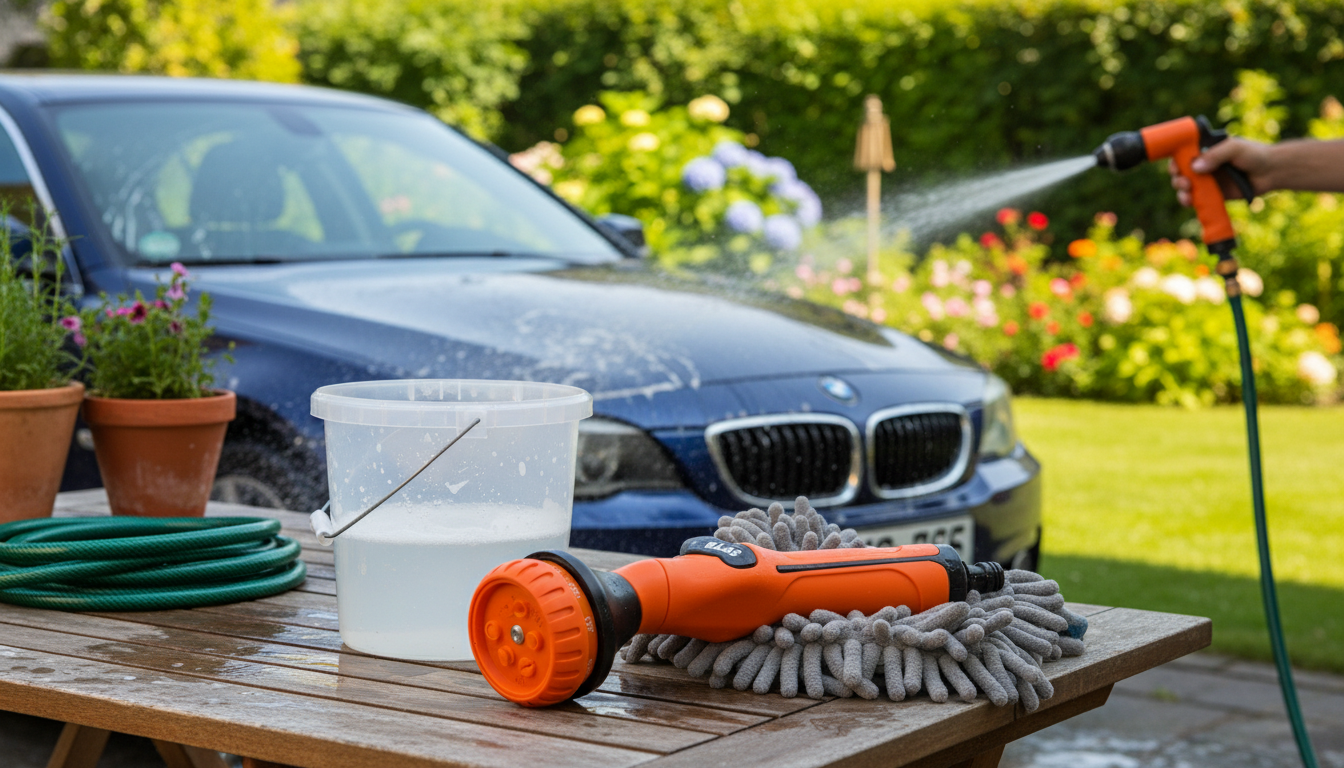
Multi-Functional High-Pressure Watering Spray Gun for Car Wash & Garden Irrigation
A versatile spray gun can simplify everything from rinsing soap off a vehicle to gently watering seedlings. The right pattern choice helps you clean faster, water more evenly, and avoid the “full-blast for everything” habit that wastes water and creates mess. Below is a practical guide to what this style of multi-pattern sprayer is designed to do, how to use it safely on cars and effectively in the yard, and how to keep pressure consistent over time. For more guidance, see Garden Hose Foam Gun.
What This Spray Gun Is Designed to Do
A multi-functional high-pressure watering spray gun is built for quick switching between spray patterns so you can match the job instead of overpowering it. For further reading, see [PDF] Irrigation Guide – Natural Resources Conservation Service – USDA.
- Switch between concentrated and wide sprays to match the task: quick rinses, targeted blasting, or soft watering.
- Cover two everyday use cases without changing tools: vehicle washing and garden/yard irrigation.
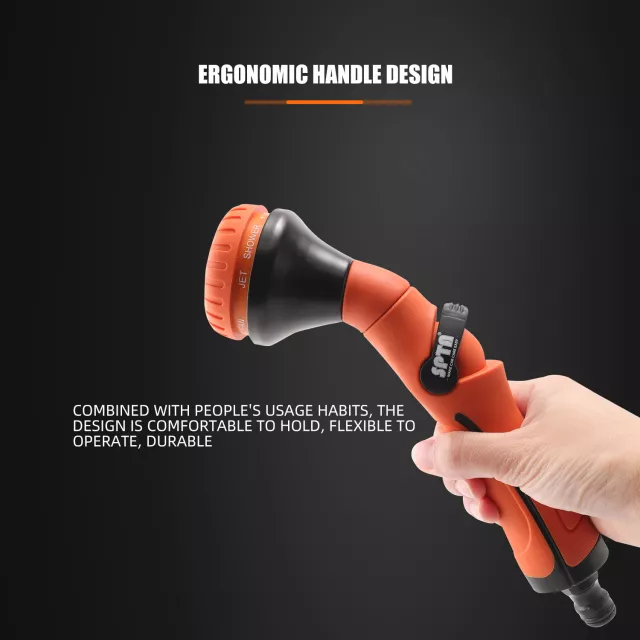
- Provide hand-controlled water flow with an ergonomic grip for steadier control during longer sessions.
- Help reduce overspray by choosing the right pattern instead of defaulting to maximum flow.
Car Wash Use: Safer Rinsing and Better Coverage
For car care, the goal is controlled pressure and even coverage—especially on paint. A multi-pattern nozzle helps you scale up power only where it’s truly helpful.
- Pre-rinse: Use a wider fan or mist to loosen dust and grit before contact washing.
- Wheel wells and mats: Use a stronger, narrower stream to dislodge debris (avoid spraying sensitive areas directly).
- Final rinse: Use a wide pattern to sheet water off large panels and reduce missed spots.
- Practical tip: Keep the nozzle moving and avoid holding a high-pressure stream too close to paint, trim, or decals.
Spray Patterns and Where They Fit Best
| Spray pattern | Best for car wash | Best for garden/yard | Notes |
|---|---|---|---|
| Jet/Stream | Rinsing wheel wells, clearing mud from tires, blasting stuck debris | Cleaning patio edges, spot-cleaning tools | Use briefly and avoid close-range on paint/soft trim |
| Fan/Wide | Pre-rinse panels, quick final rinse over large areas | Watering established plants, general yard rinse-down | Balances coverage and control |
| Shower | Gentle rinse over delicate areas | Watering flowers/seedlings | Lower impact on soil and petals |
| Mist | Light rinse, wetting surfaces before shampooing | Moistening soil surface, greenhouse-style watering | Best for delicate moisture, not for deep watering |
| Soaker/Soft flow | Rinsing microfiber, filling buckets (if applicable) | Deep soak near roots | Minimizes splash and runoff |
Garden Irrigation Use: Gentle Watering Without Wasting Water
In the garden, the best pattern is the one that gets water where it needs to go—without flattening blooms or sending soil down the driveway.
- Seedlings and flowers: Choose a shower or mist to prevent soil displacement and petal damage.
- Shrubs and beds: Use a wider pattern to cover more area evenly while minimizing runoff.
- Target watering: Use a more focused stream at the base of plants to reduce evaporation and keep foliage drier.
- Timing: Watering early morning typically reduces evaporation compared with midday heat.
For additional watering efficiency tips (especially in hot or windy conditions), see guidance from EPA WaterSense and UC Agriculture and Natural Resources.
Setup and Compatibility Checklist
A strong spray pattern won’t matter if the connection drips or the fitting wobbles. A quick setup check helps keep pressure consistent and prevents frustrating leaks.
- Confirm hose connection type and ensure a snug fit to prevent leaks at the coupler.
- Check that the spray gun’s threads/connectors match existing quick-connect fittings (or plan to use an adapter).
- If household water pressure is high, start with a wider pattern and lower flow to avoid splashing and overspray.
- After attaching, briefly test each pattern into a drain area to confirm smooth switching and consistent flow.
If you’re building a simple, ready-to-go setup, keep the sprayer stored with your hose, wash bucket, and a dedicated nozzle washer/O-ring so you can fix minor drips in minutes.
Comfort, Control, and Durability Features That Matter
A spray gun can look similar across models, but day-to-day comfort and reliability come down to small details you notice immediately once the hose is running.
Care and Maintenance for Consistent Pressure
Quick Buying Notes for This Model
- Product: Multi-Functional High-Pressure Watering Spray Gun for Car Wash & Garden Irrigation
- Best fit: Households that want one handheld sprayer for both vehicle rinsing and everyday watering tasks.
- Budget-friendly upgrade: Useful when a basic nozzle lacks pattern control or when watering needs to be gentler than a straight stream.
- Availability: Listed as in stock, with a straightforward grab-and-go role in car care kits and garden tool storage.
Other in-stock finds for around-the-house utility
- Men’s Genuine Leather Cowboy Belt with Copper Buckle for Jeans (a durable everyday belt option)
- Large Dog Slicker Brush & Comb Set for Doodles, Poodles and Long Coats (for pet grooming between baths)
FAQ
Will a high-pressure spray gun damage car paint?
It can if you use a tight jet too close to paint, trim, or decals. For panels, stick with wider fan/shower settings, keep the nozzle moving, and reserve the stronger stream for wheels or stubborn grime at a safer distance.
Which spray pattern is best for watering seedlings and flowers?
A shower or mist pattern is typically best because it reduces soil disruption and helps protect delicate petals. For deeper watering, aim a softer, steady flow at the base of the plant so moisture reaches roots instead of evaporating off leaves.
Why does my sprayer leak at the hose connection?
Most leaks come from a worn or missing washer/O-ring, a loose coupler, cross-threading, or incompatible fittings. Reseat or replace the washer, hand-tighten firmly (without forcing), and use the correct adapter or quick-connect if needed.














Leave a comment