Waterproof Tactical Vest Dog Harness for Better Control
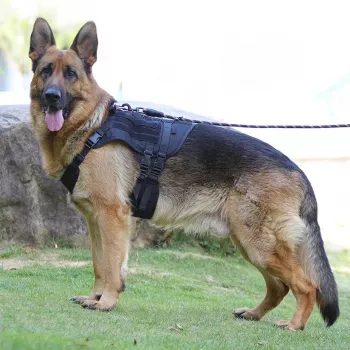
Waterproof Tactical Dog Harness with Adjustable Vest Design
A rugged, weather-ready harness can make walks and outdoor training calmer, safer, and more comfortable—especially for strong pullers, working breeds, and adventure dogs. An adjustable vest-style tactical harness adds stability across the chest and shoulders while offering secure attachment points and room for patches or small add-ons.
Why a vest-style tactical harness helps on busy walks
On crowded sidewalks, near traffic, or around other dogs, control and comfort matter as much as strength. A vest-style tactical harness is built to keep pressure off the neck while staying stable when a dog changes pace or direction.
- Distributes pressure across the chest and torso rather than concentrating force on the neck.
- Provides more control for guiding, turning, and steadying a dog in crowds or on uneven trails.
- Vest coverage can reduce strap shifting and rubbing compared with thin, narrow harness designs.
- Pairs well with training routines that require frequent leash on/off transitions.
For general harness guidance and safe fitting basics, the American Kennel Club (AKC) is a helpful starting point.
What “waterproof” means for dog gear in real use
“Waterproof” dog gear is less about your dog staying perfectly dry and more about the harness staying lighter, cleaner, and less smelly after wet conditions. A water-resistant outer surface helps moisture bead up and run off, which is a big deal on long walks or repeated outings.
- Helps shed rain, slush, and splashes so the harness doesn’t stay soaked for the whole walk.
- Reduces odor buildup compared with materials that hold water longer after outdoor use.
- Makes cleanup easier after muddy sessions—often a wipe-down is enough.
- Hardware and stitching still matter: strong seams and solid buckles help maintain integrity in wet conditions.
Even with a water-resistant shell, always check the D-rings, buckles, and stitching after wet hikes—grit and sand can work like sandpaper over time.
Fit and adjustability: getting a secure, non-restrictive vest fit
A tactical harness only performs well when it fits correctly. A secure fit prevents twisting and reduces the odds of backing out, while a non-restrictive fit protects shoulder movement and breathing.
- Measure chest girth at the widest point behind the front legs; compare with the size range before ordering.
- Aim for “two-finger” comfort: snug enough to prevent backing out, loose enough to avoid chafing and restricted breathing.
- Check shoulder freedom: the front panel should not press into the armpit area during walking or running.
- Re-check fit after a few outings—webbing can settle and fur compression can change how tight it feels.
- For dogs between sizes, prioritize chest fit first; neck/strap adjustments can fine-tune stability.
Quick fit check before every walk
| Checkpoint | What to look for | Fix if needed |
|---|---|---|
| Chest/torso snugness | Harness stays centered without sliding side to side | Tighten one increment; ensure two-finger space |
| Armpit clearance | No rubbing at the elbow/armpit when moving | Loosen/shift straps; adjust panel position |
| Neck and shoulder movement | Dog can sit, turn, and trot freely | Reposition front section; confirm correct size |
| Escape resistance | Dog can’t back out when gently guided backward | Tighten chest; confirm straps are even |
| Leash connection stability | Attachment point stays upright and doesn’t twist | Check strap symmetry; ensure buckles are fully locked |
Control options: front vs. back leash attachment
Many vest-style tactical harnesses include multiple attachment points, letting you choose how much steering you want based on the environment.
- Back attachment supports everyday walking, jogging, and hiking with a natural stride.
- Front attachment can reduce pulling by redirecting the chest and encouraging a turn back toward the handler.
- For strong pullers, pair the harness with consistent loose-leash training rather than relying on gear alone.
- Use a standard leash length for training sessions; avoid long lines in crowded areas where quick control is needed.
For training foundations that support leash manners (and safer handling around distractions), the ASPCA’s dog training basics offers practical reinforcement strategies.
Comfort and durability features that matter outdoors
Outdoor walks tend to amplify small fit problems: one rough seam, one shifting strap, one buckle that flexes under load. For active dogs, durability and comfort features aren’t “extras”—they’re what keep a harness wearable day after day.
Everyday use cases: from rain walks to trail days
If your dog has a longer coat, wet weather can also mean faster tangles—pairing walks with quick grooming can help. The Large Dog Slicker Brush & Comb Set for Doodles, Poodles and Long Coats is a convenient add-on for post-walk coat maintenance.
Care and maintenance for a longer-lasting harness
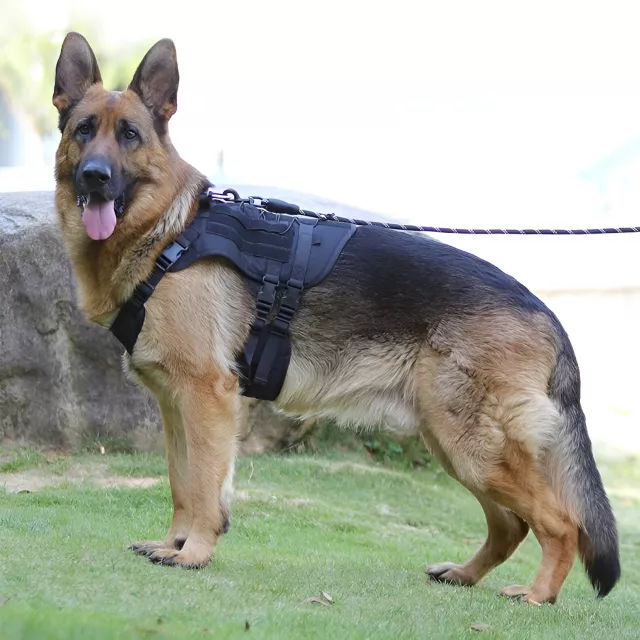
Waterproof Tactical Dog Harness with Adjustable Vest Design: product highlights
If you’re looking for a more structured, weather-ready option than a strap-only harness, the Waterproof Tactical Dog Harness with Adjustable Vest Design is built for active use and steadier handling.
FAQ
How tight should a tactical dog harness fit?
Aim for a snug fit that prevents shifting while still allowing normal breathing and full shoulder movement. Use the two-finger check under the straps and confirm there’s no rubbing at the armpit during walking.
Can a harness help stop pulling?
A front-clip attachment can help reduce pulling by redirecting your dog’s chest and encouraging them to turn back toward you. Results still depend on consistent loose-leash training and rewarding the behavior you want.
How do you clean a waterproof dog harness after mud and rain?
Rinse or wipe it down as soon as possible, using mild soap if needed, then air-dry it fully before storage. Regularly check stitching, buckles, and D-rings to make sure everything stays secure after wet, gritty outings.















Leave a comment