20 Reusable Microfiber Cloths for Streak-Free Glass
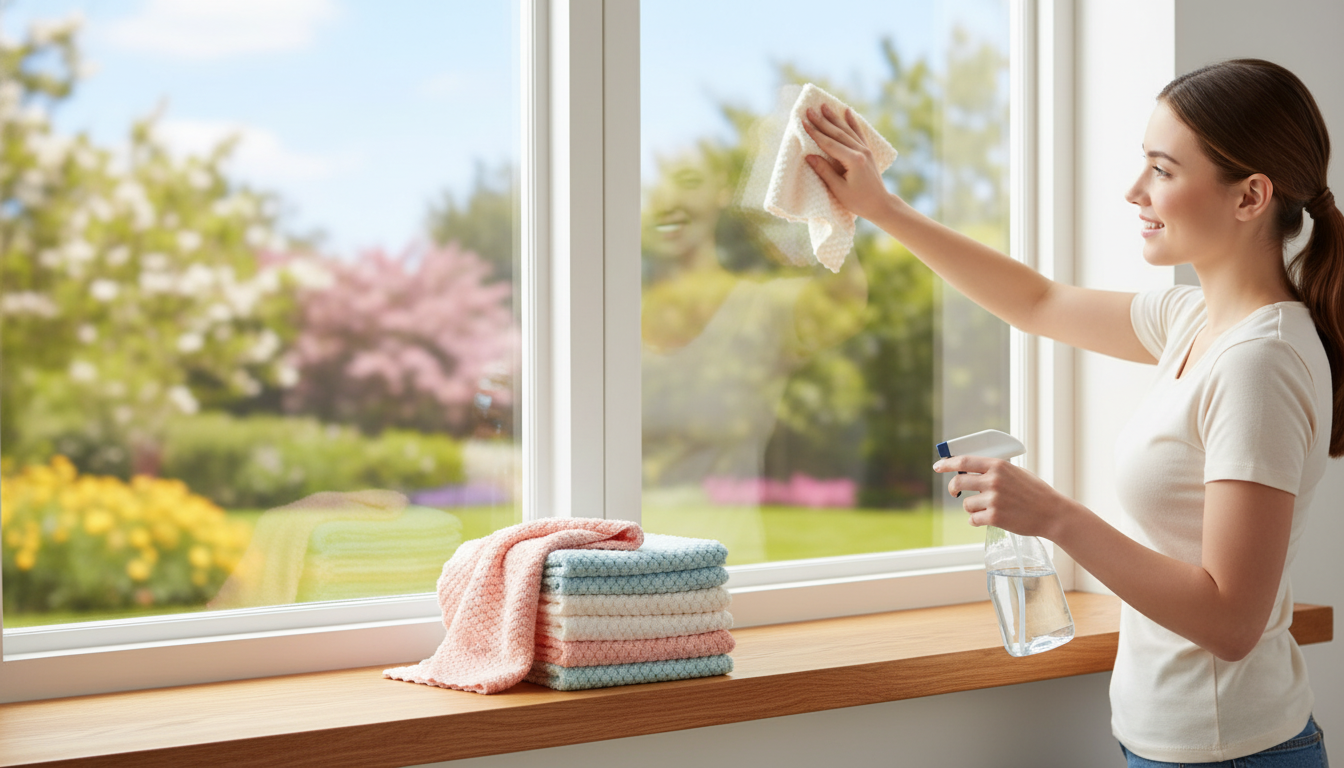
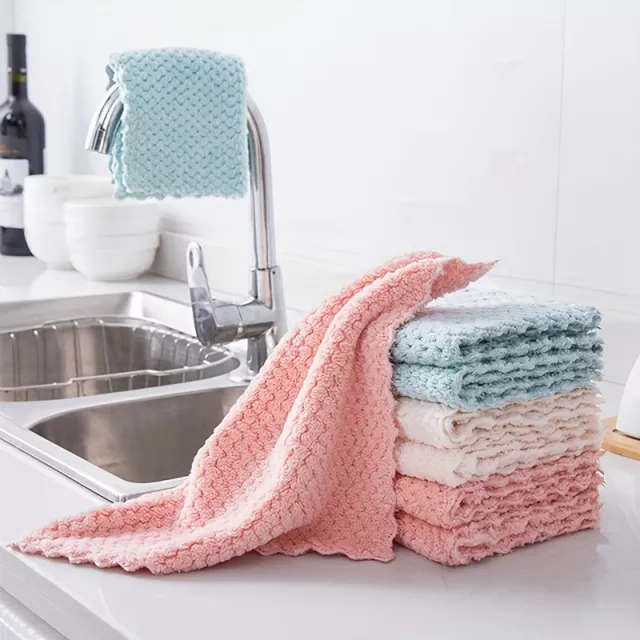
20-Piece Microfiber Cleaning Cloth Set for Kitchen, Windows, and Glass
A dependable set of microfiber cloths can replace stacks of paper towels while making everyday cleaning faster and less streaky. This 20-piece microfiber cloth set is designed for common home surfaces—from countertops and appliances to mirrors, windows, and glass—so daily wipe-downs stay simple, reusable, and low-mess. For more guidance, see Microfiber Cloths vs. Swedish Dishcloths Cleaning Comparison.
What’s Included and Why a 20-Pack Helps
A larger microfiber bundle makes it easier to keep cleaning “zones” separate while still having enough cloths for quick swaps during the week. For further reading, see weekend open thread – February 11-12, 2023 – Ask a Manager.
- 20 reusable microfiber cleaning cloths for rotating through kitchen, bathroom, and glass tasks
- More cloths on hand reduces cross-contamination (separate cloths for food surfaces, glass, and dusty areas)
- Easy to stash: keep a small stack under the sink, in the car, and near frequently cleaned rooms
- Reusable format supports routine cleaning without constantly restocking disposables
If you want a simple way to stock up on “grab-and-go” cloths, the 20Pcs Microfiber Cleaning Cloths – Reusable Kitchen, Window & Glass Cleaning Towels are set up for exactly that kind of rotation—one cloth for the job, another for the finishing pass, and a clean backup ready when the first one gets damp.
Where These Cloths Fit Best Around the Home
Microfiber is a good match for everyday smudges, light residue, and dust because it can pick up fine particles with minimal product. The key is assigning cloths by room or task so grime doesn’t travel.
- Kitchen: wipe counters, cabinet fronts, stovetops (after cooling), sinks, and small appliance exteriors
- Windows and glass: remove fingerprints and haze on mirrors, glass tables, and window panes
- Bathroom: quick wipe-downs on faucets, tiles, and vanity surfaces (use a dedicated set for bathroom only)
- Living spaces: dusting shelves, electronics exteriors, and baseboards with light pressure
- Car: interior touchpoints and glass (use separate cloths for exterior dirt to avoid scratching)
Streak-Reduced Glass Cleaning: A Simple Method
Glass is where microfiber tends to shine—especially when you avoid over-wetting the surface and finish with a dry buff. If streaks keep showing up, it’s usually because dust mixed with spray, or because the cloth got too damp mid-clean.
- Start dry: use a clean, dry microfiber cloth to remove dust first (dust + spray often becomes streaky residue)
- Light mist only: apply cleaner to the cloth or lightly to the glass; avoid soaking the surface
- Two-cloth approach: one cloth for cleaning pass, a second dry cloth for final buff
- Work top to bottom and finish edges/corners where cleaner can collect
- Change cloths when they feel damp—overly wet microfiber tends to smear rather than polish
Quick Surface Guide: Cloth Setup and Finish
| Surface | Best Approach | Finish Tip |
|---|---|---|
| Windows & mirrors | Two-cloth method (clean + dry buff) | Buff in overlapping passes; swap to a fresh dry cloth if smearing starts |
| Stainless steel | Wipe with the grain using a lightly damp cloth | Dry-buff to reduce water spots; avoid abrasive powders on the cloth |
| Countertops | Dedicated kitchen cloth; damp wipe then dry | Rinse cloth often to avoid spreading crumbs/grease |
| Glass tables | Dust first, then light cleaner | Final pass with a dry cloth for clarity |
| Bathroom fixtures | Separate bathroom-only cloths | Dry-buff chrome to reduce spotting |
Using Less Product: Microfiber and Everyday Messes
Microfiber cloths are often effective with just warm water because the fibers can grab fine debris instead of pushing it around. That helps cut down on how much spray cleaner is needed for routine touch-ups.
- Microfiber is designed to pick up fine particles and residue with less liquid than many standard rags
- For most daily wipe-downs, warm water is often enough; use a cleaner only for grease or stuck-on residue
- For greasy kitchen spots, pre-wipe with a damp cloth, then follow with a fresh cloth to avoid smearing
- Keep “clean” and “dirty” zones: one cloth for initial pickup, another for finishing
For guidance on smart, surface-appropriate cleaning habits (and when disinfecting is actually needed), references like the CDC’s cleaning and disinfecting recommendations can be helpful. If you’re trying to reduce chemical use overall, the U.S. EPA tips for greener cleaning offer practical ways to keep things clean with less product.
Care and Reuse: Keeping Cloths Effective
A microfiber cloth that’s “technically clean” but still loaded with oils is one of the fastest ways to get haze on mirrors and glass. Keeping a simple laundry routine for cloths helps maintain that crisp, clear finish.
Simple Routine for a Cleaner Week (Without a Big Reset Day)
Product Details at a Glance
- Product: 20Pcs Microfiber Cleaning Cloths – Reusable Kitchen, Window & Glass Cleaning Towels
- Good fit for: routine household wipe-downs, glass and mirror finishing, and everyday kitchen cleanup
- Value advantage: multi-cloth rotation supports cleaner task separation and consistent results
More Helpful Finds (In Stock)
- Men’s Genuine Leather Cowboy Belt with Copper Buckle for Jeans (a durable, wear-everywhere accessory)
- Large Dog Slicker Brush & Comb Set for Doodles, Poodles and Long Coats (for keeping coats tidy between grooming appointments)
FAQ
Can microfiber cloths clean glass without streaks?
Yes, especially with a two-cloth method: one lightly damp cloth for the cleaning pass and a second dry cloth for buffing. Avoid overspraying cleaner, and switch to a fresh dry cloth if smearing starts.
How should microfiber cleaning cloths be washed to keep them working well?
Wash them regularly, skip fabric softener and dryer sheets, and air-dry or tumble dry on low. Keeping microfiber separate from linty laundry helps maintain a clean finish on glass.
Is it safe to use the same cloth for the kitchen and bathroom?
It’s better to separate cloths by area to reduce cross-contamination. Use designated cloths for kitchen and food-contact zones and a different set for bathroom surfaces.















Leave a comment