20V Brushless 4‑in‑1 Cordless Rotary Hammer Drill Kit
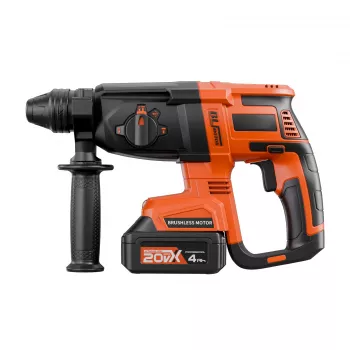
20V Cordless Brushless Rotary Hammer Drill Kit with 4-in-1 Function
A cordless rotary hammer is built for jobs where a standard drill struggles—especially drilling into concrete, brick, and block. This 20V brushless kit combines four operating modes into one tool, making it a practical pick for anchor holes, light chiseling, and everyday drilling tasks around the home or jobsite. If the goal is portability without running extension cords, a compact rotary hammer can be a noticeable upgrade in speed, control, and comfort for common masonry tasks.
What a 4-in-1 rotary hammer is used for
A 4-in-1 rotary hammer is designed to switch quickly between drilling and chiseling work. That flexibility matters when a project includes both fastener holes and small cleanup tasks (like knocking down high spots or removing tile).
- Rotary hammering for fast drilling in concrete, masonry, and stone—ideal for anchors, Tapcon-style fasteners, and conduit straps.
- Hammer-only mode for light chiseling tasks like removing tile, chipping mortar, or flattening minor ridges in concrete.
- Rotary drilling mode for wood, metal, plastics, and general-purpose holes when hammering is unnecessary.
- Chisel angle/position setting (varies by design) to place a chisel at a usable working angle before chiseling.
- Typical users: DIY remodels, small repair crews, apartment maintenance, and anyone needing cordless mobility.
Mode guide: when to use each function
| Mode | Best for | Typical accessories | Tips to avoid mistakes |
|---|---|---|---|
| Rotary hammer | Drilling anchor holes in concrete/brick/block | Masonry bit (often SDS-style on rotary hammers) | Let the tool do the work; excessive pressure slows drilling and increases vibration |
| Hammer-only | Light chipping, tile removal, mortar cleanup | Flat chisel, point chisel | Wear eye protection; keep hands clear of the chisel path and edges |
| Rotary drill | Wood/metal/plastic drilling | Twist bits, spade bits, hole saws (with correct adapter/chuck if needed) | Switch off hammering to reduce bit wear and improve accuracy |
| Chisel positioning | Setting chisel orientation before chiseling | Chisels compatible with the tool | Lock the angle before applying force; re-check orientation as you work |
Brushless motor benefits in a cordless rotary hammer
In a cordless rotary hammer, a brushless motor is a strong match for demanding materials because it manages power efficiently and avoids brush wear. While runtime always depends on bit size and material density, brushless designs typically make better use of each charge.
- Efficiency that can translate to longer runtime per charge compared with brushed designs.
- Lower maintenance since there are no carbon brushes to replace.
- More consistent power under load, helpful when drilling multiple holes in dense concrete.
- Cooler operation during sustained work, which can reduce thermal shutdowns during repetitive drilling.
- Better fit for compact cordless tools where battery capacity is a limiting factor.
Performance and comfort features to look for
Rotary hammers can feel similar at a glance, but the user experience changes fast when drilling overhead, working on a ladder, or repeating anchor holes all day. A few practical features help keep holes clean and fatigue manageable.
- Impact energy and blow rate: these influence drilling speed and how confidently the tool chips; match output to the hole size and quantity planned.
- Variable speed control: a controllable trigger helps start holes without skating on smoother masonry surfaces.
- Vibration management: a solid auxiliary handle and balanced layout improve control, especially when the bit catches.
- Weight and size: lighter tools maneuver easily in tight spaces; heavier tools may feel steadier but can tire arms faster.
- LED light and depth stop (if included): helpful for consistent anchor depth and dim corners.
Getting clean holes in concrete and masonry
Clean holes don’t just look better—they help anchors seat correctly and reduce frustration from binding or wandering bits.
Battery and charging considerations for a 20V cordless kit
Safety essentials for drilling and chiseling
- Eye and hearing protection: use ANSI-rated eye protection and hearing protection. For eye/face protection guidance, see ANSI/ISEA Z87.1 overview.
- Control silica dust: concrete drilling can generate respirable crystalline silica; follow exposure-reduction practices and jobsite rules. Reference: OSHA’s silica standard (construction).
- Check what’s behind the surface: avoid wiring, plumbing, and embedded metal when possible.
- Use the auxiliary handle: better leverage reduces the risk of losing control if the bit binds.
- Stable footing: secure workpieces and be cautious on ladders or when drilling overhead.
Care, storage, and bit upkeep
Who this kit fits best
In-stock picks
- 20V Cordless Brushless Rotary Hammer Drill Kit with 4-in-1 Function ($115.47)
- Men’s Genuine Leather Cowboy Belt with Copper Buckle for Jeans ($72.51)
FAQ
What is the difference between a hammer drill and a rotary hammer?
A rotary hammer uses a piston-style mechanism that delivers stronger impacts, usually drilling concrete faster and with less effort. A hammer drill relies on a clutch-like action that’s better suited to lighter masonry drilling and general drilling tasks.
Can a rotary hammer drill through wood and metal?
Yes—use rotary-only mode with the appropriate bits, and use the correct adapter or chuck if required by the tool’s bit interface. Turn hammering off for wood and metal to improve accuracy and reduce bit wear.
How do you choose the right drill bit for concrete anchors?
Match the bit diameter to the anchor manufacturer’s specification and use the correct bit system (many rotary hammers use SDS-style bits). Drill to the recommended depth, clear dust during drilling, and verify requirements for the specific anchor being installed.















Leave a comment