46-Inch Modern Lift-Top Coffee Table With Hidden Storage
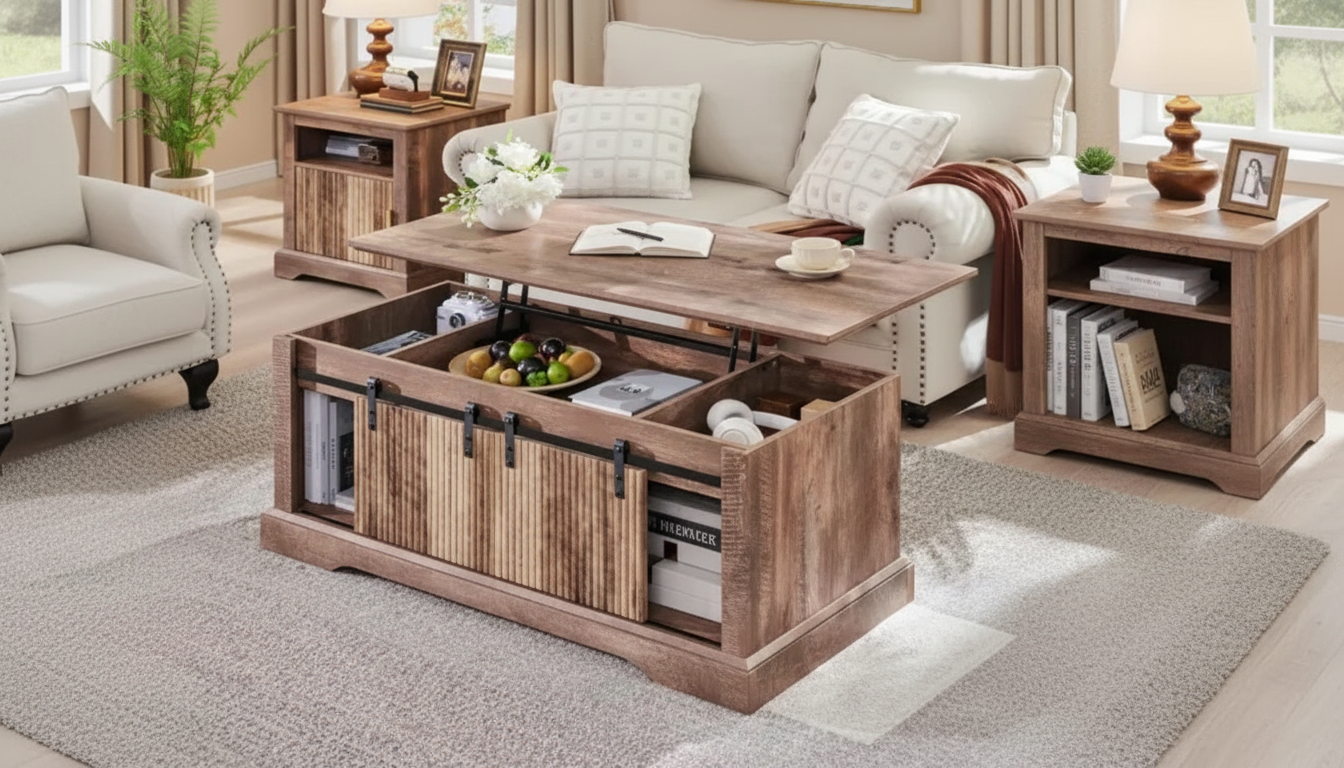
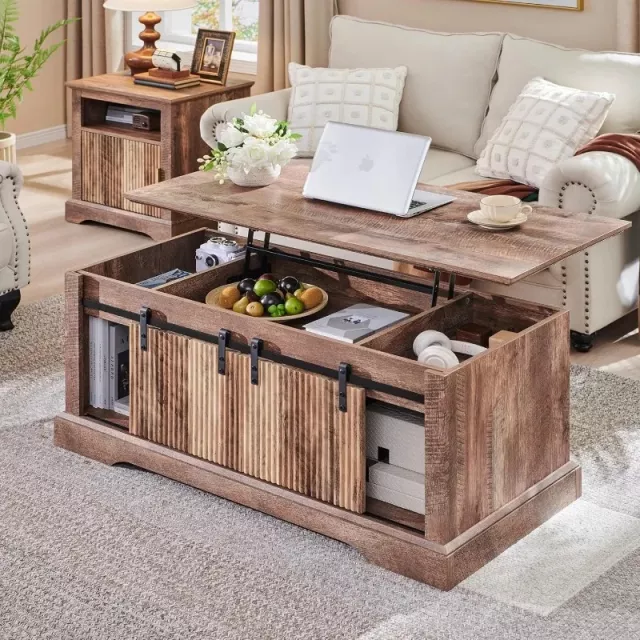
46″ Modern Lift Top Coffee Table with Adjustable Storage & Hidden Compartment
A lift-top coffee table can turn a living room into a flexible space for dining, working, and relaxing—without adding extra furniture. This 46-inch modern design pairs a smooth lift mechanism with adjustable storage and a concealed compartment to keep everyday essentials close, but out of sight. For more guidance, see Tired of Clutter? Coffee Table with Highly Smart Storage Solves It All!.
What Makes a Lift-Top Coffee Table So Useful
Most living rooms do more than one job, and a lift-top coffee table supports that reality without making the room feel crowded. Instead of dedicating space to a desk, sideboard, or extra shelving, the lift surface and built-in storage help one piece carry the workload. For further reading, see This Coffee Table with Hidden Storage Will Revolutionize Your ….
- Transforms from a standard coffee table into a raised surface for laptops, meals, or board games.
- Helps reduce clutter by giving items a “home” instead of living on the tabletop.
- Makes small spaces feel bigger by combining multiple functions in one footprint.
- Supports tidier routines: store remotes, chargers, coasters, and reading materials after use.
If you want a living room that can switch from “weekday practical” to “weekend guest-ready” quickly, a lift top is one of the simplest upgrades.
Modern Design Details That Fit Everyday Rooms
Clean lines matter in a high-traffic room. A modern coffee table with a streamlined silhouette blends into the background when you want calm, and still looks intentional when the room is styled.
- Clean-lined, contemporary look designed to blend with modern, minimalist, and transitional interiors.
- A 46-inch length offers a balanced presence for most sofas without overwhelming the seating area.
- Pairs well with neutral rugs, textured throws, and mixed materials (metal, wood, or upholstery).
- Works as a visual anchor in open-plan living rooms where storage needs to look intentional.
For a cohesive feel, aim for one “quiet” anchor piece (like the coffee table) and layer warmth with textiles—woven baskets, soft throws, and a rug that adds texture without visual noise.
Storage That Adapts: Adjustable Compartments + Hidden Space
The biggest difference between a basic coffee table and a lift-top model is how it handles daily clutter. Adjustable storage lets you group items by height and how often you use them, while the hidden compartment gives you an out-of-sight zone for anything that reads as messy.
- Adjustable storage helps organize items by height and frequency of use.
- Hidden compartment keeps valuables and visual clutter out of sight (controllers, notebooks, mail, small electronics).
- A lift-top surface can expose storage quickly, making cleanup fast before guests arrive.
- Good fit for shared spaces: separate “zones” for work accessories, entertainment items, and daily living.
A practical approach is to reserve the most accessible area for “everyday grabs” (remote, coasters), and keep the hidden compartment for visual clutter (charging cables, spare batteries, mail). That way, the top of the table stays clear enough for a tray, a book, or a simple centerpiece.
Lift Mechanism: Comfort, Clearance, and Daily Use
A lift-top shouldn’t feel fussy. The best everyday experience comes from steady motion, comfortable height, and enough clearance to open the top without rearranging the whole room.
- Lift-top height brings the surface closer to seated users, improving comfort for typing or eating on the sofa.
- Look for steady motion and controlled closing to avoid pinched fingers and slamming.
- Consider clearance around the table: leave enough space for the top to raise without bumping nearby seating.
- Best habits: keep heavier items centered when lifting; avoid leaning on the raised top.
For anyone using the lift top as a work surface, it’s also worth knowing that general-purpose furniture stability and performance standards exist in the industry. While not every coffee table is tested the same way as office furniture, reviewing standards organizations can help you understand what “good build practices” aim to achieve. See the overview of ANSI/BIFMA standards for context on durability and safety expectations.
Sizing and Placement Guide for a 46-Inch Coffee Table
A 46-inch coffee table typically lands in the “just right” zone for many living rooms—large enough to be functional, but not so big that it blocks movement. The key is to balance reach, legroom, and walkways, especially if the lift top will be raised often.
Quick Placement Targets (Common Living Room Guidelines)
| What to measure | Comfortable target | Why it matters |
|---|---|---|
| Distance from sofa edge to table | About 14–18 inches | Easy reach without bumping knees |
| Walkway clearance around table | About 24–36 inches (as space allows) | Safer traffic flow in tight rooms |
| Coffee table length vs. sofa | Roughly 1/2 to 2/3 of sofa length | Balanced proportions and better usability |
Care and Setup Tips for Long-Lasting Performance
Best Uses by Lifestyle
Shop In-Stock Picks
- 46″ Modern Lift Top Coffee Table with Adjustable Storage & Hidden Compartment
- Twin Size Upholstered Bed with LED Lights and Crown Headboard
FAQ
Is a lift-top coffee table stable enough for working on a laptop?
It can be, as long as the lift mechanism is designed for steady motion and the table is assembled tightly. Keep heavier items centered on the raised top, avoid leaning your weight on the lifted surface, and re-tighten hardware after the first weeks of use.
What should go in the hidden compartment versus the adjustable storage area?
Use the hidden compartment for items that look cluttered or feel personal, like mail, chargers, and small electronics. Keep the adjustable storage for frequently used items that benefit from organization—remotes, coasters, books, and notebooks.
How much space should be left between a sofa and a coffee table?
A practical target is about 14–18 inches from the sofa edge to the table. If your room is tight or you have a main walkway nearby, adjust slightly to preserve comfortable traffic flow.













Leave a comment