7-Color LED Neck & Face Massager: 4 Modes Guide
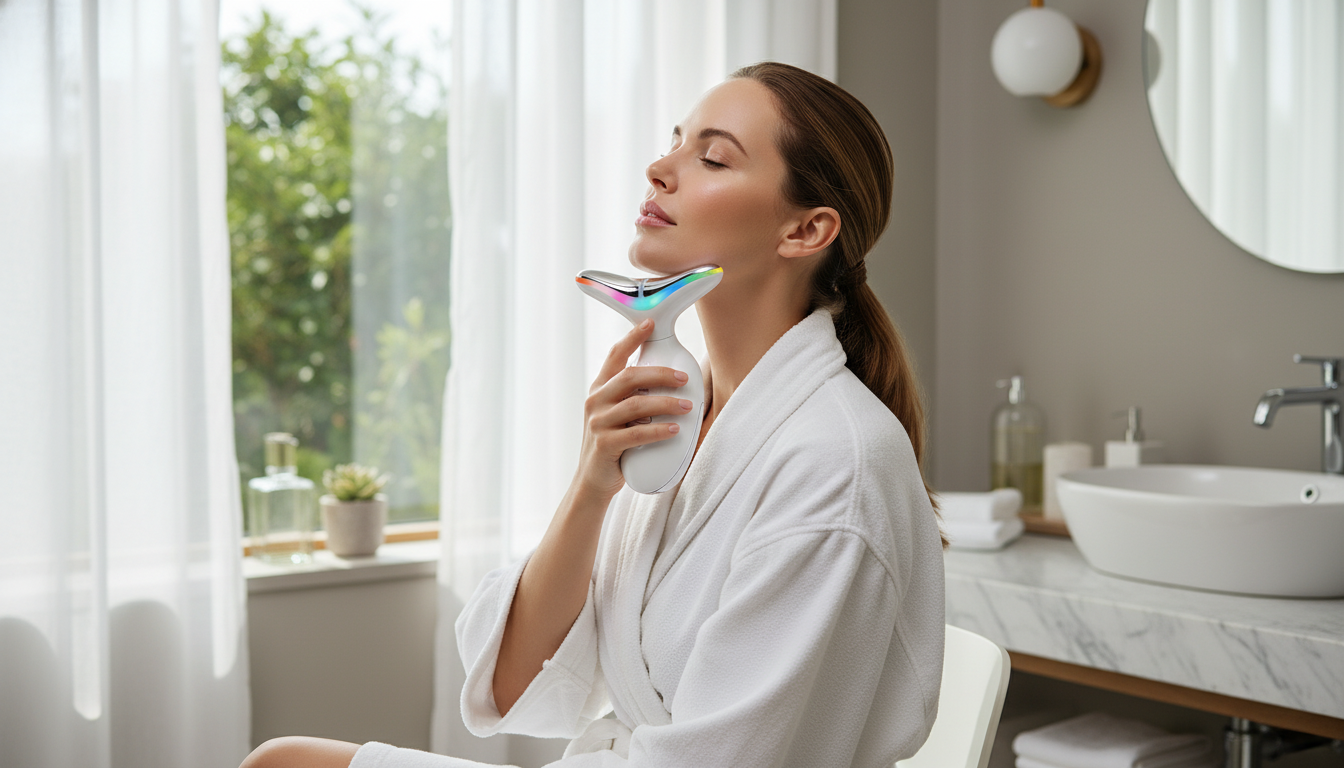
7-Color LED Neck & Face Sculpting Massager: 4 Modes for Lifting & Rejuvenation at Home
A neck and face sculpting device can help support a firmer-looking, refreshed complexion through consistent, gentle use. A 7-color LED neck & face massager combines targeted massage with light-based skincare support, giving you a simple way to build a repeatable routine without adding complicated steps. Below is a practical guide to what it’s designed to do, how the LED colors and 4 modes typically fit into a week, and how to use it comfortably and safely. For more guidance, see 11 Best Red Light Therapy Tools of 2026, Tested And Reviewed.
What This Neck & Face Sculpting Massager Is Designed to Do
Neck and jawline concerns often show up as “tired-looking” skin: puffiness, a softer-looking contour, or a dull finish that makeup can’t fully fix. This style of at-home device focuses on steady, manageable sessions rather than one intense treatment. For further reading, see 9 Best Face Massager Tools to Instantly Depuff and Define | Allure.
- Supports a more lifted-looking appearance along the jawline, cheeks, and neck with targeted massage and light-based skincare support.
- Helps reduce the look of fatigue by encouraging a smoother, more refreshed look over time.
- Made for quick sessions that fit into morning or nighttime skincare without complex setup.
- Works best as a consistency tool: small sessions several times per week tend to feel more sustainable than long, infrequent sessions.
For many routines, the biggest “win” is not an overnight transformation—it’s a steady improvement in how the skin looks after cleansing, before makeup, and in photos taken under consistent lighting.
7-Color LED: How Light Options Typically Fit Into a Routine
LED light options are commonly used in beauty devices to support different skincare goals, such as a brighter-looking tone, a calmer-looking complexion, or clearer-looking skin. LED should feel comfortable; stop use if you notice heat, stinging, or irritation. Keep the device positioned as directed and avoid shining light directly into the eyes (keeping eyes closed is a good default during facial passes).
LED is also not a substitute for core skincare habits. Daily sunscreen, gentle cleansing, and moisturization are the foundation that makes any tool easier to tolerate and more likely to look “worth it” over time. For background on LED therapy in cosmetic routines, see the American Academy of Dermatology Association overview.
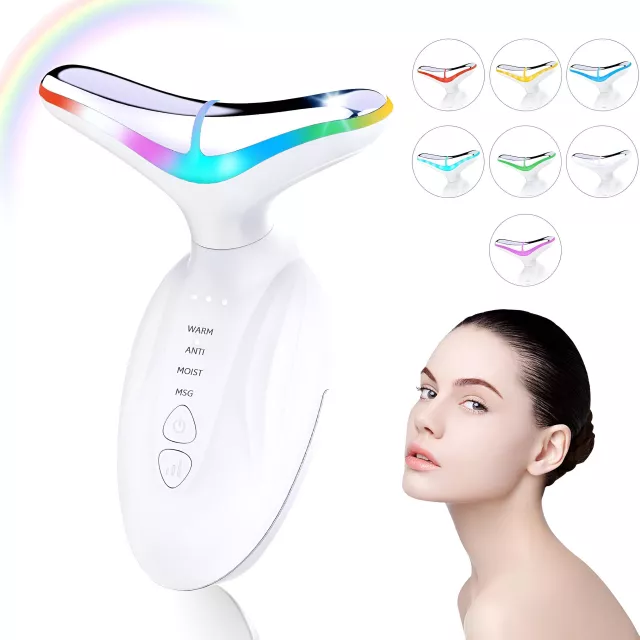
| LED color | Common goal in beauty routines | Where it’s often used |
|---|---|---|
| Red | Supports a firmer-looking, revitalized appearance | Neck, jawline, cheeks |
| Blue | Supports the look of clearer skin | T-zone, breakout-prone areas |
| Green | Supports a more even-looking tone | Cheeks, areas with visible discoloration |
| Yellow/Amber | Supports a calmer-looking complexion | Sensitive-looking areas |
| Purple | Often used as a combined-balance option | Face and neck |
| Cyan | Used for fresh, bright-looking skin routines | Cheeks and jawline |
| White | General-use brightness/overall tone support | Face and neck |
Understanding the 4 Modes (How to Match Them to Your Skin Day)
A multi-mode device makes it easier to tailor sensation and intensity to how your skin feels that day. The goal is comfort and consistency—pushing too hard or choosing the most intense setting every time can lead to temporary redness or sensitivity that interrupts your routine.
- A multi-mode device helps adjust intensity and sensation for different needs (energizing, relaxing, or targeted sculpting).
- Use lighter settings when skin feels reactive, dry, or after stronger actives (retinoids, exfoliating acids).
- Use more intensive modes on days focused on contour support (jawline/neck), staying within comfortable pressure.
- Consistency matters more than maximum intensity; overdoing it can lead to temporary redness or sensitivity.
If you’re comparing device-based facial routines in general, the Cleveland Clinic offers helpful context on at-home facial device safety and what sensations are typical versus a sign to scale back: Microcurrent facial: benefits and safety.
How to Use It: Step-by-Step for Neck and Face
For most people, the best sessions feel smooth and controlled—no dragging, no aggressive pressure, and no rushing through areas that tend to be sensitive.
If you’re using any device that emits light, general light-device safety guidance is also worth reviewing through the FDA’s consumer information on radiation-emitting products: U.S. FDA—sunlamp and sunlamp products.
Example weekly schedule (balanced and realistic)
Who It’s For (and When to Be Cautious)
What Results Can Look Like (Realistic Expectations)
Product Snapshot: 7-Color LED Neck & Face Sculpting Massager
Shop the device here:
7-Color LED Neck & Face Sculpting Massager with 4 Modes for Skin Lifting & Rejuvenation.
More In-Stock Picks
- Men’s Genuine Leather Cowboy Belt with Copper Buckle for Jeans
- Large Dog Slicker Brush & Comb Set for Doodles, Poodles and Long Coats
FAQ
How often should a LED neck and face massager be used?
A moderate cadence like 3–5 times per week is a comfortable starting point for most routines. Keep sessions short (about 5–8 minutes) and adjust intensity based on how your skin feels; consistency usually matters more than pushing the strongest setting.
Can LED therapy be used with vitamin C or retinol?
A practical order is cleanse, use the LED/massage on clean skin with a slip product if needed, then apply vitamin C or retinol afterward if your skin tolerates it. On retinol or exfoliation days, consider a gentler mode (or fewer passes) to avoid irritation.
Is it safe to use a neck massager near the throat?
Avoid direct pressure on the front of the throat/thyroid area. Use light upward strokes along the sides of the neck and toward the jawline, and stop if you feel discomfort, dizziness, or unusual sensitivity.









Leave a comment