Buildable STEM Crane Toy: Kids Engineering Vehicle
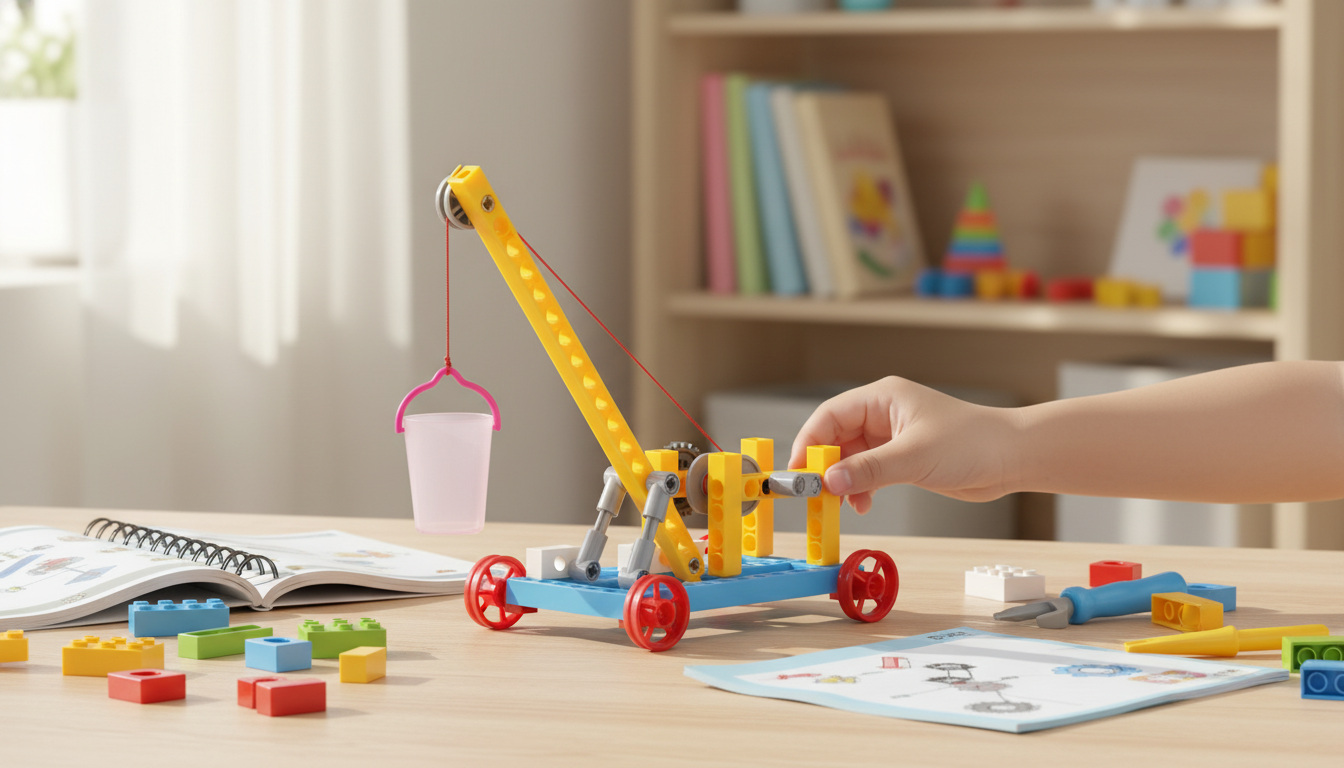
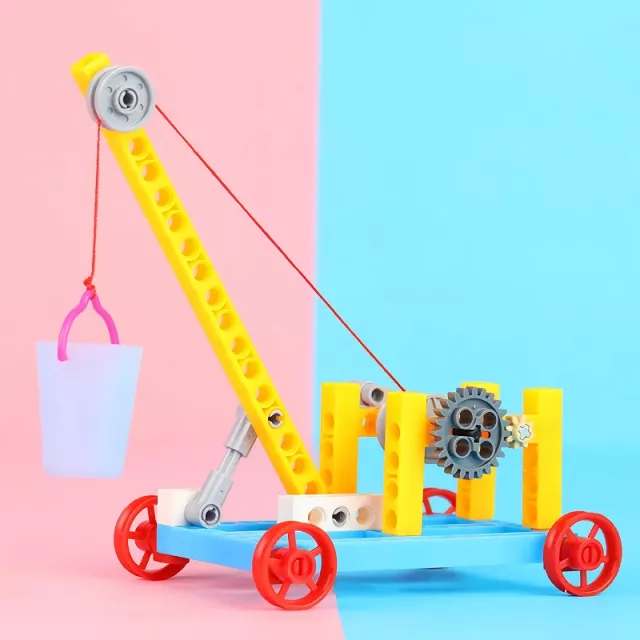
STEM Crane Engineering Toy for Kids – Educational Science Vehicle
A crane vehicle that kids can build and operate turns playtime into hands-on engineering. This STEM crane set blends construction, simple machines, and problem-solving into a project that feels like a real jobsite—while helping children practice patience, planning, and cause-and-effect thinking. For families looking to add more “do, test, tweak” learning at home, a buildable crane offers a satisfying mix of model-building and motion-based play.
If you’re shopping for a build-and-play kit that keeps kids engaged beyond the first assembly, take a look at the STEM Crane Engineering Toy for Kids – Educational Science Vehicle.
What Makes a Crane Toy a Strong STEM Project
A crane vehicle is more than a cool construction truck—it’s a moving demonstration of how parts work together. Because the action is visible (lift, rotate, lower), kids can immediately connect what they built to what the machine does.
- Build-and-play format: Following steps, checking fit, and correcting mistakes encourages careful sequencing and attention to detail.
- Simple machines in action: Crane play naturally highlights mechanics like levers and pulley-style lifting through real movement and load handling.
- Open-ended engineering: “Lift, carry, place” tasks invite kids to experiment, adjust angles, and reason through what changed.
- Role-play with purpose: A construction theme supports storytelling and cooperation—especially in group play, playdates, or classroom centers.
To connect play with real-world careers, resources like ASME’s overview of mechanical engineering help explain how everyday machines inspire problem-solving and design.
Quick Facts at a Glance
- Designed as an educational science vehicle toy that combines building and motion-based play.
- Works well as a gift for kids who enjoy construction vehicles, tinkering, or hands-on kits.
- Best results come from using it on a flat surface with clear space for moving the crane and placing small objects.
STEM Crane Toy Overview
| Feature | What it Supports | Play Tip |
|---|---|---|
| Crane lifting mechanism | Cause-and-effect learning and basic mechanics | Try lifting different small items to compare stability |
| Engineering-style build | Sequencing, attention to detail, and persistence | Pause at each step to confirm alignment before continuing |
| Vehicle-based play | Imaginative scenarios and cooperative play | Create a “jobsite” with blocks or books as buildings |
| Hands-on problem solving | Testing, revising, and learning from mistakes | Challenge kids to reduce wobble or improve reach |
Skills Kids Practice While Building and Operating
Crane toys tend to “stretch” learning because kids build the system and then operate it—so they experience both structure and function. That combination supports several core skills that show up in STEM classrooms and maker activities.
- Fine-motor control: Connecting components, tightening fits, and handling small parts strengthens hand control and precision.
- Spatial reasoning: Kids learn how the boom reaches, how parts align, and how weight shifts as the load moves.
- Early engineering habits: Plan → assemble → test → adjust becomes a natural loop, without pressure.
- Confidence through iteration: Fixing small issues—misalignment, balance, limited reach—builds resilience and patience.
- Teamwork and communication: Taking turns and explaining “why it tipped” or “why this angle works” builds collaboration skills.
Programs that focus on design thinking for kids, such as Engineering is Elementary, emphasize that testing and improving are part of real engineering—exactly the mindset a buildable crane encourages.
Easy Learning Challenges to Try at Home
A few quick “missions” can turn free play into meaningful practice while still feeling like a game. Keep challenges short, celebrate attempts, and let kids propose their own rules after the first round.
- Lift-and-place course: Mark a start and finish zone; move items between zones without tipping.
- Reach challenge: Place targets at different distances and see what boom positions work best.
- Stability experiment: Compare lifting an item close to the base versus farther out; talk about why balance changes.
- Time trial with accuracy: Move three items quickly, but only counts if each lands inside a “safe zone.”
- Story-based mission: “Build a bridge,” “clear rubble,” or “deliver supplies” using books or blocks as the landscape.
Who It’s For and When It Shines
Safety, Setup, and Care
A Gift That Combines Play and Practical Learning
For broader context on why science and engineering activities matter early on, the AAAS STEM education resources highlight the value of building curiosity, problem-solving, and foundational skills over time.
More In-Stock Gift Ideas (Available Now)
- STEM Crane Engineering Toy for Kids – Educational Science Vehicle (a hands-on build with moving crane action)
- Men’s Genuine Leather Cowboy Belt with Copper Buckle for Jeans (a practical add-on if you’re bundling a kid gift with something for a parent)
- Large Dog Slicker Brush & Comb Set for Doodles, Poodles and Long Coats (a helpful pick for pet households putting together a “family gifts” order)
- Twin Size Upholstered Bed with LED Lights and Crown Headboard (a bigger-ticket room upgrade if you’re planning a themed kids’ space)
FAQ
What does a STEM crane toy teach kids?
It introduces simple machines (like levers and pulley-style lifting), cause-and-effect, and basic mechanics through visible movement. Kids also practice sequencing, spatial reasoning, and problem-solving as they build, test, and adjust how the crane operates.
What age is this type of engineering crane set best for?
It depends on the build complexity and whether there are small parts, but many kids do best with adult help when they’re younger and can work more independently as they get older. If a child enjoys step-by-step building sets already, they’re usually ready for this style of project.
How can parents make the crane toy more educational without making it feel like homework?
Use quick, playful missions like “deliver supplies” or “clear rubble,” and simple experiments like lifting close to the base versus farther out. Ask kids to explain what they changed and what happened—keeping it short and game-like.














Leave a comment