Butt-Lifting Yoga Jumpsuit: Fit, Support & Style Tips
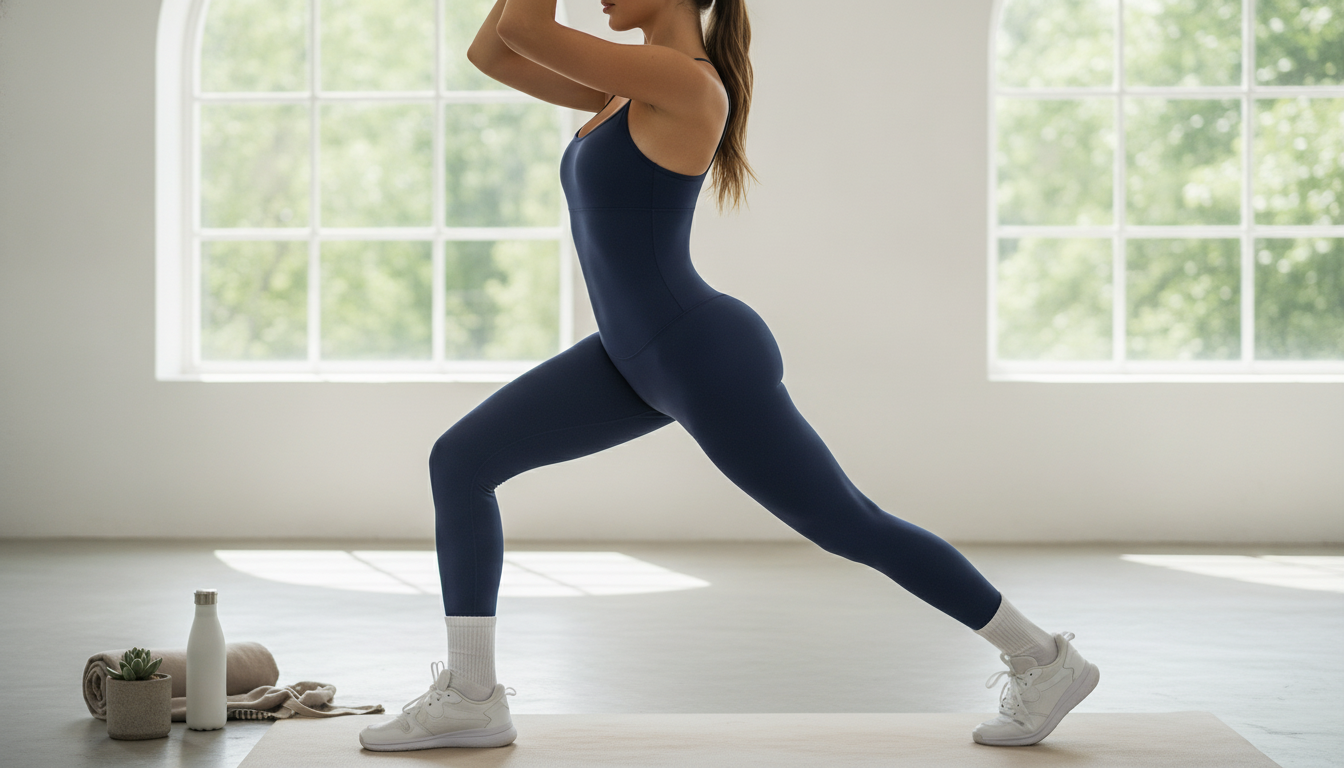
Women’s One-Piece Yoga Jumpsuit with Butt-Lifting Support
A one-piece activewear jumpsuit streamlines getting dressed for training while offering a smooth, held-in feel through the waist, hips, and thighs. The right butt-lifting jumpsuit can look flattering without feeling restrictive—especially when you’re moving through deep lunges, forward folds, and transitions that demand real stretch and recovery. Below, you’ll find what creates that “lifted” look, how to check fit fast at home, how to style a one-piece beyond the studio, and the care habits that help the fabric keep its shape.
What Makes a Butt-Lifting One-Piece Feel Supportive
A butt-lifting effect usually comes from smart construction—not padding or stiff shaping. When the fabric and seams work with your body, the jumpsuit stays aligned through squats, lunges, and floor work while keeping a smooth silhouette.
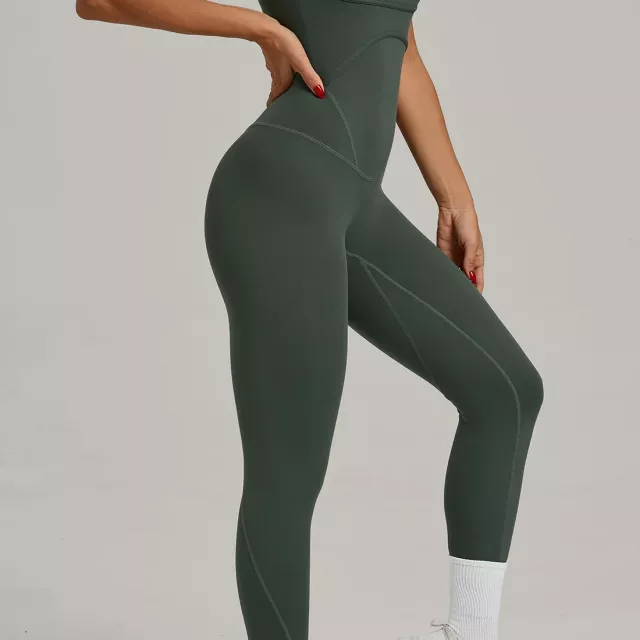
- Contour seaming and strategic panels: Curved seams and targeted panel placement can visually enhance the glutes and help keep the fabric from shifting during squats and step-backs.
- A supportive waistband: A secure waistband helps create a “held” midsection feel and can reduce rolling or sliding when you move between poses.
- Four-way stretch with strong recovery: Stretch is only half the story; recovery is what helps prevent bagging at the knees and seat after repeated wear.
- Snug yet breathable compression: The best one-pieces feel supportive without limiting hip flexion—important for pigeon pose, deep lunges, and forward folds.
Fit and Comfort Checklist for Yoga, Pilates, and Training Days
Because it’s one piece, fit needs to work in multiple directions: shoulder-to-crotch length, waist placement, and seat shaping all matter. A great jumpsuit should feel secure standing still and stay comfortable when you start moving.
- Torso length matters: A too-short torso fit can pull at the shoulders; a too-long fit can leave extra fabric at the lower back that shifts during practice.
- Check the glute area in a mirror: It should sit smoothly with no flattening at the center seam and no gaping at the upper seat when standing.
- Match the feel to the workout: For yoga, prioritize softness and freedom of movement; for HIIT or strength days, prioritize compression and a “locked-in” waistband.
- Do a quick movement test: Try a deep squat, forward fold, overhead reach, and a twist to catch sheerness, slippage, or pinching before committing.
Quick Fit Test (60 Seconds at Home)
| Move | What to Look For | If It Fails |
|---|---|---|
| Deep squat | Waistband stays put; fabric remains opaque | Size up or choose higher-compression fabric |
| Forward fold | No gaping at back waist; chest and straps stay comfortable | Adjust size or consider a different torso length |
| High lunge | No pulling at hips; seams stay aligned | Try a size that allows more hip mobility |
| Overhead reach | No shoulder digging; no riding up at the inseam | Consider a more flexible strap/upper design or different size |
Why One-Piece Activewear Can Be More Flattering Than Separates
Separates can be great, but a one-piece has a few built-in advantages—especially if you want a clean, streamlined look that stays put through a full session.
- Smoother visual line: A continuous silhouette can create a clean line from waist to hip, especially under a sweatshirt, jacket, or longline layer.
- Less shifting between top and bottom: Without a waistband boundary, there’s often less mid-workout adjusting and less friction where leggings and tops overlap.
- More uniform compression: Many people prefer the consistent, even feel through the core and hips for posture cues and stability during transitions.
How to Style a One-Piece Jumpsuit Beyond the Studio
Care Tips to Keep Stretch, Shape, and Lift
For additional guidance on keeping workout gear fresh and functional, see the Cleveland Clinic’s tips on how to wash workout clothes.
Product Spotlight: Women’s Yoga One-Piece Jumpsuit Butt-Lifting Activewear
If a clean silhouette and supportive feel are priorities, the Women’s Yoga One-Piece Jumpsuit Butt-Lifting Activewear is designed as a single-piece training outfit that supports a smooth, sculpted look through the hips and glutes. A streamlined cut helps reduce shifting during movement so the outfit stays cohesive from warm-up through cooldown.
Shop a Simple Add-On for Street Styling
For an easy way to change the look over layers (like a cardigan or oversized button-down), a structured belt can create a more defined waistline. Consider the Men’s Genuine Leather Cowboy Belt with Copper Buckle for Jeans as a sturdy option for casual, off-duty outfits.
Movement Notes for Different Bodies and Training Plans
Comfort and safety matter more than forcing a specific “snatched” feeling. If you’re returning to exercise, building consistency, or adapting workouts during pregnancy or postpartum, it can help to follow evidence-based guidelines and choose apparel that doesn’t restrict breathing or range of motion. References like the Mayo Clinic’s exercise and fitness overview and ACOG guidance on physical activity during pregnancy and postpartum can be helpful starting points.
FAQ
Will a butt-lifting jumpsuit feel too tight for yoga?
A supportive jumpsuit should feel gently compressive, not restrictive. Check comfort in deep lunges and forward folds—if hip mobility feels blocked or the shoulders feel pulled, try a different size or a torso-friendly cut.
How can sizing work with different torso lengths in a one-piece?
Torso length affects shoulder comfort and where the waistband sits. Prioritize a fit that doesn’t tug at the shoulders or bunch at the lower back, and use a quick movement test (reach overhead, fold forward) to confirm it stays comfortable.
How do you prevent a one-piece jumpsuit from becoming see-through when squatting?
Sheerness usually happens when fabric is overstretched, so choosing the right size is key. Test opacity with a deep squat in bright light before wearing it out, and opt for performance fabric that stays opaque under tension.












Leave a comment