Cozy Knit Baby Romper & Hat Set: Fit, Warmth, Care
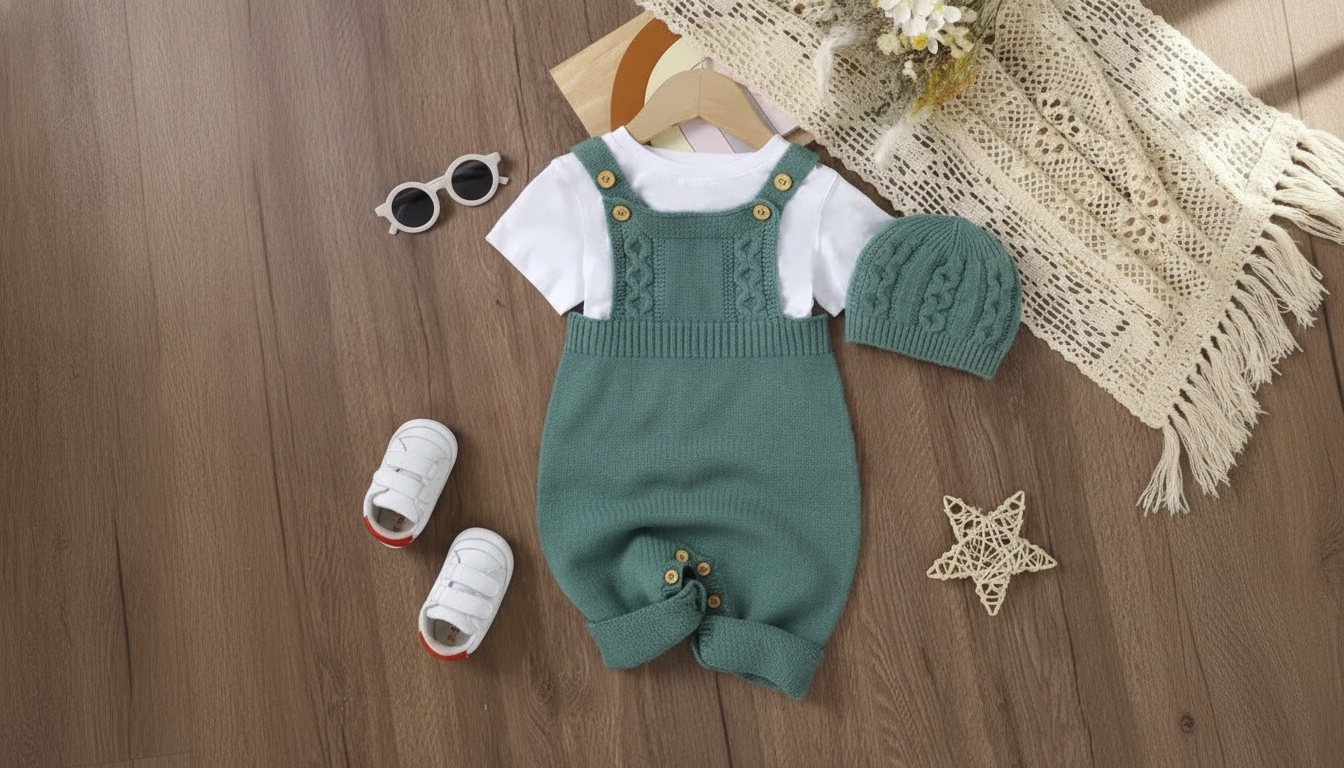
Cozy Knit Baby Romper Set with Hat
A soft, matching romper-and-hat set makes getting baby dressed simpler while keeping them comfortable for cooler days, outings, and photos. This guide focuses on the details that matter most—comfort, fit, layering, and care—so the set looks sweet while feeling gentle on delicate skin.
What Comes in the Set
A coordinated set takes the guesswork out of getting baby ready. Instead of hunting for a hat that “almost” matches, the outfit is designed to look complete from the start.
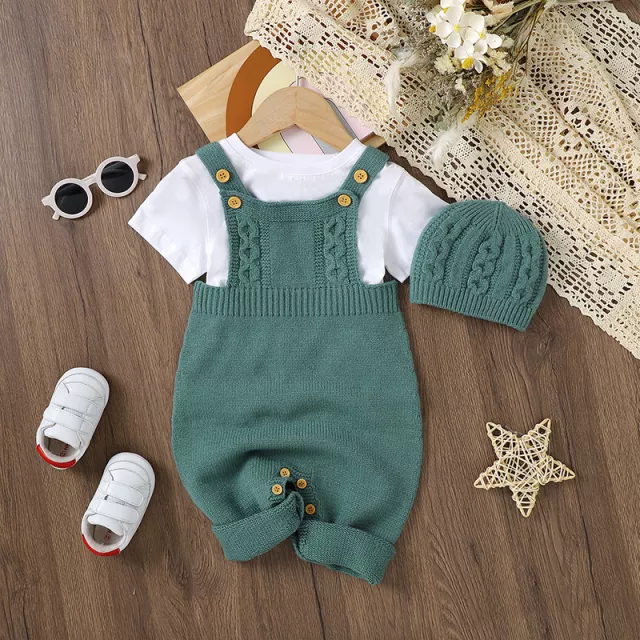
- Coordinated knit romper and matching hat for a pulled-together look with minimal effort
- Ideal for everyday wear, stroller walks, and seasonal photos
- A practical option for gifting when a complete outfit is preferred over single pieces
For an easy starting point, see the Cozy Knit Baby Romper Set with Hat currently in stock.
Comfort and Warmth for Cool-Weather Days
Knitwear is popular for babies because it tends to feel cozy without requiring heavy, bulky layers that can limit movement. On brisk days, the right base layer and a breathable outer layer can make the difference between “cozy” and “too warm.”
- Knit texture helps provide cozy warmth without needing bulky layers
- Works well over a short-sleeve or long-sleeve bodysuit depending on temperature
- Hat helps reduce heat loss in breezy environments (remove indoors if baby gets warm)
For general guidance on comfortable dressing and avoiding overheating, you can reference the American Academy of Pediatrics’ baby care resources at HealthyChildren.org.
Fit Notes: Getting the Size Right
The best fit for a knit romper is comfortable and flexible—snug enough to stay in place, but never tight. Babies stretch, curl, kick, and squirm; knit should move with them rather than fight against them.
- Prioritize easy movement at the hips and thighs; a too-snug knit can restrict kicking and crawling
- If baby is between sizes, consider sizing up for layering and longer wear
- Check neck and arm openings for comfort—snug is fine, tight is not
- For hats, a gentle fit is best; avoid anything that leaves marks on the skin
Quick Fit Checklist for a Knit Romper + Hat
| Area | Good Fit Looks Like | Adjust If… |
|---|---|---|
| Chest/torso | Fabric lies smoothly without pulling | Buttons/snaps strain or knit stretches visibly |
| Leg openings | No pinching; baby can kick freely | Red marks appear after a short wear |
| Length | Room to move without riding up | Romper pulls at shoulders or rides up at diaper |
| Hat | Secure but comfortable | Leaves deep lines or slides over eyes |
Outfit Ideas: Simple Ways to Style It
A matching romper-and-hat set is naturally photo-friendly, but it also works as a practical outfit you can repeat with small changes. Swapping the base layer (and socks) can carry the look through different temperatures.
- Everyday: romper + cotton bodysuit + socks/booties
- Outdoors: add a cardigan or jacket; use the hat for wind and shade
- Photo-ready: keep accessories minimal so the knit texture stands out
- Cooler evenings: layer tights or leggings underneath for added warmth
If you’re gifting the set, consider including a pack of soft bodysuits in a neutral color so parents can mix-and-match without overthinking it.
Care Tips to Keep Knit Looking New
Knitwear can stay beautiful through repeated wear when it’s washed gently and dried with care. The main goals: protect softness, minimize shrink risk, and help the garment keep its shape.
- Follow the garment care label for washing temperature and drying guidance
- Use mild detergent and avoid harsh bleaching agents to help preserve softness
- Air-drying or low-heat drying can reduce shrink risk and help knit keep its shape
- Store folded to help prevent stretching, especially for the hat
If you ever need to double-check what care labels mean (and why they matter), the FTC’s overview of care labeling is a helpful reference: Care Labeling of Textile Wearing Apparel.
Safety and Practical Use Reminders
Comfortable outfits should also be practical and safe—especially for pieces worn close to the face, neck, and diaper area. Take a moment to check fit and condition before each wear, particularly after washing.
- Choose outfits that allow easy diaper changes and don’t restrict breathing or movement
- Remove hats during sleep unless advised by a pediatric professional; monitor overheating
- Check regularly for loose threads or embellishments and stop use if anything becomes detached
- Keep baby’s comfort first—if skin looks irritated, switch to a softer base layer
For broader child product safety guidance (including staying alert to hazards), the U.S. Consumer Product Safety Commission provides useful education at cpsc.gov.
Product Details at a Glance
- Name: Cozy Knit Baby Romper Set with Hat
- Price: $22.82 USD
- Availability: In stock
- Category: Clothing & Accessories
- Use case: cozy daywear, gifting, seasonal photos
More In-Stock Picks
If you’re rounding out a gift or adding a few practical finds to your cart, these items are also currently available:
- Twin Size Upholstered Bed with LED Lights and Crown Headboard
- Men’s Genuine Leather Cowboy Belt with Copper Buckle for Jeans
- Large Dog Slicker Brush & Comb Set for Doodles, Poodles and Long Coats
FAQ
Is a knit romper set comfortable for sensitive baby skin?
It can be, especially when the knit is soft and the fit isn’t tight. If baby has reactive skin, use a gentle detergent and consider a breathable cotton bodysuit underneath as a comfortable barrier.
Should the hat be worn indoors or for naps?
Hats are typically most useful outdoors for warmth and wind protection, and they can be removed indoors if baby seems warm. For sleep, it’s generally best to remove hats unless a pediatric professional specifically advises otherwise.
How do you prevent a knit romper from shrinking or stretching?
Follow the care label, wash on a gentle cycle in cool or lukewarm water, and avoid high-heat drying. Reshape the knit while it’s damp and store the romper and hat folded to help them hold their shape.












Leave a comment