Crispier Frying with a Stainless Tray & Mesh Basket Set
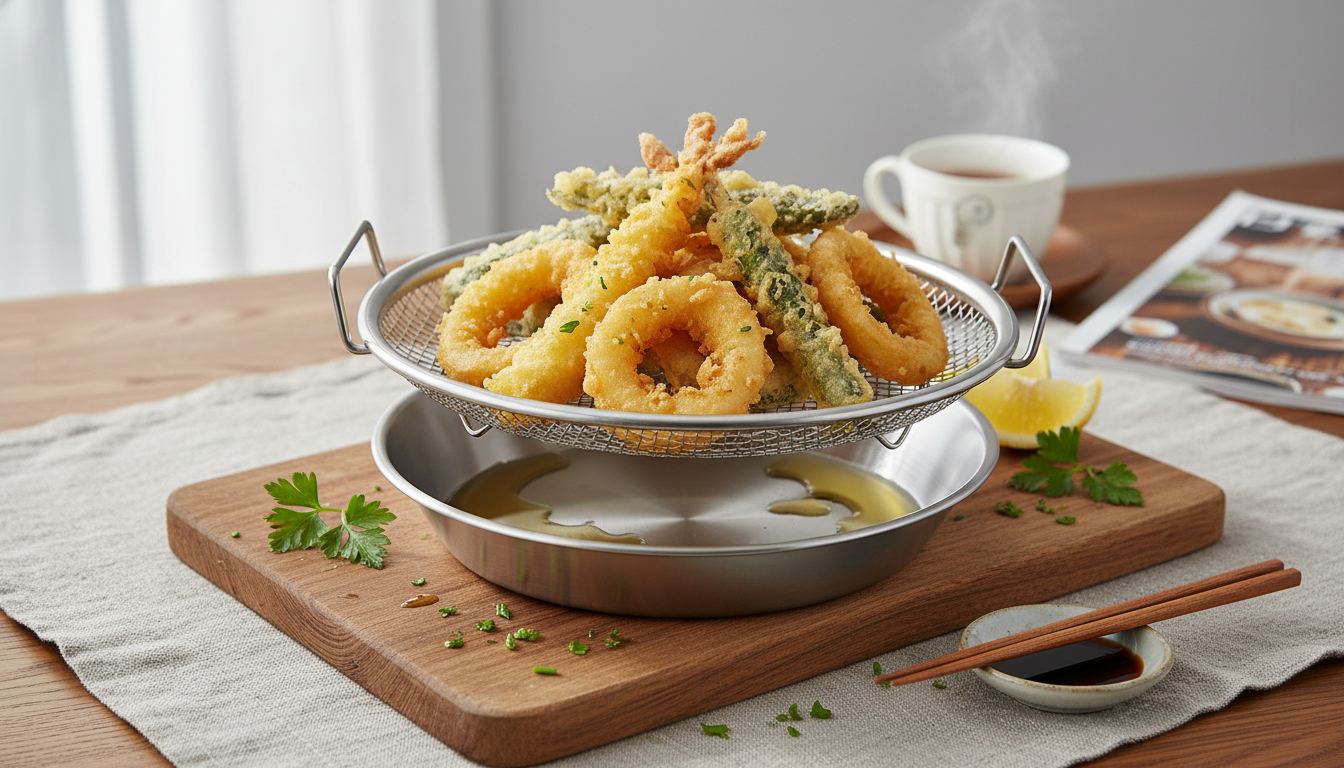
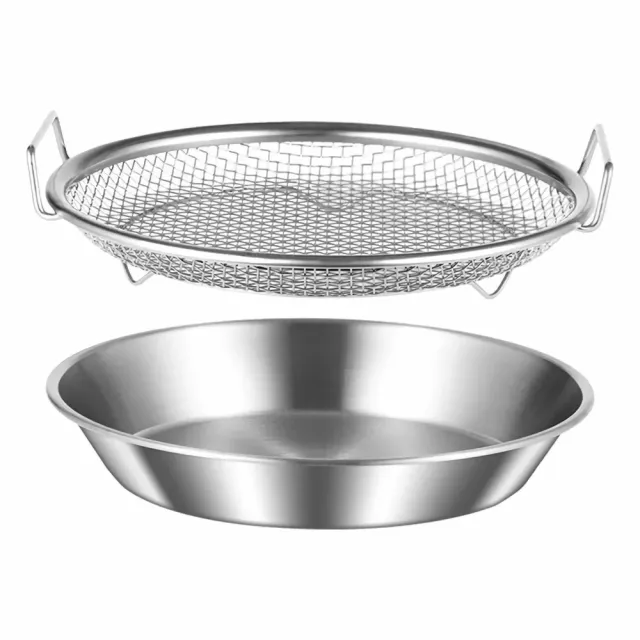
2pcs Stainless Steel Oil Filter Tray & Mesh Basket Set for Frying & Serving
A reliable draining setup makes fried foods crispier, reduces excess oil on the plate, and keeps the cooking area tidier. This stainless steel tray-and-basket pair is designed to catch drips, hold hot foods safely, and move easily from stovetop to counter for draining and serving.
What the set includes
- 2-piece setup: a stainless steel tray paired with a matching mesh basket for draining and holding fried foods.
- Elevated draining: the basket-and-tray pairing keeps foods lifted so oil drips away instead of pooling underneath.
- Flexible use: works as a countertop draining station, a quick prep/holding station, or a casual serving piece for appetizers.
If you want a simple, repeatable way to get better results from home frying—without juggling plates and paper towels—this kind of set becomes a grab-and-go tool for weeknights and gatherings.
Why a tray plus mesh basket works better than paper towels alone
- Airflow helps keep food crisp: circulating air reduces the steam that can soften a crust.
- Better support for delicate items: a rigid basket helps protect tempura, wings, fries, or breaded cutlets from sticking.
- Cleaner counters: oil collects in the tray, which makes cleanup and disposal less messy.
- Less waste: reusable stainless steel cuts down on disposable towels and repeat purchases.
Common draining methods compared
| Method | Best for | Trade-offs |
|---|---|---|
| Mesh basket over tray | Fried foods that need airflow (fries, wings, schnitzel) | Requires cleaning after use |
| Paper towels on a plate | Quick small batches | Can trap steam and soften crust; recurring waste |
| Wire rack over sheet pan | Large batches and oven holding | Takes more space; rack can be harder to scrub |
| Colander | Straining larger pieces | Can pool oil at the bottom and soften food |
Materials and build features to look for in daily use
- Stainless steel construction: resists rust and stands up to frequent washing, which matters when you use it for greasy foods.
- Mesh designed for draining: the basket promotes drip-through while helping smaller pieces stay contained.
- Tray edges that contain drips: a defined lip helps keep oil where it belongs when you shift the set from stove to counter—or counter to table.
- Multi-purpose footprint: a compact set can pull double duty for draining, holding, and serving snacks or sides.
For anyone who fries occasionally, stainless steel is a practical middle ground: sturdy enough for hot foods, easy to sanitize, and neutral in look so it can move from kitchen to casual serving without feeling out of place.
Practical ways to use it for frying, draining, and serving
1) Drain right after frying
As each batch comes out of the fryer or pan, transfer pieces into the mesh basket and let them rest briefly. The surface oil drips down into the tray instead of clinging to the crust or spreading across the plate.
2) Keep batches crisp by avoiding overcrowding
For best texture, drain in smaller batches. Overfilling the basket can trap heat and moisture, which leads to steaming and softer breading—especially with fries, battered fish, and onion rings.
3) Use it as a short-term holding station
When you’re finishing multiple items—fries first, then chicken, then fish—the basket works like a staging area so the first batch doesn’t sit in oil while you cook the rest. If you need to hold food longer, consider moving it to a wire rack in a warm oven, then use the basket again for quick draining between batches.
4) Serve directly from the basket
For game-day snacks or party apps, serve straight from the basket with the tray underneath to catch crumbs and drips. It’s a neat way to keep the coffee table (or buffet line) cleaner while the food stays more crisp than it would under foil or on a paper-towel-lined platter.
Cleaning and care
- Let it cool before washing: cooling reduces handling risk and helps prevent temperature-shock warping.
- Soak when needed: for stuck batter or crumbs, soak in warm soapy water, then use a soft brush to work along the mesh.
- Dry thoroughly: drying helps maintain the finish and reduces water spots.
- Skip harsh abrasives: choose stainless-safe cleaners and non-scratching tools to avoid dulling the surface.
For deeper guidance on safe frying practices, see the USDA Food Safety and Inspection Service’s overview of deep fat frying: USDA FSIS — Deep Fat Frying.
Kitchen safety tips when draining hot, oily foods
For disposal best practices, the USDA offers practical tips here: USDA — Cooking Oil and Grease Disposal Tips.
When this set is a good fit
In-stock picks
- Stainless steel oil filter tray and mesh basket set ($18.51)
- Men’s Genuine Leather Cowboy Belt with Copper Buckle for Jeans ($72.51)
- Large Dog Slicker Brush & Comb Set for Doodles, Poodles and Long Coats ($24.51)
FAQ
Can the basket be used for serving, not just draining?
Yes. Use the basket as a serving container with the tray underneath to catch drips and crumbs, and let food drain briefly first for a cleaner presentation.
How long should fried food drain before serving?
Most foods do well with about 30 seconds to a few minutes, depending on size and breading. Draining in small batches helps maintain airflow so the crust stays crisp instead of steaming.
What’s the best way to clean batter or crumbs stuck in the mesh?
Soak the basket in warm, soapy water, then use a soft brush to scrub along the mesh. Rinse well and dry thoroughly to keep the stainless finish looking its best.















Leave a comment