Decorating Styles Guide: Find Your Perfect Home Aesthetic
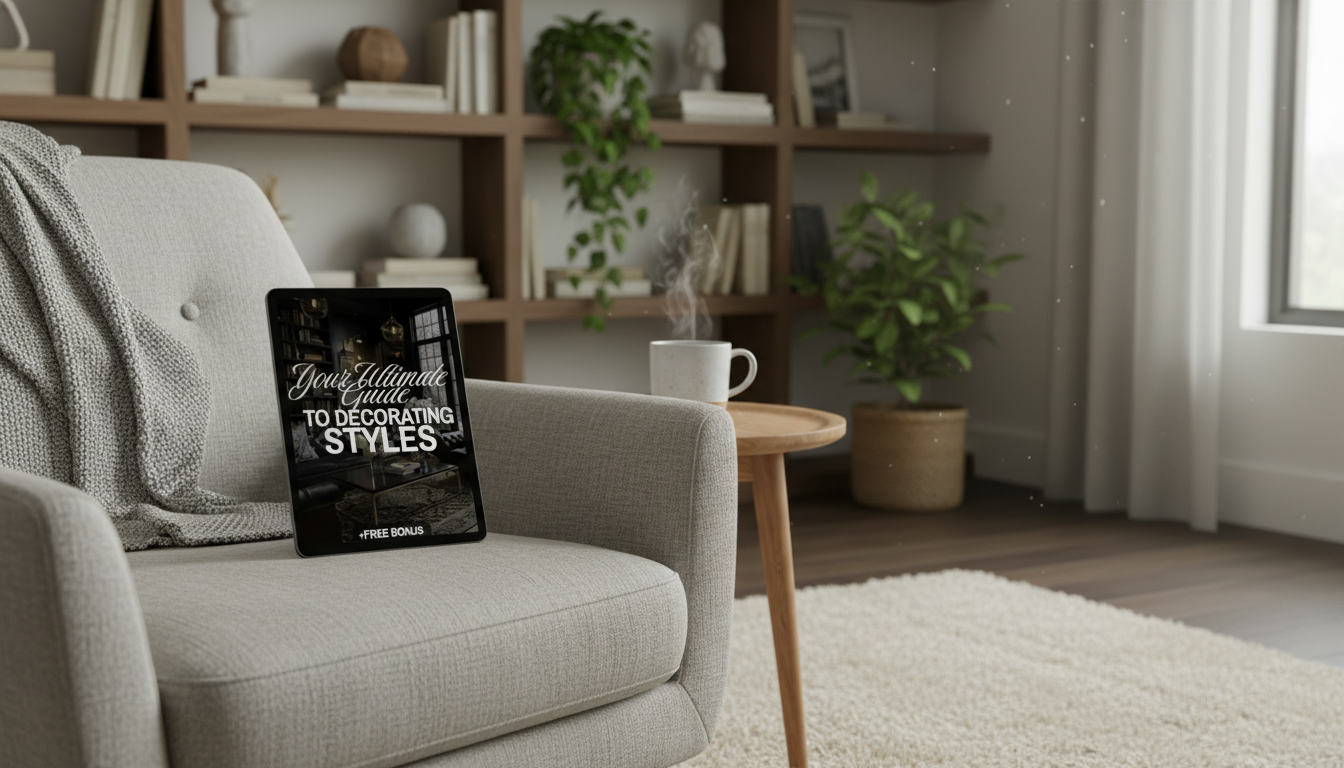
Your Ultimate Guide to Decorating Styles: Find the Home Aesthetic That Fits
Decorating styles can feel overwhelming because they blend history, architecture, color theory, and personal taste. A faster way to narrow your options is to learn the defining features of each look—materials, shapes, color palettes, and finishing details—then follow a simple plan for layering furniture, textiles, lighting, and decor. Below is a clear breakdown of popular home aesthetics, plus practical tips for mixing influences without creating visual clutter.
Start With the Building Blocks of Any Style
Most “styles” are really a repeatable set of choices. Lock in these fundamentals first, and your room decisions get easier (and more consistent) as you shop.
- Color palette: Choose a base neutral, a secondary tone, and 1–2 accents to repeat across rooms.
- Materials and finishes: Decide on a dominant finish family (warm woods, cool metals, matte blacks, natural stone, etc.).
- Silhouettes: Mix large simple shapes with smaller detailed pieces to avoid a “same-same” look.
- Texture layering: Pair smooth (glass, lacquer, polished stone) with tactile (linen, bouclé, jute, wool).
- Negative space: Leave breathing room so statement pieces read clearly.
For a quick refresher on core design principles (like line, shape, and space), the Getty’s overview of The Elements of Design is a helpful reference.
Modern and Contemporary: Clean Lines Without Feeling Cold
Modern and contemporary often get used interchangeably, but they’re not the same. Knowing the difference keeps your room from drifting into “random minimal.”
- Modern: Rooted in early–mid 20th-century simplicity; prioritize function, honest materials, and minimal ornament.
- Contemporary: Evolves with current trends; often mixes soft curves, sculptural lighting, and updated neutrals.
- Palette: White, warm greige, charcoal, muted earth tones; use one bold accent for focus.
- Key pieces: Low-profile sofas, streamlined casegoods, large-scale art, statement pendant lighting.
- Quick win: Add warmth through rugs, wood tones, and layered lighting (ambient + task + accent).
Modern vs. Contemporary at a Glance
| Element | Modern | Contemporary |
|---|---|---|
| Roots | 20th-century design movements | Current and shifting |
| Shapes | Straight, clean, functional | Mix of clean lines and soft curves |
| Materials | Wood, leather, metal, glass | Wide mix: bouclé, mixed metals, new composites |
| Color | Restrained, sometimes high contrast | Often softer neutrals with sculptural moments |
| Best for | Timeless minimalism | Trend-aware, adaptable rooms |
For a deeper historical lens on midcentury modern (a major influence on “modern” interiors), see Smithsonian Magazine’s coverage of design history: Smithsonian Magazine.
Scandinavian and Japandi: Calm, Light, and Intentional
If “peaceful” is the goal, these two styles deliver—especially in smaller homes where visual noise builds quickly.
- Scandinavian: Bright rooms, pale woods, simple forms, and cozy textiles (hygge).
- Japandi: Scandinavian comfort + Japanese restraint; fewer items, richer natural tones, emphasis on craftsmanship.
- Palette: Warm whites, sand, pale oak, muted sage, soft black accents.
- Texture strategy: Linen curtains, wool rugs, ceramic vases, paper or fabric shades for gentle light.
- Avoid: Too many small decor items; keep surfaces edited and purposeful.
Traditional, Transitional, and Modern Classic: Elegant but Livable
These looks shine when you want polish without turning your home into a museum. They also play well with many architectural details (molding, fireplaces, built-ins).
- Traditional: Symmetry, tailored details, classic silhouettes, antiques or antique-inspired pieces.
- Transitional: Classic forms simplified; fewer ornate details, more neutral palettes, comfortable proportions.
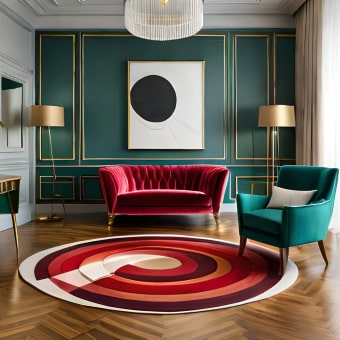
- Modern classic: Bolder contrast, cleaner lines, refined finishes (marble, brass, velvet) without heavy ornament.
- Signature moves: Pair a classic rug with modern lighting; use trim, molding, or paneling for architectural depth.
- Best practice: Repeat one “heritage” element (curves, turned legs, framed art) and one “modern” element (sleek metal, simple upholstery) across the room.
Industrial, Rustic, and Farmhouse: Character Through Raw Elements
These styles feel grounded because they emphasize natural wear, tactile finishes, and high-contrast structure.
- Industrial: Exposed structure cues—metal, concrete, aged leather, utilitarian lighting, open shelving.
- Rustic: Reclaimed wood, stone, heavy textures, warm earthy palette; feels nature-forward.
- Farmhouse: Practical comfort, simple forms, mixed woods, vintage accents; modern farmhouse leans cleaner and less themed.
- Palette: Warm neutrals, black accents, tobacco leather, weathered wood; introduce greenery to soften.
- Balance tip: Mix one rugged material (reclaimed wood or metal) with one refined finish (linen, smooth plaster, polished hardware).
Bohemian, Eclectic, and Maximalist: Layered, Collected, and Personal
If you love travel finds, vintage pieces, and rooms that feel lived-in, this family of styles makes space for personality—without sacrificing intention.
Color choices can also influence mood and energy in a space; for a foundational overview, explore Color Psychology.
How to Blend Styles Without Losing Cohesion
A Practical Roadmap: From Inspiration to a Finished Room
Recommended picks to make styling easier
- Your Ultimate Guide to Decorating Styles: Explore Types of Home Decor Styles eBook for Every Home Aesthetic (digital reference for narrowing palettes, materials, and signature details)
- Twin Size Upholstered Bed with LED Lights and Crown Headboard (a statement silhouette that suits modern classic, contemporary glam, or elevated transitional bedrooms)
FAQ
What are the most popular home decor styles to start with?
Common starting points include modern, Scandinavian, traditional, transitional, farmhouse, industrial, and bohemian. The best match depends on your home’s architecture, how you live day to day, and which colors and materials you naturally gravitate toward.
How can two decorating styles be mixed in one room?
Use a 70/30 approach (one dominant style and one supporting style) and unify the mix with a consistent palette or repeated metal finish. Keep scale consistent and limit competing patterns so the room reads intentional.
How do you find your personal decorating style?
Review saved inspiration photos and identify repeats in color, shapes, and materials, then choose a simple base palette to test in your own space. Try small swaps first—pillows, art, lighting—before replacing major furniture pieces.










Leave a comment