Electric Bone Cutting Machine: Safer, Straighter Portions
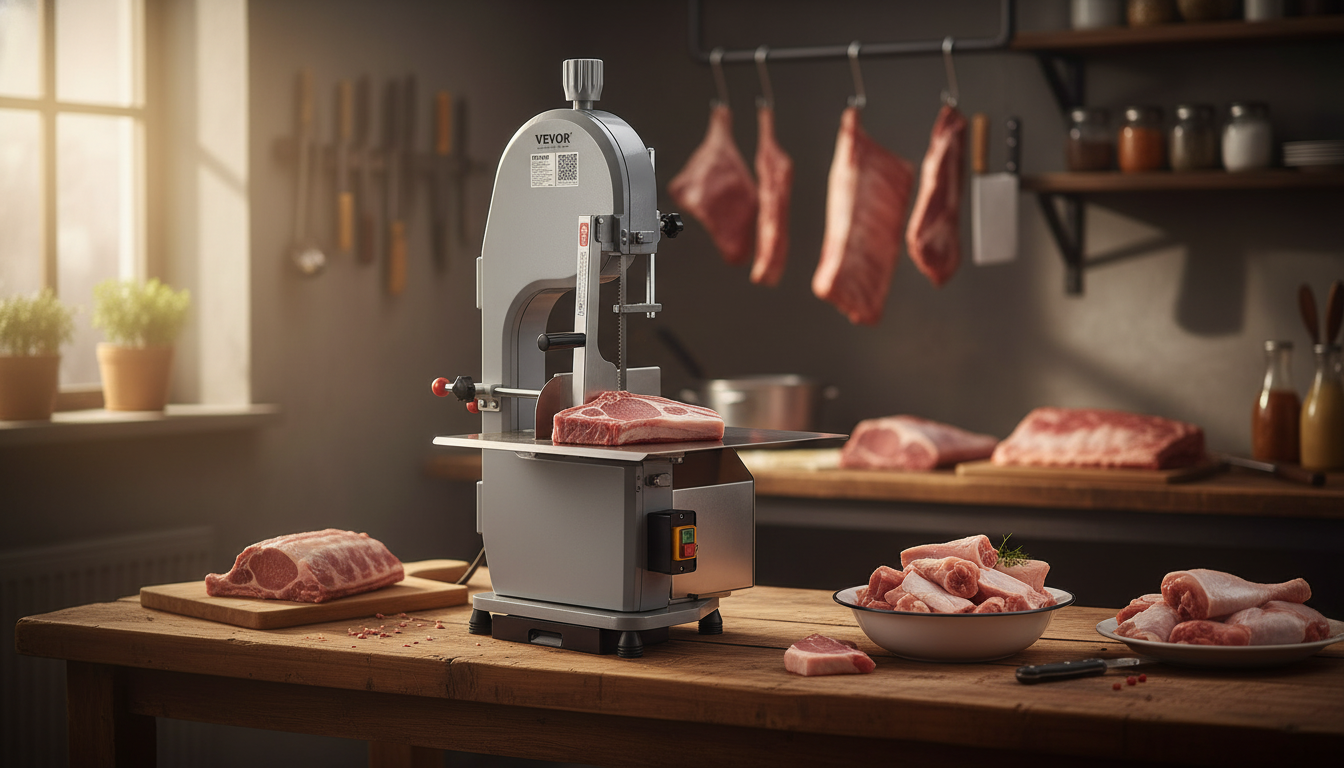
Electric Bone Cutting Machine for Clean, Consistent Cuts
An electric bone cutting machine is designed to portion meat and bone efficiently while keeping cut lines straight and repeatable. With a stable setup and consistent technique, it can speed up prep in butcher shops, small processing rooms, and high-volume kitchens—especially when you’re working through repetitive bone-in portions. Just as important, good guarding, smart feeding habits, and a disciplined cleaning routine help reduce slips, kickback, and cross-contamination.
What an Electric Bone Cutting Machine Is Used For
Bone-in products are tough on knives and exhausting with manual saws. An electric machine helps standardize results and reduce strain when volume ramps up.
- Portioning bone-in cuts like ribs, shanks, chops, and poultry frames into consistent serving sizes
- Reducing hand-saw fatigue and improving cut accuracy during repetitive prep
- Supporting batch prep where uniform thickness matters for packaging, cooking times, and presentation
- Handling tougher materials where a standard kitchen knife is unsafe or inefficient
Where It Fits Best: Shop, Restaurant, or Small Processing Room
The “best” environment depends on throughput, available space, and how tightly you need portions controlled.
- Butcher counters: Faster portioning during peak hours and more consistent retail-ready cuts.
- Restaurants: Controlled portion sizes for bone-in menu items plus efficient trimming for stock production.
- Small producers: Repeatable sizes for labeling, freezing, and order fulfillment—useful when customers expect uniform packs.
- Home use considerations: A dedicated workspace, strict safety practices, and enough room for storage and cleaning are essential.
For any setting that sells or serves food, align your process with recognized safety guidance, including USDA FSIS food safety resources and workplace safety fundamentals outlined by OSHA’s meatpacking safety topics.
Key Performance Factors to Compare Before Buying
Cut quality and daily usability come down to a handful of practical details. Focusing on these up front can prevent slowdowns, waste, and frustrating rework later.
- Motor power and torque: Impacts stall resistance on dense cuts and tougher sections; underpowered units invite binding and wandering cuts.
- Blade type and size: Influences kerf (material lost), cut finish, and what thickness of bone-in cuts can be handled safely.
- Cutting capacity: Throat height/width and table size determine what can be positioned without forcing or awkward angles.
- Stability and vibration control: Heavier bases and secure feet help the blade track cleanly and reduce operator fatigue over longer runs.
- Adjustability: Guides, fences, and thickness stops make repeat portions faster and more consistent.
- Electrical requirements: Confirm voltage, amperage, and outlet compatibility where the machine will live.
Comparison Checklist for Daily Use
| Feature | Why it matters | What to look for |
|---|---|---|
| Cutting capacity | Prevents forcing large cuts through the blade | Enough throat clearance and a supportive table for your typical items |
| Blade quality | Controls cut smoothness and reduces waste | Food-appropriate blade material and readily available replacements |
| Guides and fence | Improves repeatability and speed | Rigid fence, easy-to-read settings, minimal play |
| Guarding and emergency stop | Reduces risk during slips or binding | Accessible stop control and effective blade guarding |
| Cleanability | Limits buildup and cross-contamination | Smooth surfaces, easy access to blade area, removable components |
| Noise/vibration | Affects comfort and precision over long sessions | Stable base, solid construction, secure mounting options |
Setup and Safe Operation Essentials
Most safety problems start with rushed setup or poor control of the workpiece. A consistent routine improves both safety and cut accuracy.
- Placement: Set on a stable, level surface with adequate infeed/outfeed clearance so you’re not twisting or reaching mid-cut.
- Personal protective equipment: Use eye protection, non-slip footwear, and cut-resistant gloves where appropriate for your workflow.
- Pre-checks: Confirm blade tension, alignment, guard position, and that the table and fence are locked.
- Feeding technique: Apply steady pressure; avoid twisting the product mid-pass to reduce binding and uneven cuts.
- Product handling: Keep hands clear; use push tools or holding fixtures when portions become small or unstable.
- Stop habits: Power down before clearing scraps, adjusting guides, or performing any cleaning.
Cleaning, Sanitizing, and Routine Maintenance
Clean equipment cuts better and lasts longer. More importantly, it helps protect product integrity when you’re running multiple items back-to-back.
Common Problems and Quick Fixes
Featured Option: Electric Bone Cutting Machine
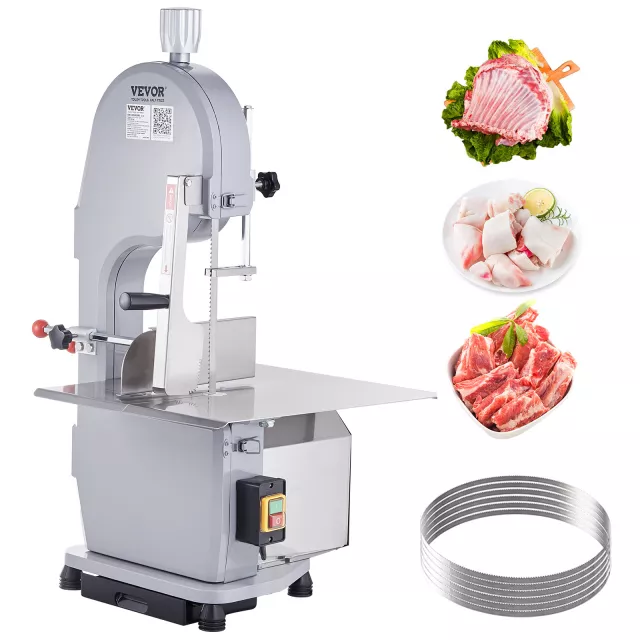
For operators who want consistent portioning and faster prep versus manual methods, the Electric Bone Cutting Machine is a practical option to consider. It’s well-suited to bone-in meat prep where repeatable thickness and straight cut lines keep workflow moving and help standardize portions.
Additional In-Stock Item
For a simple workday accessory that can pair well with aprons or tool pouches in a prep environment, consider the Men’s Genuine Leather Cowboy Belt with Copper Buckle for Jeans.
FAQ
Can an electric bone cutting machine cut frozen meat and bones?
Often yes, depending on the blade type, motor power, and the thickness being cut. Frozen cutting can increase wear and the risk of binding, so tempering product slightly and using the correct blade helps improve control and cut quality.
How often should the blade be replaced or sharpened?
It depends on volume and what you’re cutting. Service or replace the blade when cuts start drifting, surfaces become rough, or you notice you need more feed force—pushing harder is a warning sign for both safety and quality.
What is the safest way to clean the machine after use?
Power off and unplug the unit, remove debris, and clean then sanitize accessible food-contact areas using approved procedures. Dry thoroughly, then re-check guards and blade condition before returning it to service.















Leave a comment