Habitats Tree Scratchers Tower: Setup, Stability & Use
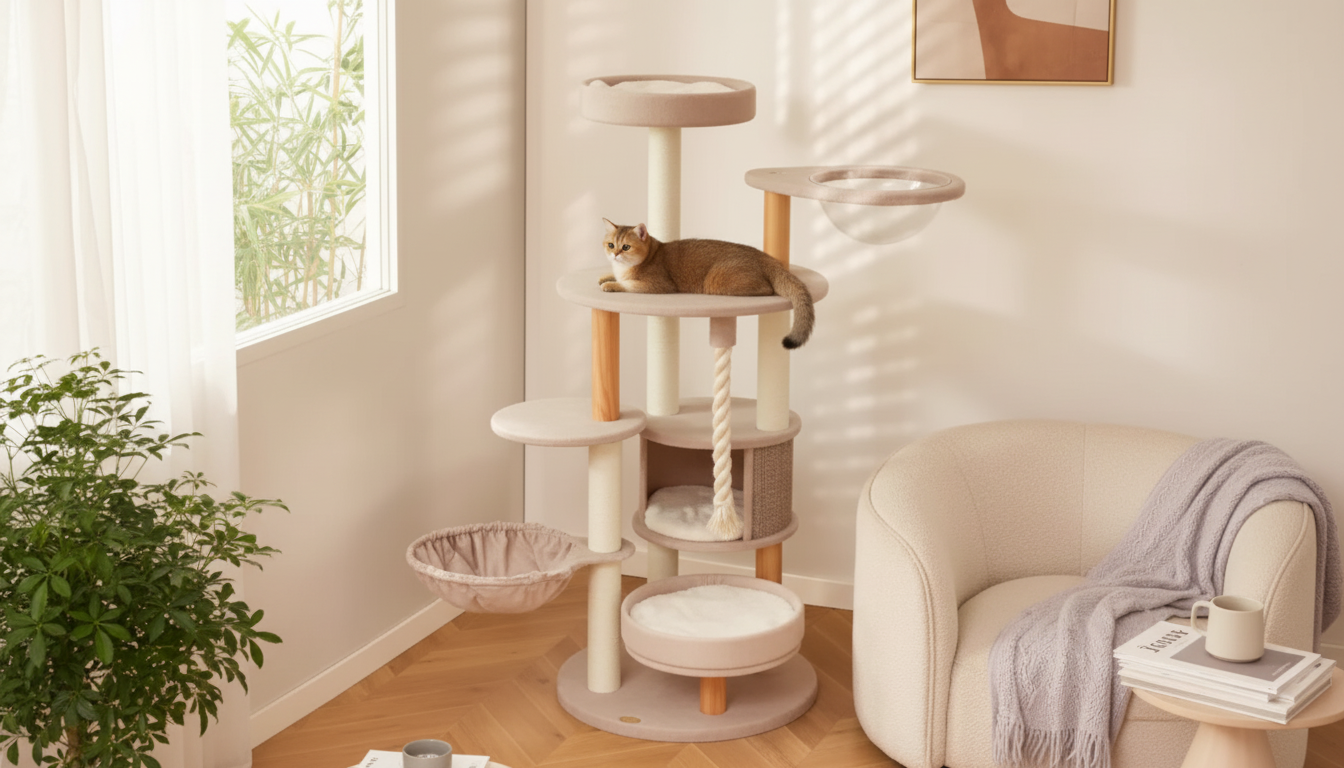
Habitats Tree Scratchers Tower: A Multi-Level Cat Haven for Climbing, Scratching, and Lounging
Cats thrive when they can climb, scratch, and rest in elevated, secure spots. A tower-style scratcher creates a dedicated place for daily nail care and play while helping redirect scratching away from furniture. Below is a practical breakdown of what to look for, how to set it up for success, and how to keep it stable and inviting over time.
What a tower scratcher adds to a cat’s daily routine
A well-placed tower scratcher supports core feline needs that indoor life can sometimes shrink: movement, territory, and predictable comfort zones.
- Supports natural scratching behavior that helps shed nail sheaths and stretch the shoulders and back.
- Adds vertical territory, which many cats use for confidence, observation, and stress reduction.
- Creates an outlet for energetic play (climbing, hopping between levels) in small or indoor-only spaces.
- Can reduce conflict in multi-cat homes by providing multiple perches and routes up and down.
- Gives predictable “yes” zones, making it easier to discourage scratching in off-limits areas.
Scratching is normal communication and body maintenance, not “bad behavior.” Guidance from organizations like the ASPCA reinforces that providing appropriate scratching options is the most effective long-term approach.
Habitats Tree Scratchers Tower overview
If the goal is one primary vertical station that covers climbing, scratching, and lounging, a multi-level tower can be a clean, consolidated solution. The Habitats Tree Scratchers Tower is designed around that “all-in-one hub” idea—multiple levels to explore, surfaces to claw, and platforms to claim.
- Multi-level tower format designed to combine scratching surfaces with climbing and lounging areas.
- Best suited for homes that want one primary vertical station rather than several smaller scratchers.
- Works well near social hubs (living room) so cats choose it over furniture, while still offering height and privacy.
- Consider pairing with a simple floor scratcher if a cat strongly prefers horizontal scratching.
Quick checklist before placing a cat tower
| Placement factor | What to aim for | Why it matters |
|---|---|---|
| Foot traffic | Near where people spend time | Cats often scratch and lounge where the action is |
| Stability | Flat floor, no wobble | Prevents hesitation and reduces tipping risk |
| Access | Clear jump-on area | Encourages use by kittens, seniors, and cautious cats |
| Furniture proximity | Close to prior scratch hotspots | Helps redirect scratching to the tower |
| Sunlight / view | Optional window sightline | Boosts perch value and daily enrichment |
Choosing the right spot and setting it up
Placement is often the difference between a tower that becomes “the spot” and a tower that turns into an expensive coat rack. Cats vote with their paws, and convenience wins.
- Start by placing the tower within a few feet of where scratching already happens; move it gradually only after it’s consistently used.
- Position one side against a wall or in a corner when possible; it increases perceived security and reduces sway.
- If the tower includes multiple perches, ensure the most desirable perch has an easy path up (no awkward leaps).
- For cats that are hesitant, rub a small amount of catnip on a scratching post section (only if catnip-safe for that cat) or use a feline pheromone spray on nearby bedding—not directly on scratching material if it could stain.
- Reward early interaction with treats or play sessions near the tower to build a positive association.
For broader home setup and enrichment ideas, guidance from International Cat Care can be helpful when deciding how to balance safe hiding spots, climbing options, and rest areas.
Keeping it stable, safe, and long-lasting
Cat towers do real work: they’re climbed, launched from, scratched aggressively, and occasionally used as a nap hammock. A few simple habits can extend the tower’s life and keep it trustworthy.
- Check bolts and connections after the first week, then monthly; climbing can loosen fasteners over time.
- Prevent sliding on smooth flooring by adding a non-slip mat under the base.
- Trim claws regularly so scratching remains a comfort behavior rather than a necessity due to overgrowth.
- Vacuum hair from platforms and seams to keep surfaces inviting; cats may avoid overly dirty or dusty areas.
- If scratching areas wear down, rotate the tower (if symmetrical) so a less-worn side becomes the preferred scratch zone.
- Avoid placing directly next to fragile shelving or breakables; energetic leaps can cause accidental collisions.
Helping a cat actually use the tower (and ignore the couch)
Redirecting scratching is easiest when the tower is both more appealing and more convenient than the furniture. The goal is to make the “right” option feel automatic.
If there’s a dog in the home who tends to steal attention (or toys), keeping enrichment balanced can reduce general household friction. A small distraction item like the Plush Squeaky Cartoon Octopus Dog Toy can help occupy a playful pup while a cat explores a new tower at its own pace.
Who this style of tower is best for
For homes ready to commit to a main “cat zone,” the Habitats Tree Scratchers Tower is a straightforward way to add climbable territory and scratching space without scattering multiple items across rooms.
When to consider a different setup
FAQ
How tall should a cat scratching tower be?
A good tower is tall enough for a full-body stretch and includes at least one elevated perch. Choose height based on your cat’s mobility and confidence; seniors often do better with shorter, step-up levels.
How can a cat be trained to use a scratching tower instead of furniture?
Place the tower near the current scratching spot, make the furniture less appealing with temporary barriers, and reward tower use with treats and play. Consistent redirection works better than punishment.
Where should a cat tower be placed in the house?
Place it near the rooms where people spend time and close to existing scratch hotspots. Corners or wall-adjacent positions can increase stability and help your cat feel more secure while climbing.
















Leave a comment