Handmade Zen Ceramic Desktop Water Fountain for Calm Focus
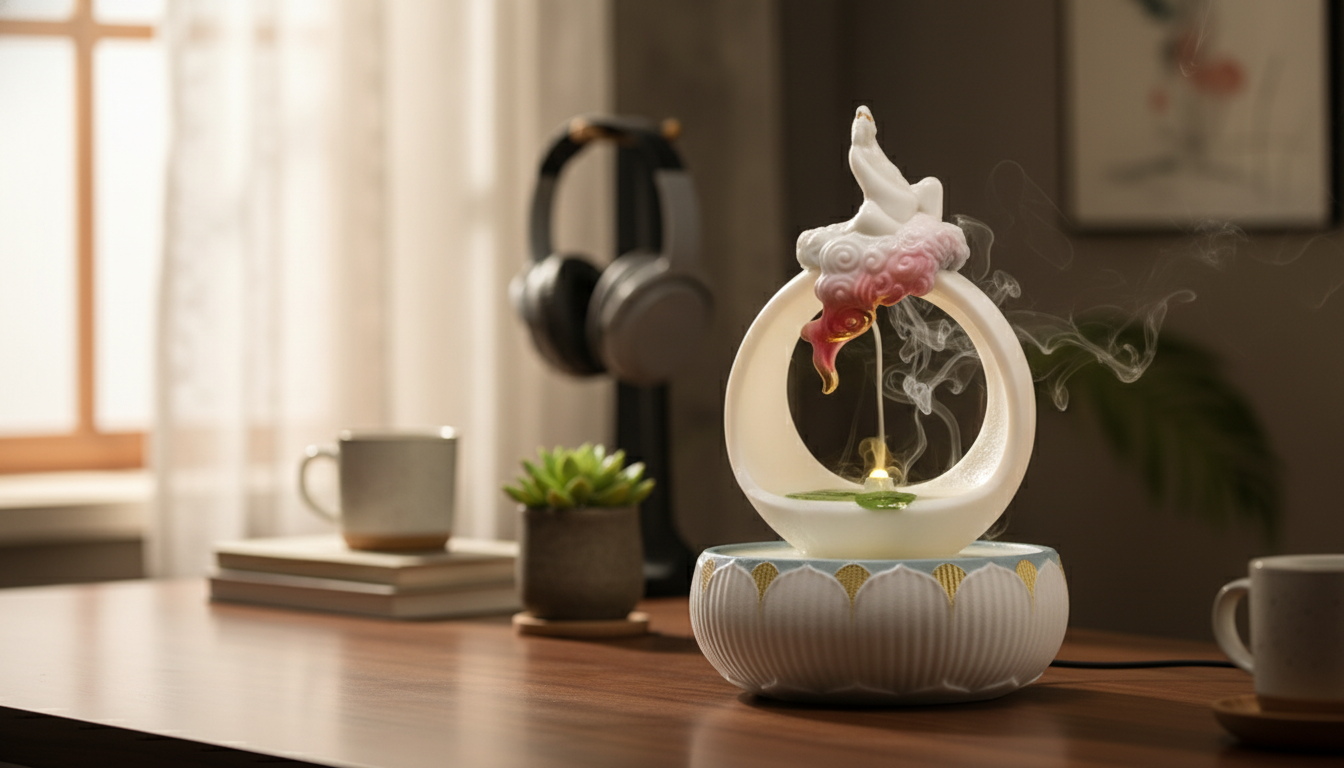
A small flowing-water fountain can shift the feel of a room from busy to grounded. This handmade ceramic desktop piece brings the calming motion and sound of moving water to a desk, shelf, entry table, or meditation corner—adding a sculptural accent while encouraging a slower, more focused atmosphere.
Why a desktop water fountain changes the mood of a space
Even in a well-designed room, a tabletop can feel “finished” yet still a little flat. A desktop fountain adds a gentle, continuous element that makes a vignette feel alive rather than static.
- Adds subtle movement that draws the eye in a soothing, non-distracting way.
- Creates a soft, consistent water sound that can help mask intermittent background noise during focused work.
- Supports a calming ritual—turn it on at the start of your day, before meditation, or during an evening wind-down.
- Pairs beautifully with natural textures like wood, linen, and stone, especially with warm, ambient lighting.
Handmade ceramic presence: texture, weight, and visual warmth
Ceramic has a grounded visual character that reads more like decor than a device. The material’s natural texture and weight help a fountain feel intentional—like a small piece of functional sculpture.
- Fits minimalist, Japandi, and modern zen styles without looking overly glossy or synthetic.
- Handmade variation gives the piece warmth and personality, so it feels curated rather than mass-produced.
- Complements plants, candles, and neutral-toned desk accessories with an easy, organic balance.
- Works as an anchor on a sideboard or bookshelf—especially framed by books and a small plant.
Where it looks best: home office, entryway, bedroom, and meditation nooks
Placement makes the difference between “nice accent” and “why didn’t I do this sooner.” Choose a spot where you’ll see it often, hear it comfortably, and refill it without hassle.
Home office
On a desk or credenza, place the fountain slightly to the side of your monitor so the sound stays present but not front-and-center during calls. If the desk surface is hollow or lightweight, a small mat underneath can reduce vibration.
Entryway
On an entry table, it becomes a welcoming focal point—an immediate cue to drop the day’s pace when you walk in. Keep the surrounding surface simple so the fountain remains the centerpiece.
Bedroom
On a dresser or nightstand, it can add ambiance to an evening routine. If you’re a light sleeper, test the sound level for a few nights; soft furnishings (curtains, rugs) can help absorb sound.
Meditation corner
Position the fountain near a cushion, low table, or small shelf with uncluttered surroundings. A calm “zone” works best when there’s clear space around the piece.
A practical note: avoid placing a fountain directly under shelves holding valuable electronics or paper stacks, and keep a clear perimeter around it for airflow, refilling, and easy wipe-downs.
Quick setup and everyday use
A desktop fountain is at its best when it’s easy to turn on, easy to maintain, and predictable in sound and flow.
- Place it on a stable, level surface; a small tray or water-resistant mat helps protect wood finishes.
- Fill with clean water to the recommended level so the flow stays smooth and the pump remains submerged.
- Turn it on and check the flow path; adjust placement to keep the stream centered and reduce splashing.
- Top off the water periodically—desktop fountains can evaporate faster in warm rooms or near sunlight.
- For a quieter experience, keep the water level consistent and ensure the fountain sits evenly to prevent vibration.
Care tips for clean water and a steady flow
Clear water and a consistent stream come down to a light, regular routine. Keeping the system clean also helps prevent slow flow caused by buildup.
For general guidance on keeping water clean, see the CDC Healthy Swimming—Keeping Water Clean. For broader comfort considerations in indoor spaces, the EPA overview of indoor air quality is a helpful reference.
At-a-glance details
| What to check | Why it matters | Practical tip |
|---|---|---|
| Footprint on the surface | Prevents crowding a desk or shelf | Leave clearance around the piece for easy refilling |
| Sound level in the room | Affects focus, calls, and sleep | Test in the intended spot; hard surfaces amplify sound |
| Water level and evaporation | Keeps flow consistent and protects the pump | Top off more often in dry or warm rooms |
| Surface protection | Helps avoid water rings or finish damage | Use a small tray or water-resistant mat on wood |
| Cleaning routine | Prevents mineral deposits and reduced flow | Distilled water + quick weekly rinse reduces buildup |
Styling ideas that feel intentional (not cluttered)
When it makes a thoughtful gift
Shop in-stock picks
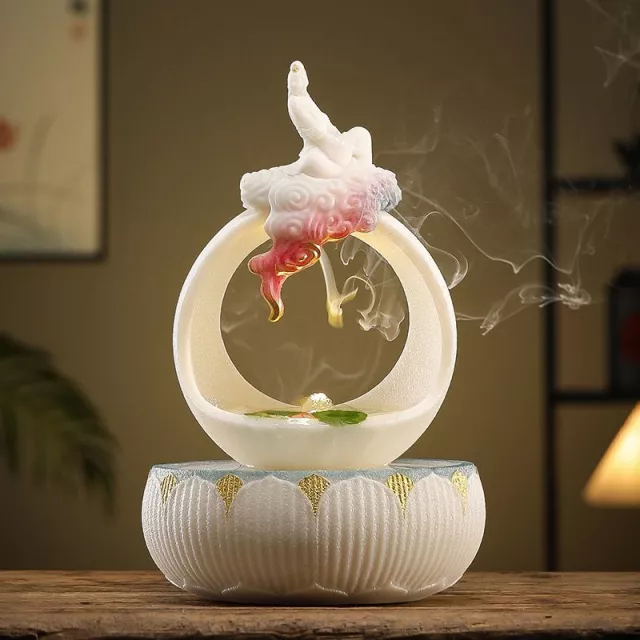
- Zen Ceramic Flowing Water Fountain – Handmade Desktop Decor for Home & Office
- Twin Size Upholstered Bed with LED Lights and Crown Headboard
FAQ
How often should the water be changed in a desktop fountain?
For regular use, refreshing the water every few days to weekly helps keep it clear and reduces buildup. Top off as needed between changes, and consider distilled water if mineral deposits are common in your area.
Is a ceramic flowing water fountain noisy?
Sound depends on the water level, the surface it sits on, and the room’s acoustics. Keeping the water level consistent, placing the fountain on a stable surface, and reducing splashing usually results in a softer, steadier sound.
How can mineral deposits be prevented on ceramic and in the pump?
Using distilled water, doing quick rinses, and cleaning the pump intake periodically can significantly reduce mineral scale. Keeping the fountain out of direct sunlight also helps limit algae growth that can affect flow.















Leave a comment