Mecha-Style Steam Deck Case: Grip, Fit & Drop Defense
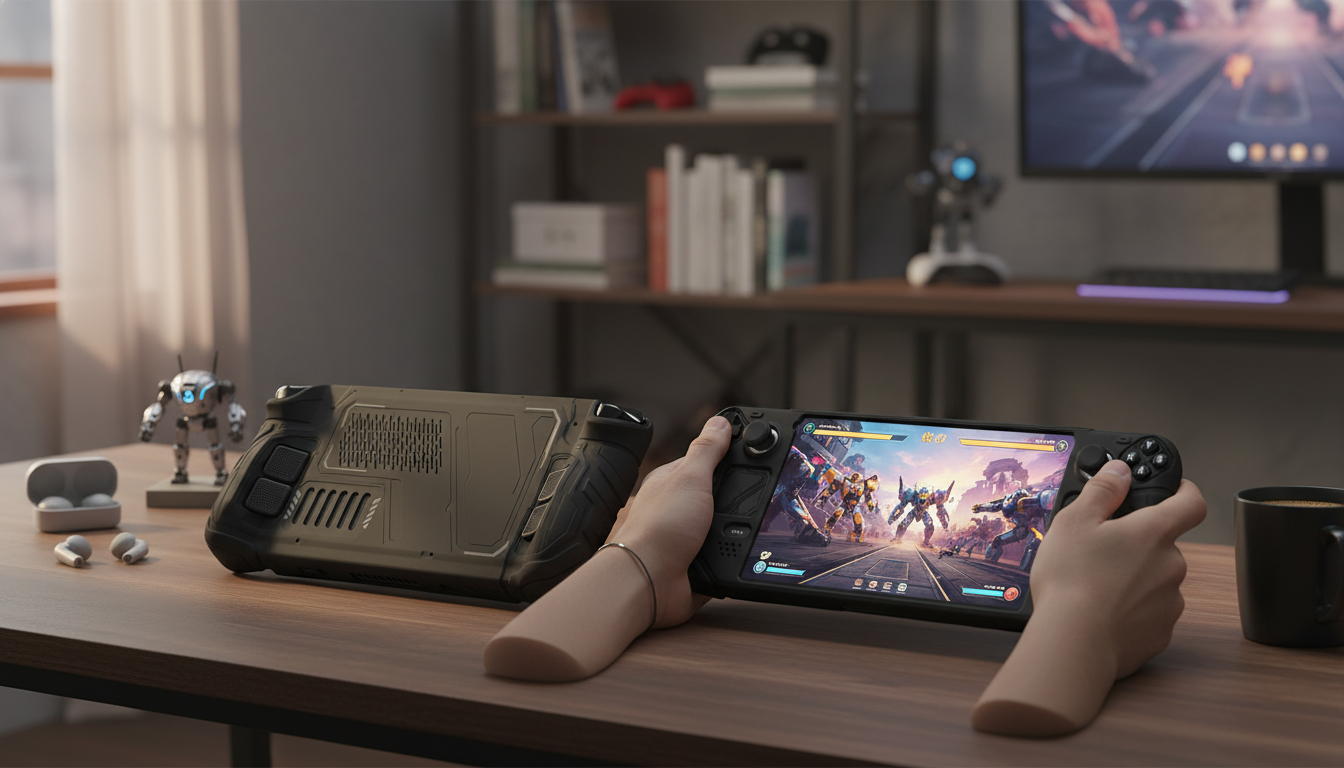
Mecha-Style Protection That Looks at Home on a Steam Deck
A protective case for Steam Deck should do more than look good: it needs reliable drop protection, a secure grip, and clean access to every button, vent, and port. This mecha-style silicone shell is designed to add a rugged, futuristic look while helping guard the handheld during daily play, travel, and docking. If you want a case that feels comfortable for long sessions but still looks bold on a desk setup, the Mecha-Style Protective Silicone Case for Steam Deck OLED & LCD is built around that balance. For more guidance, see Back Button Enhancement Set PlayVital Mecha Protective Case For ….
What Makes the Mecha-Style Design Different
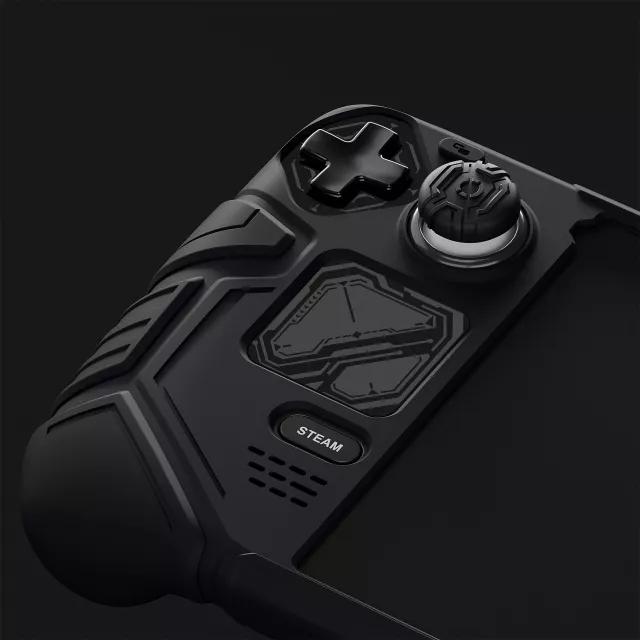
Most Steam Deck silicone covers focus on simple texture and minimal shaping. A mecha-style shell takes a different route: it adds an angular, panel-like pattern that looks mechanical without getting in the way of gameplay. For further reading, see PlayVital Mecha Protective Case For Steam Deck OLED & LCD ….
- Angular surface detailing: The panel texture creates a distinctive “machine armor” look while keeping the control surfaces feeling familiar in-hand.
- Raised zones for natural hand placement: Subtle ridges can help guide your grip, reducing the chance of slipping during longer sessions or intense action sequences.
- Matte silicone finish: Compared with many glossy hard shells, matte silicone tends to hide small scuffs and reduces the appearance of fingerprints during everyday use.
Protection Where Steam Deck Gets Bumped Most
Handhelds rarely get damaged by one dramatic fall—more often, it’s the routine bumps: sliding off a couch cushion, tapping the edge of a desk, or getting nudged in a backpack. Silicone is popular because it absorbs and disperses smaller impacts better than rigid plastics.
- Shock-absorbing material: Silicone helps soften the impact of minor drops and “oops” moments during daily play.
- Reinforced edges and corners: The perimeter of a handheld is where most contact happens, so extra coverage in these areas helps reduce risk.
- Raised lip zones: When set down on a table, raised areas can help keep the face of the device from directly touching the surface (exact coverage can vary depending on whether you use a screen protector).
- Best paired with tempered glass: A case protects the body, but a tempered-glass screen protector completes the front-side defense against scratches and face-down contact.
Fit and Compatibility: Steam Deck OLED vs LCD
Steam Deck OLED and Steam Deck LCD share the same general handheld layout, but the details that matter most are the cutouts and clearances—especially around airflow and charging. This case is made to fit both Steam Deck OLED and Steam Deck LCD models, but it’s still worth doing a quick alignment check right after installation.
Pay special attention to the top vent area (for cooling), the trigger travel (for consistent input), and the USB-C port (for charging and docking). If you use a tight travel case, the added thickness of a silicone shell can make the fit snug; test the combo once before relying on it for daily carry.
Quick Compatibility Checklist
| Area to Check | Why It Matters | What to Look For After Install |
|---|---|---|
| Top vents | Airflow and heat management | No silicone overlap or sagging into vent openings |
| Triggers & bumpers | Input feel and response | Full travel without rubbing or sticking |
| Trackpads | Comfort and accuracy | Edges don’t interfere with swipes or clicks |
| USB-C port | Charging and docking | Cable seats fully; no forced angle |
| Rear buttons | Gameplay shortcuts | Buttons remain easy to press without extra force |
Grip, Comfort, and Long-Session Handling
Comfort isn’t just about softness—it’s also about stability. A handheld that shifts in your palms forces constant micro-adjustments, which can add fatigue over time. Textured silicone can make the device feel more “locked in” during play.
- More stable grip: The textured surfaces help reduce slipping, especially if hands run slightly dry or you play in cooler rooms.
- Mild cushioning on edges: Silicone can take the sharpness out of the Steam Deck’s edges, which many players notice during longer sessions.
- Easy grip refresh: If hands run warm, a quick wipe-down can remove oils and keep the texture feeling consistent.
Docking, Charging, and Everyday Carry
Docking and charging are where “good fit” becomes non-negotiable. Even a well-made case can add just enough thickness to affect certain dock cradles or tight USB-C connectors, so a one-time test fit is the best habit to build.
- Test docking once before making it routine: Ensure the Steam Deck sits flat, the USB-C connector seats cleanly, and nothing is under stress.
- Better couch-and-bed charging stability: Silicone adds friction against fabric surfaces, helping reduce accidental slides when charging on blankets or cushions.
- Travel tip: In tight pouches, textured silicone can catch on a zipper track. A slightly roomier travel case or bag helps prevent unnecessary rubbing during insertion and removal.
Installation and Care
When This Case Is a Good Match
In-Stock Picks
- Mecha-Style Protective Silicone Case for Steam Deck OLED & LCD (In stock)
- Men’s Genuine Leather Cowboy Belt with Copper Buckle for Jeans (In stock)
- Large Dog Slicker Brush & Comb Set for Doodles, Poodles and Long Coats (In stock)
FAQ
Does a silicone case affect Steam Deck cooling?
It shouldn’t as long as the top vent cutouts stay fully clear. After installation, check that no silicone overlaps the vent openings; normal warmth during gaming is expected, but airflow should not be blocked.
Will it work with a dock or USB-C hub?
It depends on the dock’s tolerances and connector fit. Do a quick test: confirm the USB-C plug seats fully and the Steam Deck sits level without pressure or forced alignment.
Is the case easy to remove without stretching it out?
Yes—remove it gradually from one corner or edge rather than yanking. Silicone is flexible, but repeated aggressive removal can loosen the fit over time.















Leave a comment