Memory Foam Bathroom Rug Set: Soft, Absorbent, Non-Slip
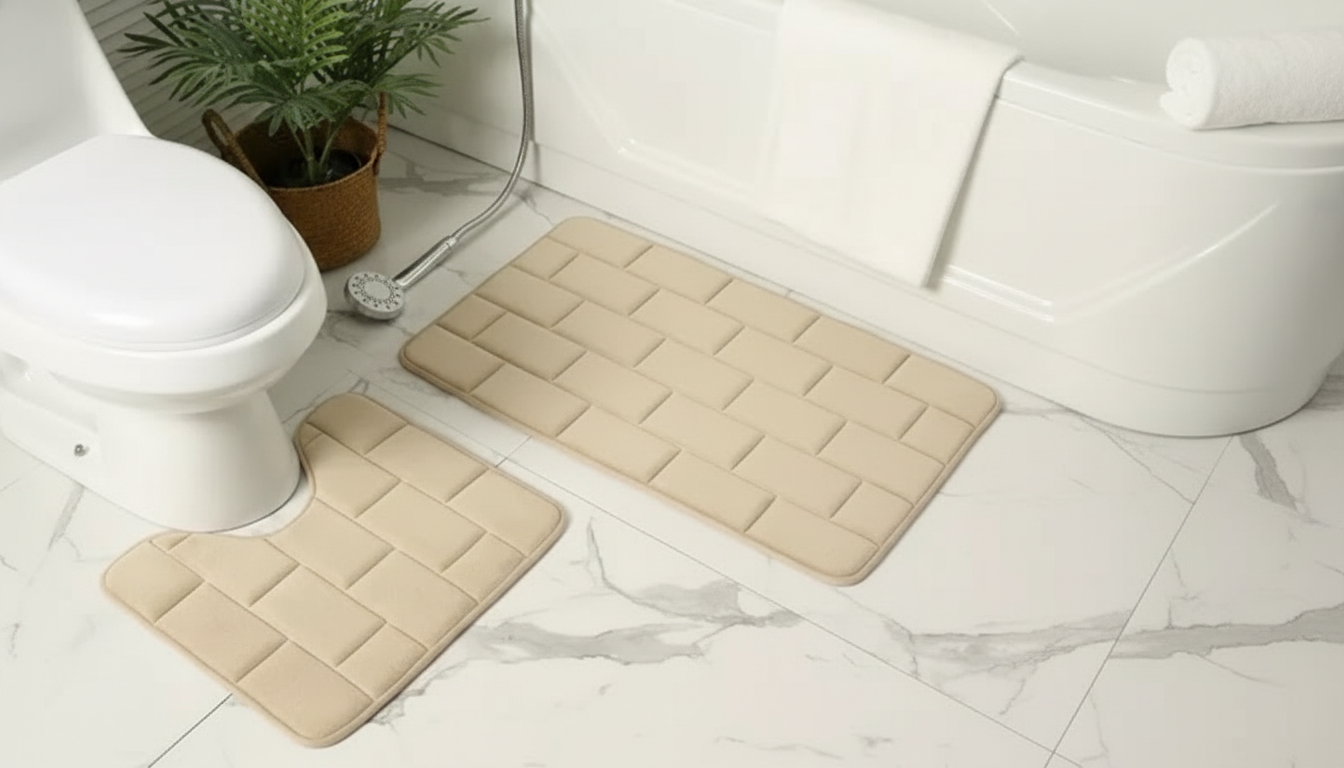
Memory Foam Bathroom Rug Set: Soft Steps, Drier Floors, Better Grip
A bathroom rug set should feel comfortable underfoot, dry quickly after showers, and stay put on smooth floors. A memory foam set typically pairs a cushioned bath mat with a contour rug to make the area around the tub, shower, sink, or toilet more comfortable while helping cut down on water tracked across the room. With the right placement and care, these rugs can also support a tidier look—without constant repositioning.
What Comes in a Bathroom Rug Set
Most sets include two pieces designed for different “wet zone” and “high traffic” needs:
- Bath mat: Made for the main stepping area near the shower or tub where water drips most often.
- Contour rug: Shaped to fit around the base of a toilet, covering a spot that sees frequent foot traffic.
- Coordinated look: Matching texture and color helps the bathroom feel pulled together compared with mixing single mats.
- Placement tip: Keep edges flat and avoid overlapping rugs to reduce bunching and tripping.
Comfort Underfoot: Why Memory Foam Feels Different
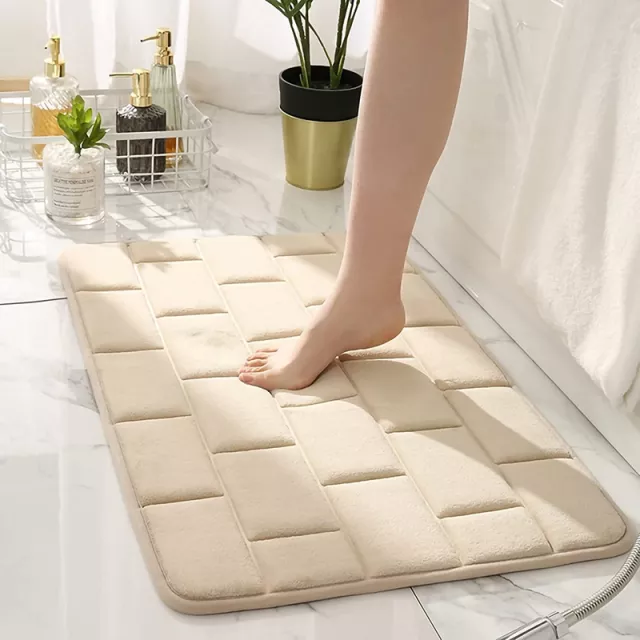
Memory foam is known for its slow-rebound cushioning. In a bathroom setting, that “sink in and bounce back” feel can make everyday routines noticeably more comfortable—especially on cold tile.
- Cushioned support: Memory foam compresses under pressure and rebounds gradually, creating a softer step when you’re barefoot.
- Warmth on tile: Thicker padding can reduce the shock of cold flooring compared with thin, flat rugs.
- Everyday use: Helpful for time spent standing at the sink or vanity (skincare, shaving, brushing teeth).
- Balance consideration: In homes with mobility concerns, prioritize a stable, low-profile rug that lies flat and doesn’t create a raised edge.
For added peace of mind, it’s worth remembering that falls are a serious safety issue, particularly for older adults. Reviewing basic fall-risk information can help guide safer bathroom choices (see CDC — Important Facts about Falls).
Absorbency and Drying: Keeping Floors Drier
A good bathroom rug set isn’t just about softness—it should also help manage water. Absorbent top layers are designed to pull moisture off damp feet so fewer droplets end up on surrounding floor surfaces.
- Absorbent surface: The top layer is intended to capture water from damp feet to reduce tracking.
- Moisture management: Rotate rugs or hang them to dry between uses in humid bathrooms.
- Ventilation matters: Run the exhaust fan during and after showers to help rugs dry faster and discourage odors.
- Care habit: If a rug stays damp for long periods, increase washing frequency and improve airflow.
Bathrooms that stay humid can create conditions where musty smells develop. Good airflow and thorough drying matter for comfort and for reducing moisture-related issues (see EPA — Mold Basics).
Non-Slip Backing and Floor Safety
Non-slip backing is designed to improve grip on smooth floors, but real-world traction depends on both the rug and the surface underneath.
- Grip on smooth surfaces: Non-slip backing can help reduce sliding on tile or sealed wood/laminate.
- Best practices: Place rugs on clean, dry floors—dust, hair, oils, and lotions can reduce traction.
- Avoid trapped moisture: Lift and dry the underside periodically so water doesn’t linger between rug and floor.
- If slipping occurs: Discontinue use on that surface and consider a compatible rug pad if appropriate for your flooring and rug backing.
For stability, avoid positioning the mat where it will be constantly nudged by a door swing or pinched by a cabinet edge. Even a great non-slip backing performs best when the rug can lie fully flat.
Quick Checklist Before Buying
Before choosing a set, a few quick measurements and habit checks can prevent frustration later.
Bathroom Rug Set Fit & Care Checklist
| Checkpoint | Why it matters | What to verify at home |
|---|---|---|
| Floor type (tile, vinyl, sealed wood) | Traction and stability vary by surface | Clean and dry the area, then test placement where the rug will live |
| Clearance around toilet base | Contour rugs can bunch if the fit is tight | Measure the footprint and check for bolts/risers that affect fit |
| Door and cabinet swing | Edges can catch and curl if cramped | Open doors/cabinets fully and note where a rug might interfere |
| Drying conditions (humidity/fan use) | Affects odor control and longevity | Confirm there is airflow or a place to hang rugs between washes |
| Laundry capacity | Oversized rugs may not wash well in small machines | Check washer size and preferred wash frequency |
Care and Cleaning for Long-Lasting Softness
For practical laundry guidance that applies to many washable home textiles, see American Cleaning Institute — Laundry Basics.
Where This Set Works Best
More In-Stock Finds to Complement Your Home Setup
- 65″ Blue Mid-Century Loveseat No-Tool Assembly 2-Seater Sofa
- Matte Corning Glass Screen Protector for iPad
- Silver Bow Tie AirPods Max Headphone Cover – Custom Y2K Resin Decoration
FAQ
Can a memory foam bath mat be machine washed?
Many memory foam bath mats are machine washable, but you should always follow the care label on the specific set. Use a gentle detergent when possible and make sure the rug dries completely before placing it back on the floor.
Why does a non-slip bath rug sometimes slide on tile?
Sliding often happens when there’s dust, hair, soap residue, lotion, or moisture trapped under the rug. Clean and dry both the floor and the rug’s underside; if traction still isn’t reliable, discontinue use on that surface.
How should a contour rug fit around a toilet?
A contour rug should sit around the toilet base without bunching, folding, or lifting at the edges. Check the toilet footprint and bolt locations so the rug lies flat and remains clear of door swings while still allowing easy cleaning access.














Leave a comment