Mid-Century Sideboard Buffet Cabinet: Storage & Style
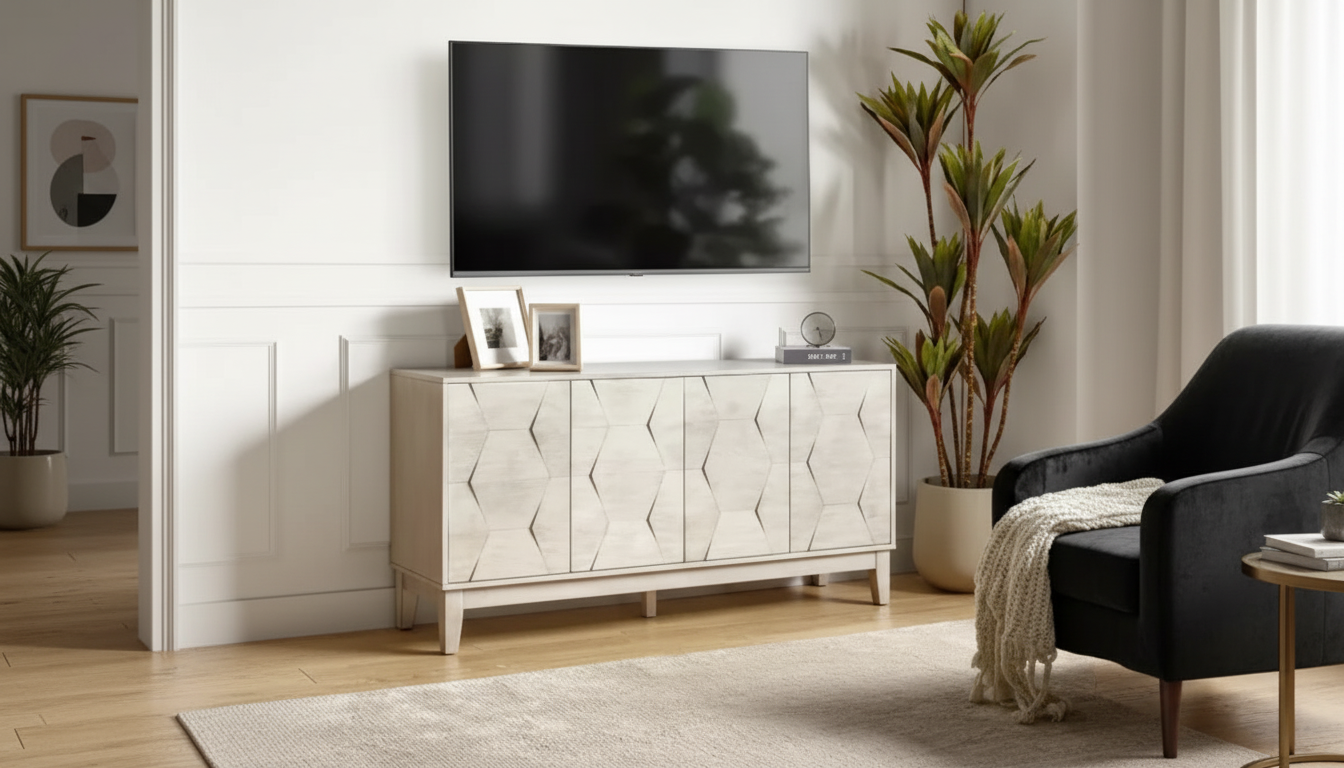
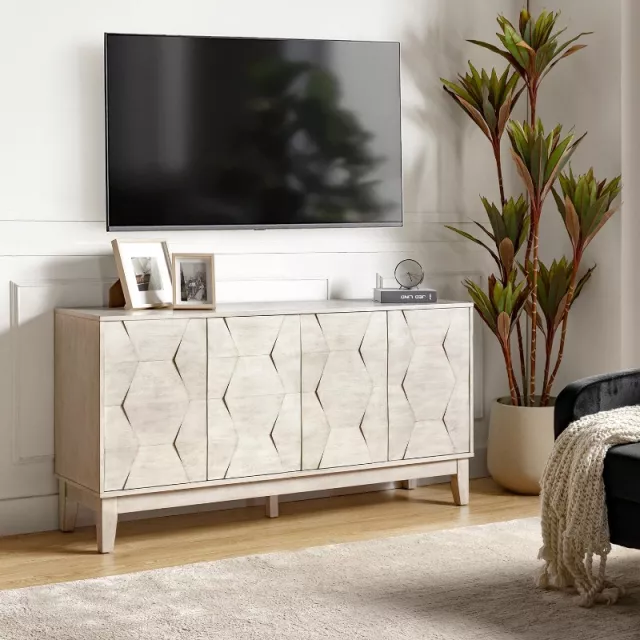
Mid Century Modern Sideboard Buffet Cabinet for Dining, Living, and Entryway Storage
A sideboard can do more than hide clutter—it can anchor a room, create a serving station, and add warm, clean-lined character. This mid century modern sideboard buffet cabinet is designed for everyday storage and effortless entertaining, with a profile that pairs easily with both vintage-inspired and contemporary spaces. Rooted in the practicality and simplicity that helped define mid-century design (see historical context from the Met and an overview from Britannica), this style fits modern life: closed storage below, a useful surface on top, and a silhouette that feels intentional rather than bulky. For more guidance, see George Oliver Mid Century Modern Sideboard Buffet Cabinet With ….
What This Sideboard Adds to a Home
- Creates a dedicated surface for serving, a compact bar setup, or everyday display without taking over the room.
- Keeps essentials organized: dinnerware, linens, small appliances, games, or media accessories—out of sight, easy to reach.
- Brings mid-century character through balanced proportions and a furniture-like presence that reads “finished.”
- Works as a flexible landing zone in open layouts where storage is limited and surfaces can get cluttered fast.
A Quick Look at the Product
If you’re looking for one piece that can handle hosting duties and daily storage, the Mid Century Modern Sideboard Buffet Cabinet is a strong fit for dining rooms, living spaces, and entryways alike. For further reading, see George Oliver 60.5\ Mid Century Modern Sideboard Buffet Cabinet ….
| Detail | Value |
|---|---|
| Name | Mid Century Modern Sideboard Buffet Cabinet |
| Price | $615.01 USD |
| Availability | In stock |
| MPN | 62444 |
| SKU | 14:200004890 |
Where It Works Best: Room-by-Room Ideas
Dining room: a buffet that actually earns its spot
Use the top as a serving lane—platters, a beverage station, or dessert staging—while storing placemats, napkins, and serving pieces inside. Keeping these items together reduces the “where did we put that?” scramble when guests arrive.
Living room: streamlined storage with a calm profile
A sideboard can replace (or supplement) open shelving by hiding board games, cords, and photo albums. If your TV setup is compact, it can also act as a media-adjacent console—especially helpful when you want storage without the visual weight of a large entertainment center.
Entryway: a polished landing zone
In entry spaces, this cabinet works like a quiet organizer: stash reusable bags, scarves, and mail-sorting tools inside, then keep the top simple with a tray for keys and a mirror above. The result feels intentional instead of “drop zone chaos.”
Home office: hide the paper trail
Sideboards are underrated in offices. Use the interior for paper supplies, chargers, and peripherals, and reserve the top for a printer or a few display pieces so your workspace looks clean at a glance.
Placement Planner: Clearances That Keep It Comfortable
Even a great cabinet can feel awkward if it crowds the room. Before you commit to a spot, measure wall length, nearby door swings, and the space needed for people to pass through comfortably. If it’s serving as a buffet, keeping it within a few steps of the table makes hosting noticeably easier.
| Placement situation | Recommended clearance | Why it matters |
|---|---|---|
| Main walkway in front of cabinet | 30–36 in (76–91 cm) | Comfortable pass-through without bumping corners |
| Behind dining chairs (cabinet behind seating) | 36–44 in (91–112 cm) | Room to pull out chairs and stand up |
| Near a door that opens toward the cabinet | Door swing + 4–6 in (10–15 cm) | Prevents impacts and awkward circulation |
| Used as a serving station | At least 30 in (76 cm) in front | Easy access for two people during gatherings |
Styling Ideas That Match Mid-Century Lines
- Keep the top edited: one statement lamp, a low bowl or tray, and one vertical element (art or a vase) reads clean and classic.
- Use pairs and symmetry: two candleholders or two framed prints above the cabinet lean into a mid-century sense of balance.
- Add texture to avoid a flat look: a woven runner, ceramic pieces, or a matte-finish tray breaks up smooth surfaces.
- Mix materials nearby: warm wood looks especially good with linen, leather, brushed metal, or boucle accents.
- If it’s a bar moment: group by function—glassware on a tray, tools in a container, bottles aligned neatly—so it looks styled, not stored.
What to Store Inside (So It Stays Tidy)
Care and Everyday Maintenance
Who This Cabinet Fits Best
More In-Stock Picks to Round Out Your Space
- Mid Century Modern Sideboard Buffet Cabinet (a versatile storage-and-serving essential)
- Twin Size Upholstered Bed with LED Lights and Crown Headboard (a standout option for a polished bedroom refresh)
FAQ
What is the difference between a sideboard, a buffet, and a credenza?
In everyday use, the terms overlap. “Sideboard” and “buffet” are often dining-focused pieces meant for serving and storing table items, while “credenza” commonly shows up in dining rooms, offices, or living rooms—differences are more about tradition and placement than strict construction.
How high should art or a mirror be above a sideboard?
A practical guideline is to hang art or a mirror about 6–10 inches above the sideboard top. Aim to center the piece around eye level and keep proportions balanced so there’s breathing room for any decor you place on the surface.
How do you keep a buffet cabinet top from looking cluttered?
Divide the surface into 2–3 zones and corral small items on a tray to create structure. Mix heights (one tall, one low) and leave intentional negative space so the top looks styled rather than filled.










Leave a comment