Mini Stainless Firewood Stove: Chimney + Aroma Holder
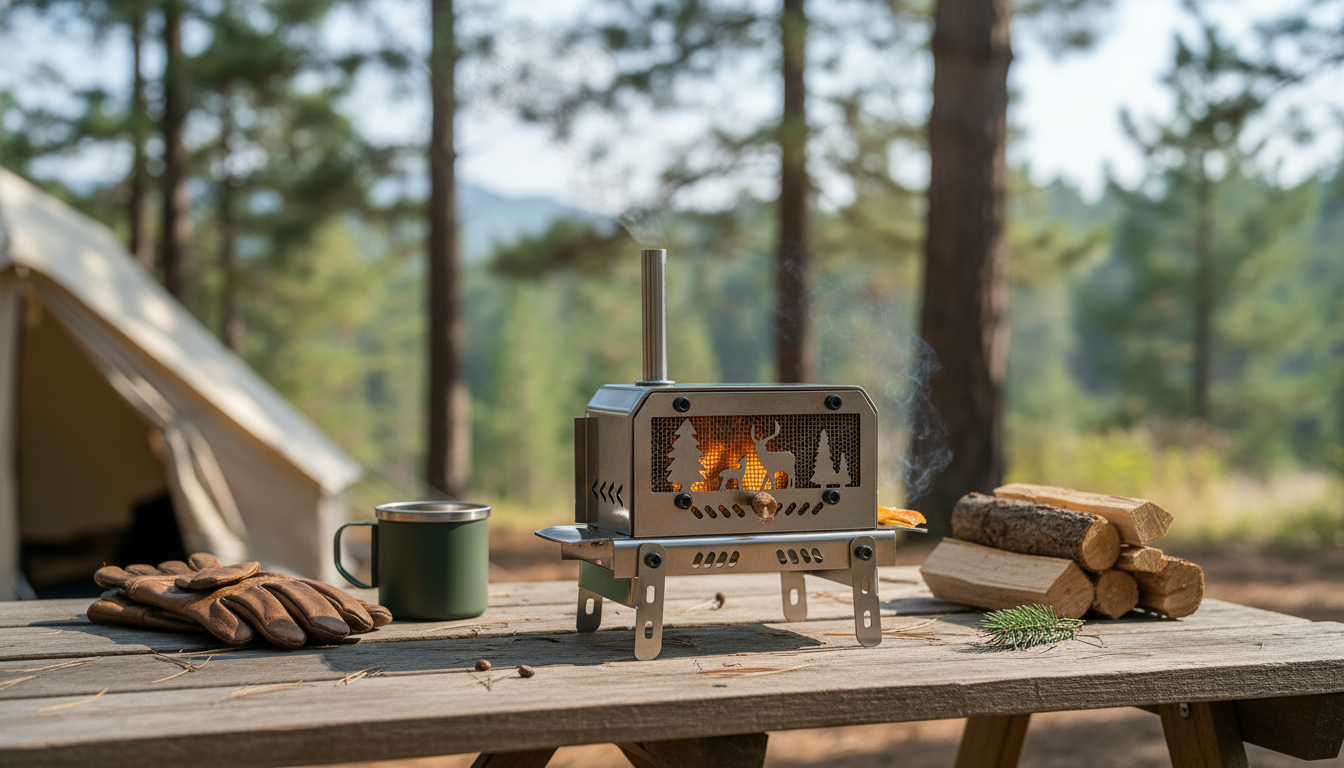
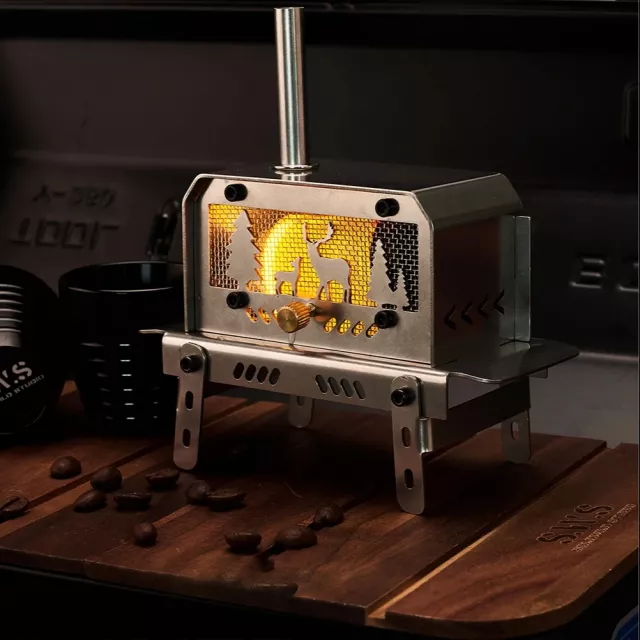
Stainless Steel Outdoor Mini Firewood Stove with Chimney & Aromatherapy Holder
A compact firewood stove can turn a campsite, patio, or backyard cook spot into a more comfortable, controllable fire setup. This stainless steel mini stove pairs a chimney-style draft with an aromatherapy holder to help direct smoke upward while adding a subtle scent element—useful for cooking, warming hands, and creating a cozier outdoor atmosphere.
What This Mini Stove Is Designed For
This style of outdoor stove is built for simple, practical heat in a smaller footprint—especially when a full-size fire pit feels like “too much” for the space or the task.
- Fast, contained fires for outdoor cooking and quick boil tasks
- A warmer, more focused heat source than an open campfire in many setups
- A chimney-assisted burn that can help move smoke upward when positioned correctly
- An aromatherapy holder for fragrance use alongside the fire (used with appropriate materials and care)
If you’re looking for a compact option that’s easy to set up and easier to manage than a sprawling ground fire, the Stainless Steel Outdoor Mini Firewood Stove with Chimney & Aromatherapy Holder keeps the flame contained while encouraging upward draft through the chimney.
Key Features That Matter Outdoors
Outdoor conditions punish gear: moisture, soot, ash, and temperature swings can wear down lightweight metals and fussy designs. The features below are the ones that tend to pay off in real-world use.
- Stainless steel body for corrosion resistance and easier cleanup after soot buildup
- Chimney design to encourage airflow and a more directed exhaust path
- Mini footprint that can suit small campsites, balconies (where allowed), and backyard corners
- Aromatherapy holder to add scent elements without placing materials directly in the main flame area
- Simple fuel approach: intended for firewood and small pieces of kindling
For day trips, weekend camping, or a quick backyard cook, the “small but steady” approach often works best: feed it dry wood in modest amounts, let the draft do its job, and keep the chimney area unobstructed for cleaner flow.
At-a-Glance Specs and Buying Checklist
Before the first burn, plan for where it will sit, what you’ll burn, and how you’ll put it out. A small stove still produces intense localized heat, and the surfaces can stay hot longer than expected.
- Confirm the stove’s intended use area (camping, patio, emergency backup cooking) and local fire rules
- Plan a stable, non-combustible base (flat stone, fireproof mat, or bare mineral soil where permitted)
- Bring fire-starting essentials: dry kindling, matches/lighter, and a small poker/tongs
- If using aromatherapy, choose materials that are safe to heat and won’t drip into the firebox
Quick Comparison: What to Check Before the First Burn
| Item to check | Why it matters | Practical tip |
|---|---|---|
| Stability and base | Reduces tip risk and prevents heat damage below | Use a level, non-flammable surface; avoid dry grass and wood decking |
| Airflow and clearance | Helps draft and limits smoke blowback | Leave space around the stove and keep the chimney unobstructed |
| Fuel size and dryness | Improves combustion and lowers heavy smoke | Use dry, split pieces; avoid wet or resin-heavy scraps |
| Aromatherapy materials | Avoids unwanted fumes and residue | Use purpose-made fragrance items; never burn plastics or unknown treated materials |
| Extinguishing plan | Prevents flare-ups and lingering embers | Keep water/sand nearby and confirm embers are cold to the touch before leaving |
How to Set It Up for a Cleaner Burn
A cleaner burn is usually the result of three things: good airflow, dry fuel, and not choking the firebox. Small stoves respond quickly, so minor changes in loading and wind direction can make a big difference.
- Choose an open, ventilated location away from overhangs, tents, and flammable gear
- Start with a small, hot fire: dry tinder and kindling first, then add small wood pieces
- Feed gradually rather than overloading; a compact stove performs best with consistent small additions
- Orient the stove so prevailing wind doesn’t push smoke back toward seating or cooking areas
- Let the stove warm up before adding aromatherapy items to reduce initial soot deposition
When you’re cooking, aim for steady heat instead of a roaring flame. For quick boiling, smaller split pieces often ignite faster and maintain a more predictable burn than chunky logs that smolder.
Using the Aromatherapy Holder (Comfort Without the Guesswork)
The aromatherapy holder is best treated as a “gentle add-on,” not a primary fire feature. Outdoors, airflow changes constantly, so a little scent can go a long way.
Safety Essentials for Wood-Burning Stoves
For credible safety guidance, review the CDC’s carbon monoxide (CO) poisoning prevention information, along with NFPA outdoor fire safety recommendations. If you’re camping, it also helps to follow Leave No Trace principles—especially around where and how fires are used.
Cleaning, Storage, and Long-Term Care
Suggested Gear Pairings (In Stock)
- Stainless Steel Outdoor Mini Firewood Stove with Chimney & Aromatherapy Holder — a compact, contained fire option for cooking and warmth outdoors.
- Men’s Genuine Leather Cowboy Belt with Copper Buckle for Jeans — a durable everyday accessory that fits well with outdoor and workwear wardrobes.
FAQ
Can this stove be used inside a tent or enclosed shelter?
No—wood-burning appliances can produce carbon monoxide and require open-air ventilation. Use outdoors only and follow local fire regulations.
What kind of wood works best in a small outdoor firewood stove?
Dry, split pieces and kindling sized for a compact firebox work best. Avoid wet wood and any treated or painted materials to reduce smoke and harmful fumes.
How should the aromatherapy holder be used safely?
Use heat-safe aromatherapy materials intended for warming, add small amounts, and keep them away from direct flame unless they’re designed for it. Stop right away if fumes become harsh or irritating.















Leave a comment