Minimal Round Ceramic Pot for Succulents: Clean & Modern
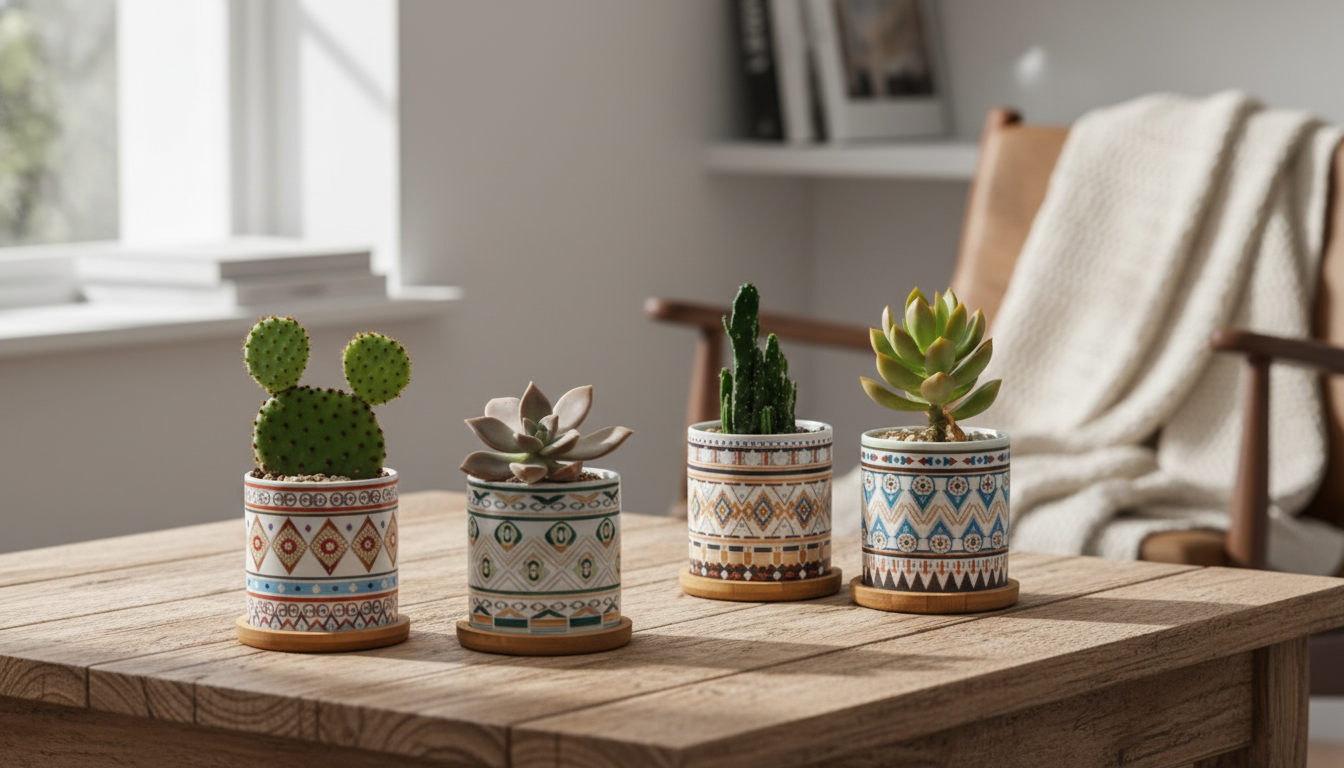
Circular Ceramic Flower Pot for Succulents and Small Plants – Minimalist Design
A clean, circular ceramic pot can make even the smallest succulent arrangement feel intentional—balancing visual calm with practical planting needs. This minimalist design is sized for compact plants and styled to fade into the background, letting foliage, color, and texture take the spotlight on desks, shelves, and windowsills. If a space feels visually “busy,” a simple round planter is an easy reset: one quiet object, one sculptural plant, and the room instantly reads more put-together.
Why a circular ceramic pot works so well for succulents
Succulents already have strong geometry—tight rosettes, stacked leaves, crisp edges—so the container matters. A circular ceramic profile supports those shapes without competing.
- Round silhouettes soften sharp lines in modern interiors and pair easily with wood, concrete, metal, and glass surfaces.
- Ceramic buffers temperature changes better than thin plastic, which can help small root zones stay more stable.
- A simple form keeps attention on plant structure—rosettes, trailing varieties, and clustered arrangements look naturally “designed.”
- The circular opening is composition-friendly, making it easy to center a single plant or balance a small trio without awkward corners.
Minimalist styling ideas for shelves, desks, and windowsills
Minimal styling isn’t about emptiness; it’s about intentional spacing and a few well-chosen textures.
- Create a “one material” moment: group the pot with a ceramic tray, neutral candle, or matte vase for a cohesive vignette.
- Use height variation: place the pot beside a taller plant or a short stack of books to add dimension without clutter.
- Match plant personality to the calm design: Echeveria, Haworthia, Aloe juvenna, and small Sedum varieties pair well with pared-back decor.
- Keep spacing consistent: on windowsills, repeat the same gaps between pots for a gallery-like rhythm; on desks, keep a single pot centered to reduce visual noise.
Planting basics: soil, drainage, and pot setup
In a small container, the right soil and watering routine matter more than fancy accessories. Succulents prefer oxygen around their roots and soil that dries predictably.
- Use fast-draining soil: choose a cactus/succulent mix, or blend regular potting soil with perlite or pumice to reduce water retention.
- Finish with a thin top dressing: grit or small stones reduce soil splash, keep lower leaves cleaner, and add a tidy, “complete” look.
- Water only after the soil dries out: deep, infrequent watering is typically better than frequent sips.
- If using a saucer, empty standing water promptly: it helps prevent soggy roots and reduces mineral rings on shelves and windowsills.
Quick setup checklist for small succulents
| Step | What to do | Why it helps |
|---|---|---|
| 1 | Add airy succulent soil mix | Reduces risk of root rot |
| 2 | Center plant and gently firm soil | Stabilizes roots without compacting |
| 3 | Top-dress with grit | Cleaner look and better airflow at soil surface |
| 4 | Water after initial settling (or wait 2–3 days if roots were disturbed) | Supports recovery and prevents overwatering |
Care tips to keep succulents thriving in a ceramic pot
A minimalist pot looks best when the plant stays compact, clean, and symmetrical. A few small habits go a long way.
- Light: aim for bright light; introduce stronger sun gradually to prevent scorch. A sunny window can work well, especially with a slow transition over a week or two.
- Rotation: turn the pot weekly so growth stays even rather than leaning toward the window.
- Fertilizer: use a diluted cactus/succulent fertilizer sparingly during active growth seasons.
- Leaf health: remove dead lower leaves to reduce hiding places for pests and keep the presentation crisp.
- Surface protection: add a felt pad or coaster under the pot to protect wood shelves and reduce moisture marks.
For deeper watering guidance, reputable references like the Missouri Botanical Garden and the Royal Horticultural Society offer reliable houseplant care principles that translate well to small succulents.
Where this pot fits best at home
- Entryway console: a small, tidy plant moment that sets a calm tone without using functional space.
- Bathroom vanity (with adequate light): ceramic and minimal lines pair naturally with spa-like styling and neutral palettes.
- Kitchen windowsill: compact herbs or hardy succulents add life without crowding prep areas.
- Bedroom nightstand: a single sculptural succulent adds softness without feeling busy.
Product highlights and what to expect
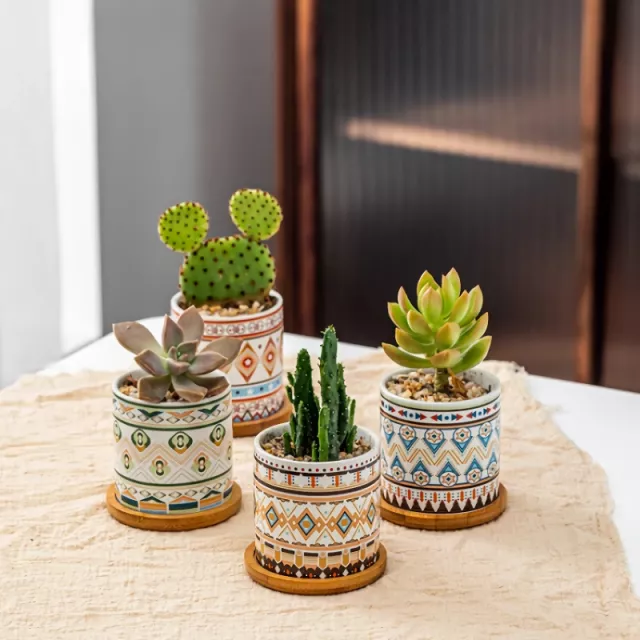
If the goal is a clean, modern planter that doesn’t steal attention from the plant, Circular Ceramic Flower Pot for Succulents and Small Plants – Minimalist Design is built for exactly that role. The ceramic construction gives it a more substantial feel than lightweight planters, while the circular shape keeps arrangements balanced and easy to style.
At-a-glance details
| Item | Details |
|---|---|
| Product | Circular Ceramic Flower Pot for Succulents and Small Plants – Minimalist Design |
| Price | 36.01 USD |
| Availability | In stock |
Simple styling combos for a finished look
More home favorites to coordinate your space
FAQ
Do succulents need a drainage hole in a ceramic pot?
Drainage is strongly preferred because succulents dislike sitting in wet soil. If the pot has no hole, water much more conservatively, consider using a nursery pot insert, and monitor dryness carefully so roots don’t stay soggy.
What soil should be used for succulents in a small ceramic planter?
Use a cactus/succulent mix or a blend of potting soil amended with perlite or pumice for faster drainage. Avoid dense, peat-heavy mixes that stay wet too long in small containers.
How often should succulents be watered in a small pot?
Water only when the soil is fully dry, then water thoroughly and let it drain. Frequency depends on light, temperature, and season; persistent softness or translucent leaves can signal overwatering, while wrinkling may indicate it’s time to water.













Leave a comment