Multi-Cat Self-Cleaning Litter Boxes: Safety & Odor Control
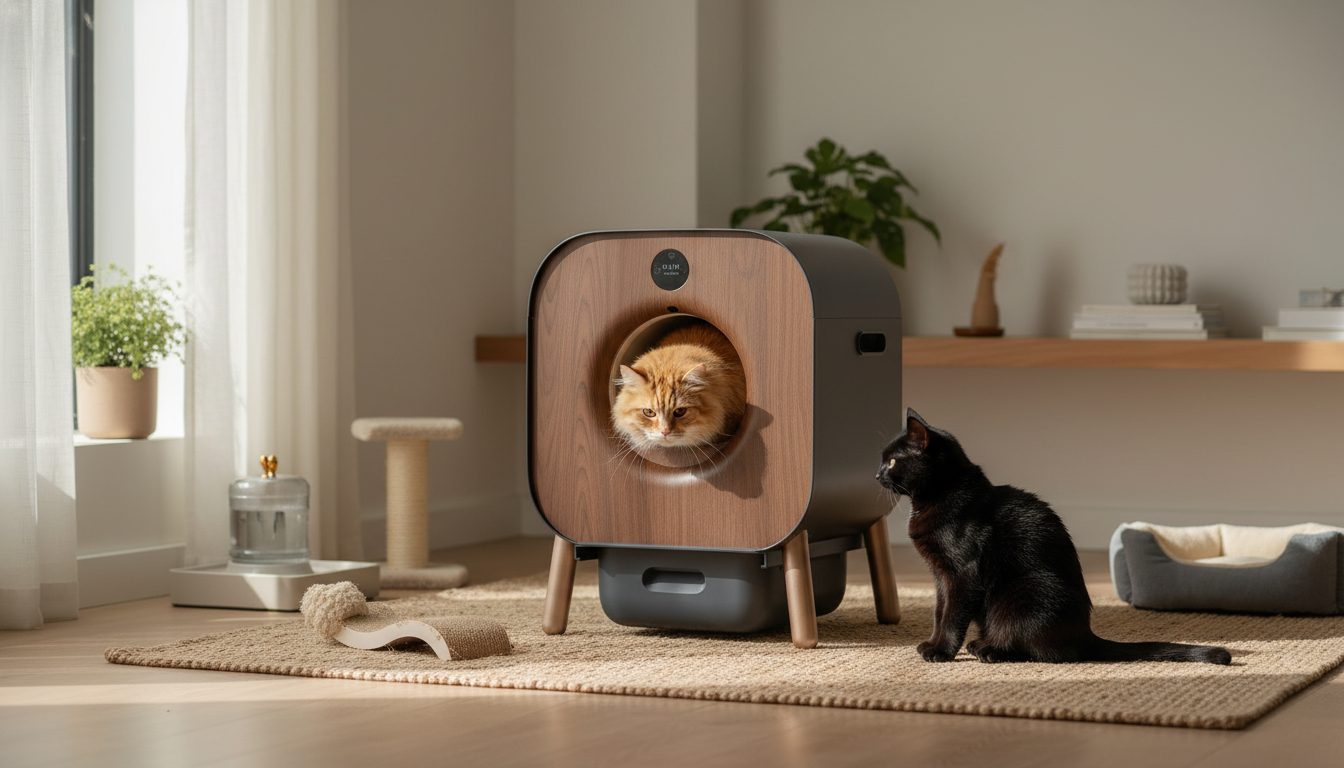
Automatic Self-Cleaning Litter Boxes for Multi-Cat Homes: Cleanliness, Odor Control, and Safety
Multi-cat homes need a litter setup that stays consistently clean, manages odor, and—most importantly—keeps curious cats safe around moving parts. An automatic self-cleaning litter box can reduce daily scooping while helping maintain a fresher space that encourages regular litter box use. The most helpful models for multiple cats combine reliable waste separation with smart safety sensors, stable construction, and an easy routine for emptying and wiping down key surfaces. Below is a practical framework for evaluating safety, capacity, and day-to-day usability, followed by a closer look at a self-cleaning option designed with multi-cat households in mind.
What matters most in a multi-cat automatic litter box
Cleaning frequency and cycle logic
With multiple cats, waste builds up quickly, and litter can become unpleasant (or avoided) faster than expected. Look for cycle timing that’s consistent and sensible—fast enough to keep the litter bed usable, but not so frequent that it triggers during peak “bathroom rush” hours.
Odor control that works between emptying days
Odor problems in multi-cat homes usually come from waste sitting too long or from poor separation between the litter chamber and the waste bin. A sealed waste drawer, well-fitting liners, and a design that isolates clumps from clean litter can make a noticeable difference.
Capacity and “real-life” maintenance
Automation doesn’t eliminate upkeep—it changes it. The right unit is one where the waste drawer won’t overflow before your next scheduled emptying and where routine wipe-downs don’t require a full teardown.
Cat acceptance: entry, stability, and stress level
Even the best features don’t matter if a cat refuses to use the box. A roomy opening, stable footing, and a low-drama cleaning motion help reduce litter box standoffs and accidents elsewhere in the home.
Noise and location fit
In a busy household, the unit may run more often, so motor noise matters. So does footprint—many homes end up placing the box in a laundry room, bathroom, or a corner, where clearance and easy access can be limiting factors.
Safety features that help prevent scares and injuries
Presence detection that pauses or stops movement
The single most reassuring safety behavior is simple: if a cat approaches or re-enters, the unit should pause or stop a cleaning cycle. This helps prevent contact with moving components and reduces the chance a nervous cat bolts and avoids the box later.
Anti-pinch and anti-trap design
Well-designed guards, controlled movement paths, and enclosed mechanisms can reduce the chance of paws or tails getting caught. In multi-cat homes, this is especially important because cats may investigate while another cat has just used the box.
Stable base and anti-tip balance
Fail-safes and safe restart behavior
Kitten and small-cat considerations
Choosing the right size and capacity (quick comparison)
| Consideration | Why it matters | What to look for |
|---|---|---|
| Safety sensors | Prevents movement when a cat is inside/nearby | Automatic pause/stop detection and safe restart behavior |
| Waste drawer capacity | Reduces overflow and odor spikes | Sealed bin, easy-to-change liners, clear “full” cues |
| Odor containment | Multi-cat odor builds quickly | Gasketed drawer, effective separation, optional deodorizing features |
| Footprint and entry | Cats need comfortable access; homes need a fit | Stable step-in height, non-slip surfaces, roomy opening |
| Cleaning routine | Automation still needs periodic wipe-down | Smooth surfaces, accessible corners, easy disassembly |
Also consider whether you still need an extra box. Many cat-care guidelines recommend multiple litter stations for multi-cat households, and even with automation, a second (standard) box can reduce bottlenecks and tension. For additional litter box management guidance, see resources from the Cornell Feline Health Center and the American Association of Feline Practitioners (AAFP).
Daily, weekly, and monthly care for reliable performance
Daily (or near-daily) quick checks
Weekly wipe-down
Monthly deep clean
Placement and household flow
Helping multiple cats share the box peacefully
Introduce the unit gradually
Keep litter familiar
Reduce crowding at the entry
Maintain a backup option during the switch
Product spotlight: Automatic Self-Cleaning Litter Box with Safety Features for Multi-Cat Households
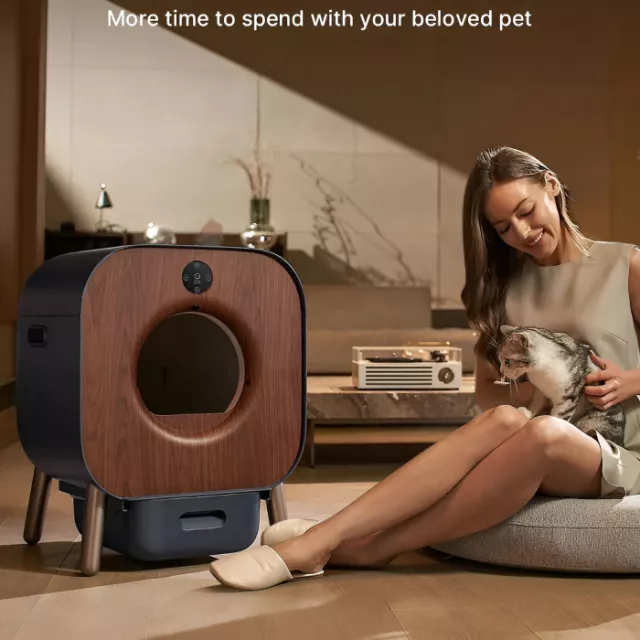
For homes aiming to cut down on scooping while staying attentive to safety, the Automatic Self-Cleaning Litter Box with Safety Features for Multi-Cat Households is built around the everyday reality of shared use: more visits, faster odor buildup, and more chances for a curious cat to approach mid-cycle.
If your home includes other pets and you’re building a more streamlined care routine overall, pairing litter automation with a simple grooming setup can also help cut down on shed fur and tracked debris. The Large Dog Slicker Brush & Comb Set for Doodles, Poodles and Long Coats is a practical add-on for multi-pet homes where frequent brushing reduces mess and helps keep shared spaces cleaner.
FAQ
Is an automatic self-cleaning litter box safe for kittens or very small cats?
Check the manufacturer’s minimum weight/age guidance and supervise early use, especially during the first week. Safety sensors can reduce risk, but gradual introductions and good placement are still important for kittens.
How often should the waste drawer be emptied in a multi-cat home?
Start by checking daily for the first 1–2 weeks, then set a schedule based on how fast it fills; many multi-cat homes land somewhere between every 2–5 days. Emptying before it’s packed full helps control odor and keeps clumps from piling high.
Will multiple cats actually share one automatic litter box?
Many cats will share successfully when the unit is roomy, placed in a low-stress location, and kept consistently clean. If you see guarding, stress, or frequent “waiting turns,” adding a second box can reduce conflict quickly.















Leave a comment