Natural Lip Rescue Guide: Fast Relief for Dry Lips
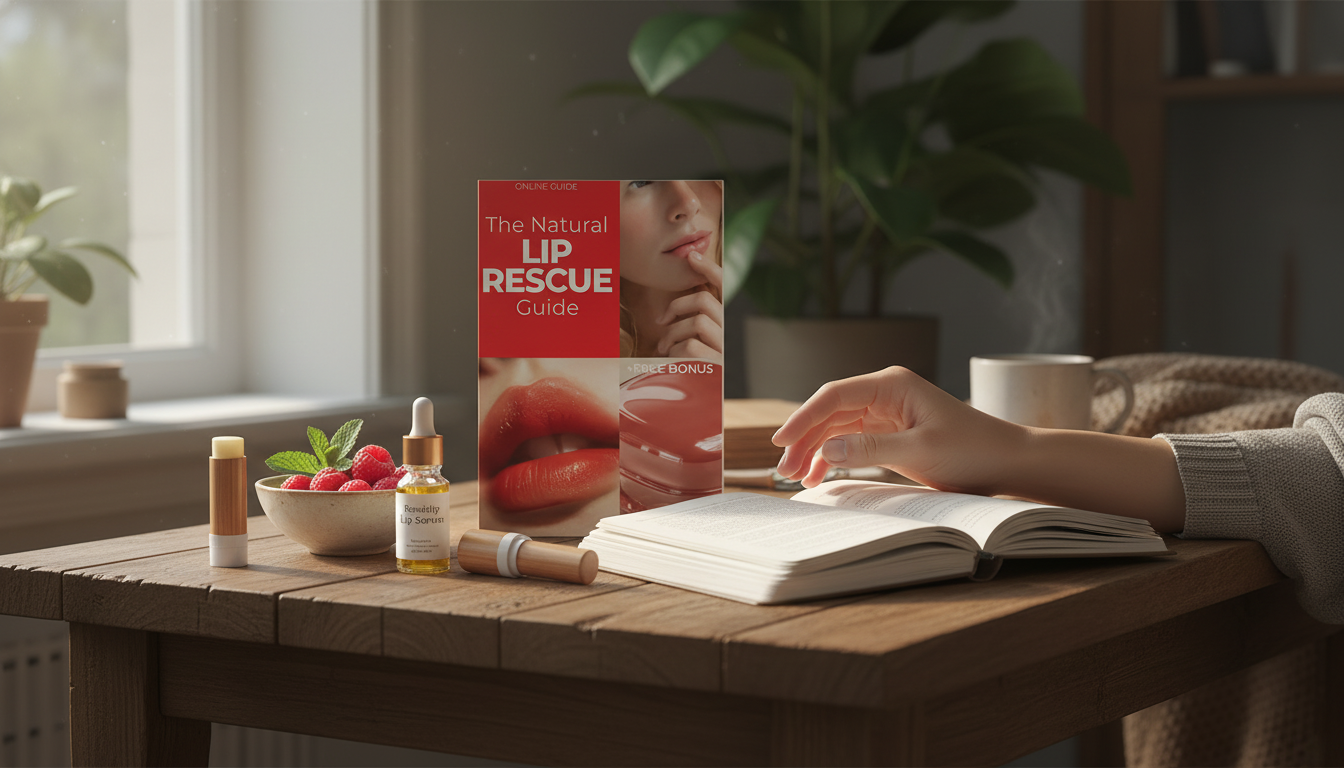
The Natural Lip Rescue Guide: Your Ultimate Natural Remedy for Dry Lips
Dry, cracked lips can come from weather, dehydration, irritating ingredients, or simple habits like licking. A natural approach focuses on restoring the lip barrier, reducing irritation, and locking in moisture with gentle, effective basics. This guide maps out common causes, fast relief steps, and an easy routine for smoother, more comfortable lips year-round.
Why Lips Get Dry So Easily
Lips are built differently than the rest of your facial skin, which is why they can go from “fine” to painfully chapped in a day. The outer layer is thinner, and lips have fewer oil glands—so water escapes fast and protective lipids don’t replenish as easily.
- Weather and indoor air (cold, wind, heating) lower humidity and speed up water loss.
- Sun exposure can trigger dryness and peeling, especially at high elevation or around reflective surfaces like snow and water.
- Lip-licking gives quick relief, but saliva evaporates and leaves lips drier than before.
- Irritating products (fragrance, flavorings, menthol, camphor, strong essential oils) can inflame the lip line and make chapping linger.
For dermatologist-backed prevention tips, the American Academy of Dermatology Association has a helpful overview: Chapped lips (tips and prevention).
Quick Relief: What to Do When Lips Are Already Cracked
When lips are actively cracked, the goal is to stop the “irritation cycle” and reduce moisture loss. Think: calm, cover, and protect.
- Pause potential irritants for 3–7 days: skip flavored/tingly balms, fragranced lip products, and strong exfoliants.
- Apply a bland occlusive layer frequently, especially after eating/drinking and before bed. Occlusives form a protective film to slow water loss.
- Use a nighttime “seal-in” method: apply a tiny amount of gentle moisturizer (or aloe-based gel if tolerated), then top with an occlusive layer.
- Don’t pick peeling skin. First soften with an ointment, then gently wipe only loose flakes with a damp washcloth.
- If corners are split or painful, keep the area protected and dry after meals. If cracks persist, ooze, or crust, seek medical advice.
Dry environments can make any routine harder. The Mayo Clinic’s dry-skin guidance (many principles apply to lips too) is a solid reference: Dry skin: symptoms & causes.
Natural Ingredients That Tend to Help (and What to Skip)
Natural lip care works best when it’s simple and barrier-focused. “More botanicals” isn’t always better—especially if you’re sensitive or already cracked.
- Occlusives that protect: petrolatum, lanolin (if tolerated), beeswax, and plant butters like shea or cocoa help support the barrier and reduce water loss.
- Soothers: colloidal oatmeal, calendula, and mild aloe can calm discomfort (aloe is best paired with an occlusive so it doesn’t evaporate off).
- Humectants: glycerin and hyaluronic acid attract water and can help plump dryness—but they work best when sealed with an occlusive layer.
- Be cautious with: peppermint, cinnamon, citrus oils, eucalyptus, menthol, camphor, and heavy fragrance—common triggers for stinging and irritation.
- If dryness won’t quit, consider contact sensitivity to lip products, toothpaste flavorings, or mouth-breathing at night.
Lip-Safe Choices: What Helps vs. What Can Backfire
| Goal | Often Helpful | Often Problematic | Simple Swap |
|---|---|---|---|
| Seal in moisture | Petrolatum, beeswax, shea butter | Tingly balms (menthol/camphor) | Use a plain ointment overnight |
| Reduce irritation | Fragrance-free formulas | Fragrance/flavor oils (peppermint/cinnamon) | Choose unflavored lip care |
| Smooth flakes | Damp washcloth after softening | Harsh scrubs/sugar scrubs on cracks | Soften first, then gently wipe |
| Daytime protection | SPF lip balm (broad-spectrum) | No SPF during heavy sun exposure | Keep SPF balm in bag/car |
A Simple Daily Routine for Soft, Comfortable Lips
A steady routine beats constant product-hopping. Give a gentle plan at least a week so your lip barrier can catch up.
- Morning: apply a protective layer after brushing teeth. If you’ll be outside, choose a broad-spectrum SPF lip product.
- Midday: reapply after meals and drinks. Instead of rubbing with napkins, dab gently and re-protect.
- Evening: cleanse gently (avoid harsh makeup remover along the lip line) and apply a thicker protective layer.
- Overnight: keep a bedside balm/ointment to reapply if you wake up with tightness—especially in dry climates.
- Lifestyle support: hydrate, run a humidifier in winter, and limit very salty/spicy foods if they sting cracks.
Common Mistakes That Keep Lips Chapped
When Dry Lips Might Need Extra Help
For a clear overview of product-related irritation, MedlinePlus is a reliable starting point: Contact dermatitis.
The Natural Lip Rescue Guide: What’s Inside and How to Use It
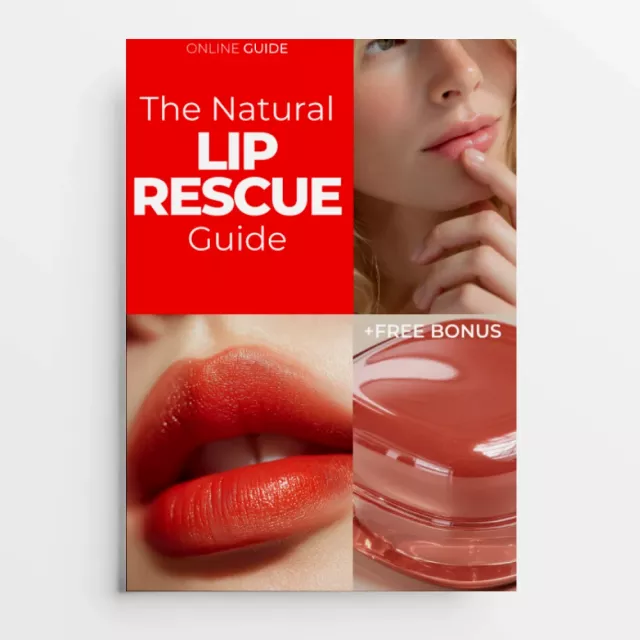
If you want a quick-reference plan you can follow during flare-ups and keep using when things calm down, The Natural Lip Rescue Guide: Your Ultimate Natural Remedy for Dry Lips lays it out step by step.
More in-stock picks
- Men’s Genuine Leather Cowboy Belt with Copper Buckle for Jeans
- Large Dog Slicker Brush & Comb Set for Doodles, Poodles and Long Coats
FAQ
Why do my lips stay dry even when I use lip balm all day?
Many balms contain flavorings or tingly ingredients that can irritate, plus frequent lip-licking and low humidity can keep moisture loss high. Switch to a bland, fragrance-free protective ointment and add a thicker “seal-in” layer at night for a full week before reassessing.
Is it okay to exfoliate peeling lips?
Yes, but only gently: soften first with a protective layer, then lightly wipe away loose flakes with a damp washcloth. Avoid sugar scrubs or gritty exfoliants on cracks, and stop if stinging or bleeding happens.
What’s the fastest natural way to heal cracked lips overnight?
Skip irritants, then apply a thick occlusive layer right before bed (reapply if you wake up tight or dry). If your room air is dry, a humidifier can help; seek care if fissures persist, ooze, or crust.















Leave a comment