Outdoor 2-Person Infrared Sauna: Basswood, Low-EMF
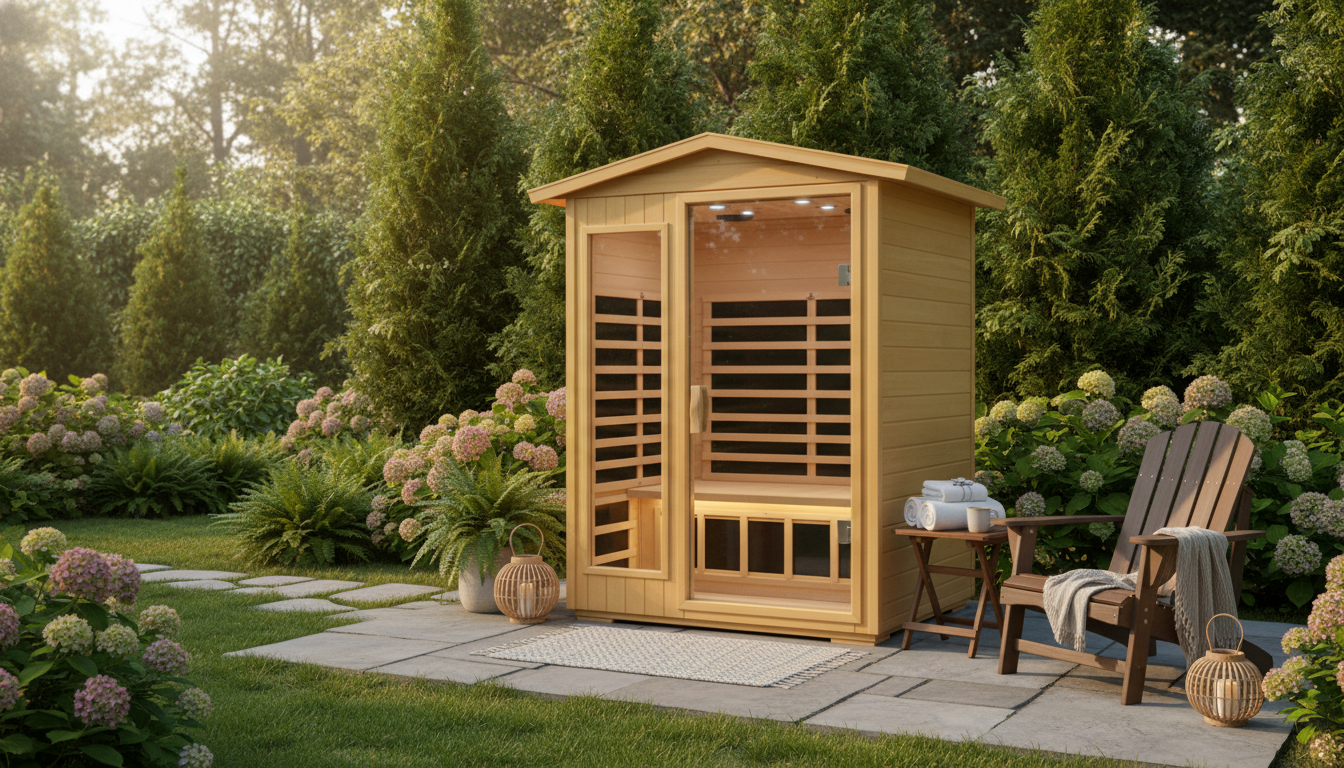
Outdoor 2-Person Far Infrared Sauna in Basswood with Low-EMF Heating Panels
A compact outdoor sauna can turn a patio or backyard into a reliable recovery and relaxation zone. This two-person far infrared model pairs basswood construction with low-EMF heating panels for steady, comfortable heat—suited to solo sessions, shared wind-down time, and year-round routines when installed and cared for correctly. For more guidance, see Far Infrared Home Sauna | Toxin-Free & Lifetime Guarantee.
What This Outdoor Far Infrared Sauna Is Designed For
This outdoor two-person infrared setup is built for repeatable, low-fuss sessions that fit into real life—before work, after training, or as a nightly reset. The cabin is sized for two, but that extra space also makes solo use more comfortable when you want to stretch, shift positions, or take quick seated breaks without feeling cramped. For further reading, see Toxin Free | SaunaRay.
- Comfortable two-person seating for couples or extra room for solo stretching and cooling breaks
- Far infrared warmth that feels gentler and more breathable than high-humidity steam for many users
- Outdoor placement to keep heat, moisture, and aroma out of the main living space
- Low-EMF heating panel design aimed at reducing unnecessary electromagnetic exposure compared with some alternatives
- A dedicated, repeatable routine: pre-heat, sweat session, cool-down, and hydration
For general heat-device safety and practical cautions, it’s worth reviewing guidance from authoritative sources like the NIH (NCCIH) sauna overview and the Cleveland Clinic’s sauna benefits and risks.
Basswood Construction: Feel, Durability, and Care
Basswood is often chosen for comfort-forward sauna interiors. It tends to feel smooth against bare skin and is less likely to irritate with rough grain or splinters when maintained well. Many people also appreciate that basswood is typically lighter in aroma than strongly scented softwoods, which can be a plus for users sensitive to wood smell.
- Basswood is valued for a smooth, low-splinter feel that stays comfortable against bare skin
- Typically lighter in scent than aromatic softwoods—useful for users sensitive to strong wood aromas
- Stable structure when protected from direct standing water and prolonged soaking conditions
- Outdoor longevity depends on placement: elevate slightly, ensure drainage, and avoid sprinkler overspray
- Cleaning approach: wipe down benches and walls after use; avoid harsh chemicals that can soak into wood
Outdoor placement is where durability is “earned.” If rainwater can pool around the base, or if sprinklers regularly soak the cabin, any wood sauna will age faster. A small lift off the ground, good drainage, and a breathable cover strategy (when needed) go a long way toward keeping basswood looking clean and feeling fresh.
Low-EMF Heating Panels and the Far Infrared Heat Experience
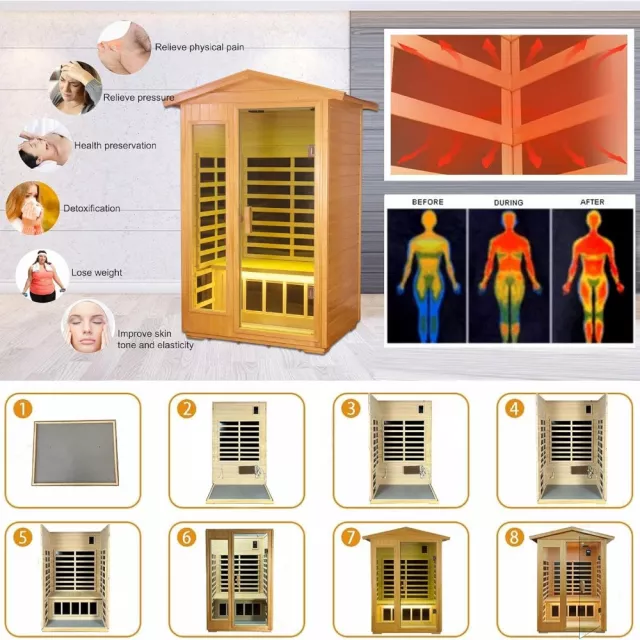
Far infrared saunas rely on radiant energy designed to warm the body directly, so many users run sessions at lower air temperatures than a traditional hot-rock sauna. The overall feel is often described as more breathable because you’re not sitting in heavy steam—just consistent dry warmth.
- Heating panels are positioned to warm the body more evenly, helping reduce “hot spot” discomfort
- Far infrared sessions are often run at lower ambient air temperatures than traditional saunas, while still encouraging a deep sweat
- Low-EMF emphasis is most meaningful when paired with correct installation and intact wiring connections
- Pre-heat timing varies with outdoor temperature; colder climates may require longer warm-up periods
- Comfort tips: start with shorter sessions, sit on a towel, and rotate position for more even warmth
Low-EMF claims can vary by manufacturer and model design, so the practical takeaway is to install the unit as directed, keep electrical connections in good condition, and use an appropriate circuit. For general information on infrared devices, the FDA’s infrared lamp resource offers helpful context.
Outdoor Setup Considerations (Patio, Deck, or Garden Pad)
A great outdoor sauna experience starts with a stable base and smart placement. Because the unit will heat up, cool down, and experience seasonal swings, it helps to think like a homeowner: level surface, reliable power, airflow, and manageable weather exposure.
Everyday Use: A Simple Session Routine
Maintenance and Seasonal Protection
Quick Specs Snapshot
| Feature | What to Look For | Why It Matters Outdoors |
|---|---|---|
| Capacity | 2-person interior | More comfort for solo sessions and shared use |
| Heating type | Far infrared panels | Gentler feel for many users; steady radiant warmth |
| EMF approach | Low-EMF heating panel design | Preference-based comfort and peace of mind |
| Wood type | Basswood | Smooth feel and easier everyday wipe-down |
| Placement | Outdoor-ready setup | Keeps heat and humidity out of the home |
In-Stock Picks for an Outdoor Relaxation Setup
- Outdoor 2-Person Far Infrared Sauna with Basswood Wood and Low EMF Heating Panels
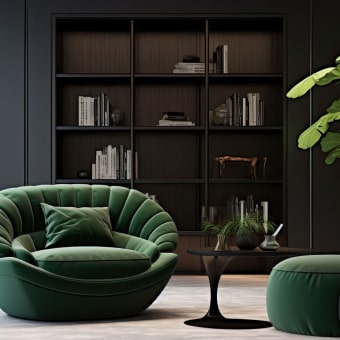
- 65″ Blue Mid-Century Loveseat No-Tool Assembly 2-Seater Sofa (a comfortable cool-down seat for a covered patio or indoor recovery corner)
FAQ
How long does an outdoor infrared sauna take to heat up?
Many outdoor infrared saunas warm up in roughly 20–45 minutes, but wind, ambient temperature, and how sheltered the placement is can push that longer. In winter, plan extra pre-heat time so the cabin and benches feel comfortably warm before you start your session.
Is basswood a good choice for an outdoor sauna?
Basswood is a comfortable, smooth-feeling interior wood and can stay stable with normal sauna use. Outdoors, durability depends heavily on good drainage, slight elevation off the ground, airflow after sessions, and preventing standing water or frequent soaking from sprinklers or runoff.
What does low-EMF mean for infrared sauna panels?
EMF refers to electromagnetic fields produced by electrical components, and “low-EMF” generally indicates a design intended to minimize those levels compared with some alternatives. Because results depend on the specific build and installation, follow the manufacturer’s instructions closely and use a properly grounded, dedicated circuit when recommended.













Leave a comment