Plush Squeak Dog Toy: Safer Chewing & Cleaner Teeth
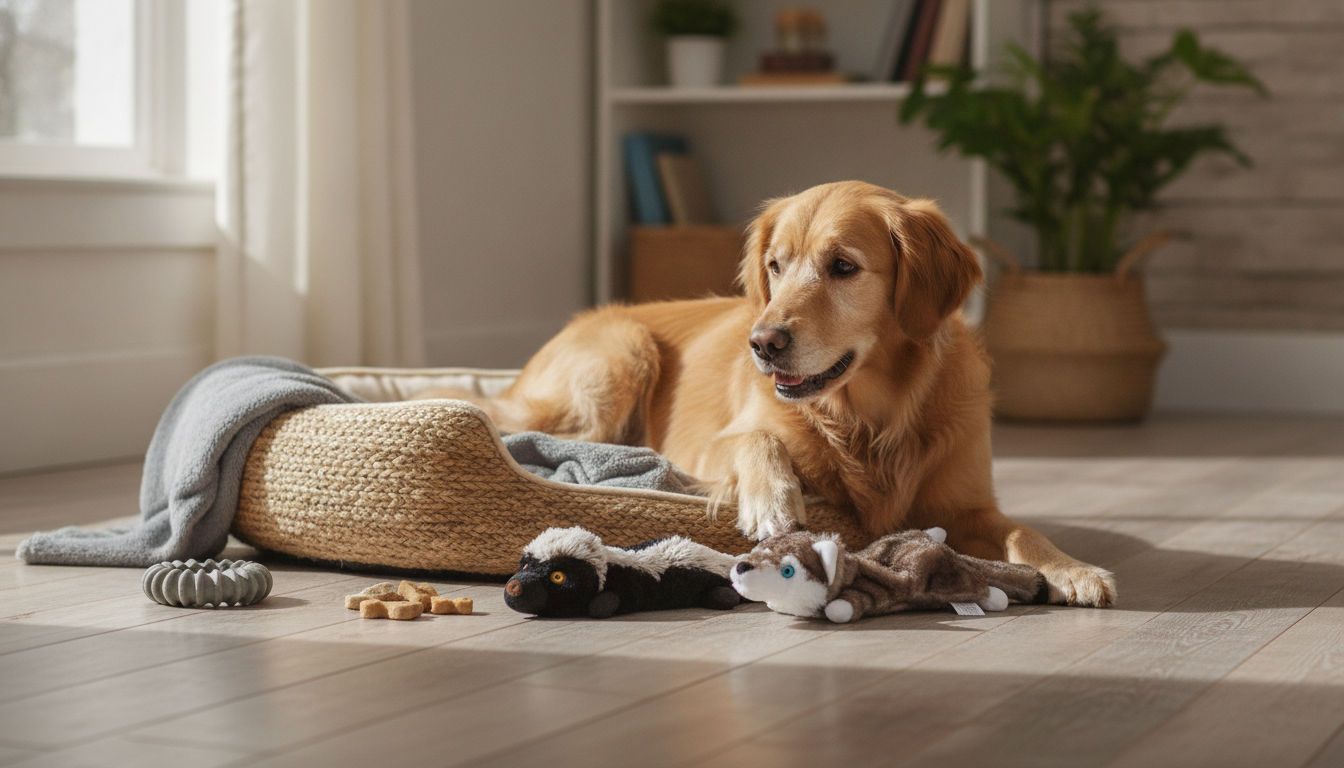
Plush Squeak Dog Toy for Chewing & Teeth Cleaning: A Practical Guide
A plush squeaky chew toy can do more than entertain—it can channel chewing into a safer outlet, add mental stimulation through sound, and support daily mouth care habits when used correctly. This guide covers what to look for in a plush squeak toy designed for chewing and teeth cleaning, how to use it safely for different chewers, and simple routines to keep playtime fun and more hygienic.
Why plush squeak toys work for chewers
Chewing is a normal, needs-driven behavior. When dogs don’t have a clear “yes” option, they often create one—table legs, shoes, throw pillows, or the edge of a rug. A plush squeak toy gives many dogs a satisfying alternative, especially puppies and high-energy breeds who need frequent outlets for their mouths.
The squeaker adds a powerful reward loop. The dog bites, the toy squeaks, and the brain says “do that again.” That simple feedback can keep solo play going longer and make interactive games (fetch, gentle tug, “find it”) more engaging.
Plush texture is also a big reason these toys get chosen first. For dogs who dislike rigid chews, have sensitive mouths, or are older and prefer softer materials, plush can feel gentler on gums while still encouraging productive chewing time.
Even so, plush toys work best when they support—not replace—consistent dental care like brushing and veterinary checkups.
Teeth-cleaning support: what a toy can (and can’t) do
Chewing can help with light surface debris by increasing saliva flow and creating mild friction where the toy contacts teeth. That can support fresher breath day-to-day, particularly when chewing is calm and regular.
What plush toys cannot do well is remove plaque at the gumline in the way brushing can. Plaque can harden into tartar, and tartar typically requires professional cleaning to remove. For at-home oral care, daily brushing remains the most reliable step, a point echoed by veterinary organizations like the AVMA and the AAHA.
If gums bleed, breath is persistently foul, or your dog avoids chewing on one side, schedule a veterinary dental exam. Those signs can point to pain, infection, or tooth damage that a toy won’t solve.
| Activity | Primary benefit | Best frequency | Notes |
|---|---|---|---|
| Plush squeak chew play | Enrichment + chewing outlet | Daily (supervised) | Helps engagement; limited plaque control compared with brushing |
| Tooth brushing (dog-safe toothpaste) | Plaque control at the gumline | Daily | Most reliable at-home dental step |
| Dental chews approved by VOHC (when appropriate) | Plaque/tartar reduction support | As directed | Match chew type to size and chewing style; see the VOHC accepted products list |
| Veterinary dental cleaning | Removes tartar + evaluates teeth | As advised by vet | May require anesthesia depending on procedure |
Key features to look for in a plush squeak chew toy
Not all plush squeak toys are built the same. If chewing and cleaner play are the goals, these details matter:
- Stitching and seams: Reinforced seams reduce early tearing. Check high-stress points (ears, corners, limbs) before each session.
- Squeaker placement: A securely enclosed squeaker lowers the chance of access if the toy gets damaged.
- Size and shape: Choose a size that can’t be swallowed. The toy should be large enough for a safe grip without getting lodged in the throat.
- Texture variety: Mixed textures can keep interest longer and may encourage gentler, longer chewing sessions.
- Washability: Easy cleaning supports better hygiene, especially for toys used daily.
How to use it for healthier chewing habits
The way a plush squeak toy is introduced often determines whether it becomes a calm chew companion or a five-minute shredding project.
- Start small: Begin with 5–10 minutes of supervised chewing. If your dog stays focused without ripping seams, gradually extend time.
- Rotate for novelty: Keep only a few toys out at once. A simple rotation schedule can reduce fixation and help prevent “I’ll chew the couch because I’m bored” moments.
- Use squeaks strategically: Build manners with “drop it,” “trade,” and “bring.” The squeaker becomes a reward for cooperation, not a trigger for frantic tearing.
- Offer after activity: Post-walk or post-play is ideal. When arousal is lower, dogs tend to settle into steadier chewing.
- Puppy note: Teething can increase intensity. Supervise closely and be ready to remove plush if shredding starts.
Safety checklist for plush squeak toys
Cleaning and care for longer-lasting play
When to choose a different type of chew toy
In-stock picks for play and care
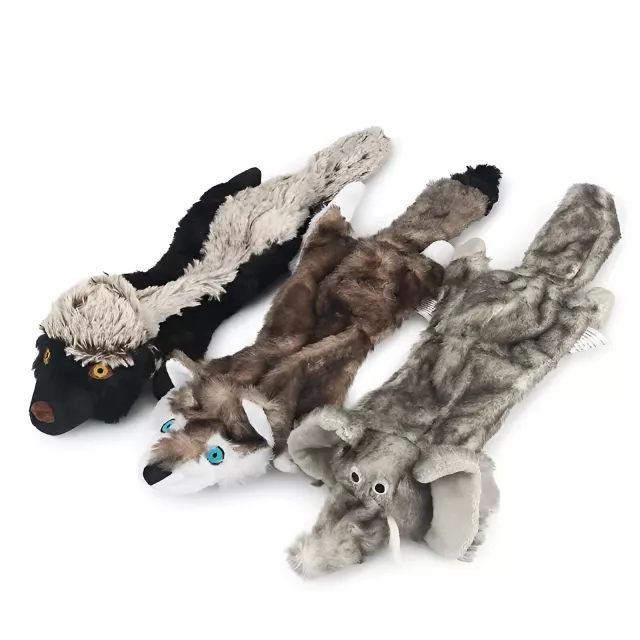
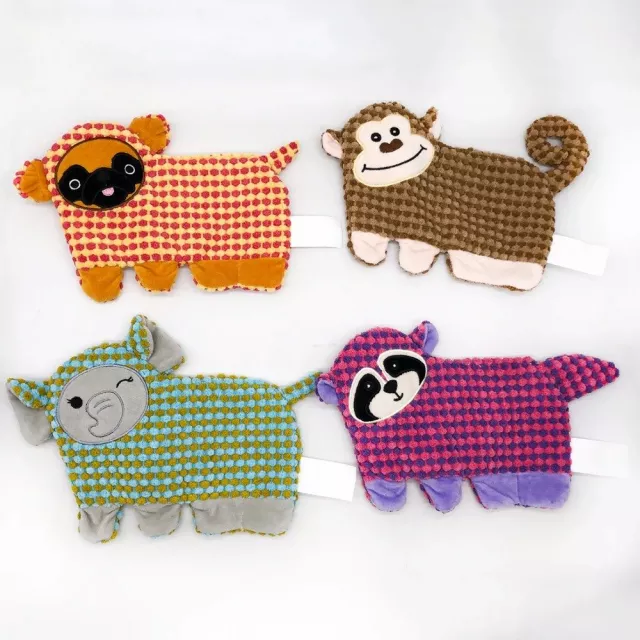
- Plush Squeak Dog Toy for Chewing & Teeth Cleaning for supervised daily chewing and squeaky enrichment.
- Large Dog Slicker Brush & Comb Set for Doodles, Poodles and Long Coats to support a cleaner coat (helpful if your dog tends to rub a drooly face into fur after play).
FAQ
Is a plush squeak chew toy safe for puppies that are teething?
Yes, with supervision and the right size. Keep sessions short, inspect seams often, and remove the toy if the puppy starts shredding or swallowing fabric.
Can chewing a plush toy actually clean a dog’s teeth?
Chewing may help with light surface debris and saliva flow, but it does not replace brushing or veterinary dental care. For meaningful plaque control, daily brushing is the most reliable at-home step.
How often should a plush squeak toy be washed?
Wash on a regular schedule based on use—weekly for daily play is a common baseline—plus immediate cleaning after messy sessions. Make sure it dries completely before giving it back to your dog.












Leave a comment