Plush Winter Vest for Small Dogs & Cats: Fit & Care
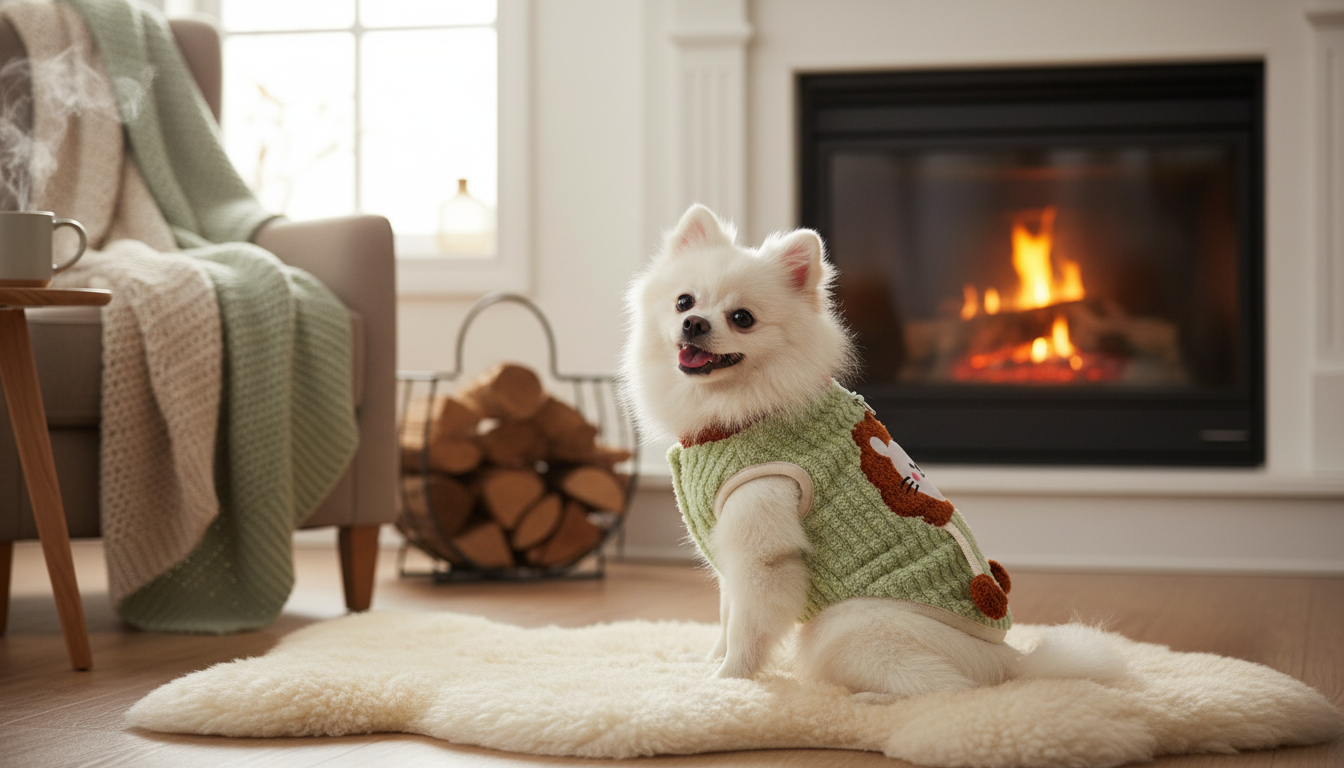
Cozy Plush Winter Vest for Small Dogs & Cats
Cold walks, chilly floors, and drafty mornings can be tough on small pets. A plush winter vest adds warmth without restricting movement, helping dogs and cats stay comfortable during quick potty breaks, neighborhood strolls, and indoor lounging. For pets that cool down fast, a soft layer can make winter routines feel calmer and more consistent.
When a winter vest helps most
Not every pet needs extra layers, but smaller bodies often lose heat quickly—especially when the weather changes fast between outdoors and heated indoor spaces. A cozy vest is especially helpful in these situations:
- Small breeds and petite cats that lose body heat quickly
- Short-haired pets and seniors that chill easily on cool surfaces
- Pets that tremble outdoors, hesitate on walks, or curl up tightly to stay warm
- Apartment living with cold floors or frequent door drafts
- After grooming or bathing when a pet’s coat provides less insulation
If your pet regularly shivers, seeks heat vents, or becomes reluctant to move outside, a vest can be a simple way to improve comfort—along with shorter outings and a warm, dry return indoors.
Warmth and comfort features to look for
The best winter vest for a small dog or cat should warm the core while staying easy to wear. Look for a balance of cozy materials and a fit that doesn’t rub or pinch.
- Plush lining that feels soft against the coat and helps trap warmth
- Lightweight insulation so the vest stays cozy without feeling bulky
- A secure, easy-on closure that reduces fuss for wiggly pets
- Comfortable arm and neck openings that don’t rub during movement
- A fit that covers the chest and back where pets lose heat fastest
Quick fit check before heading out
| Check | What to look for | Quick fix if needed |
|---|---|---|
| Neck | Comfortable spacing; not pressing the throat | Loosen closure or size up if breathing seems noisy or restricted |
| Chest | Snug but not tight; allows easy shoulder movement | Adjust closure; ensure fabric isn’t pulling at the armpits |
| Back length | Covers back without bunching near the tail | Try a different size if it rides up or curls |
| Movement | Pet can sit, turn, and walk normally | Reposition vest and confirm openings aren’t too small |
| Heat | Pet stays warm but not panting indoors | Remove vest indoors if the room is warm |
Sizing and measuring for small dogs and cats
Small pets can be surprisingly tricky to fit because a half-inch difference can change how a vest sits at the chest and under the arms. Measuring first helps prevent rubbing and “freezing” behavior on the first wear.
- Measure chest girth at the widest part of the ribcage for the most accurate fit
- Measure neck girth where a collar naturally sits (not too high on the throat)
- Measure back length from the base of the neck to the start of the tail
- If between sizes, choose the size that fits the chest first, then adjust for neck/back
- For fluffy coats, measure with the coat in its natural state (not compressed)
After you put the vest on, do a quick comfort check: run your fingers along the armpit area and chest panel, then watch your pet take a few steps. Smooth, normal movement is the best sign the fit is right.
Getting your pet used to wearing a vest
Even gentle pets can act a little dramatic when something new touches their shoulders or back. A calm, step-by-step introduction usually makes the change feel routine.
- Start with short indoor sessions (2–5 minutes) and reward calm behavior
- Let the pet sniff the vest first; avoid forcing it over the head if that causes stress
- Check for rubbing at the armpits and chest after the first few wears
- Increase wear time gradually before using it on longer walks
- Always supervise initially; remove if chewing, freezing, or frantic rolling happens
Care tips to keep the plush soft
Winter safety reminders for dogs and cats
A warm vest is a helpful tool, but winter safety also depends on time outdoors, paw care, and watching for cold stress. For broader cold-weather guidance, see the AVMA cold weather safety tips, the ASPCA cold weather safety guidance, and these AKC winter safety tips.
A cozy option for small pets
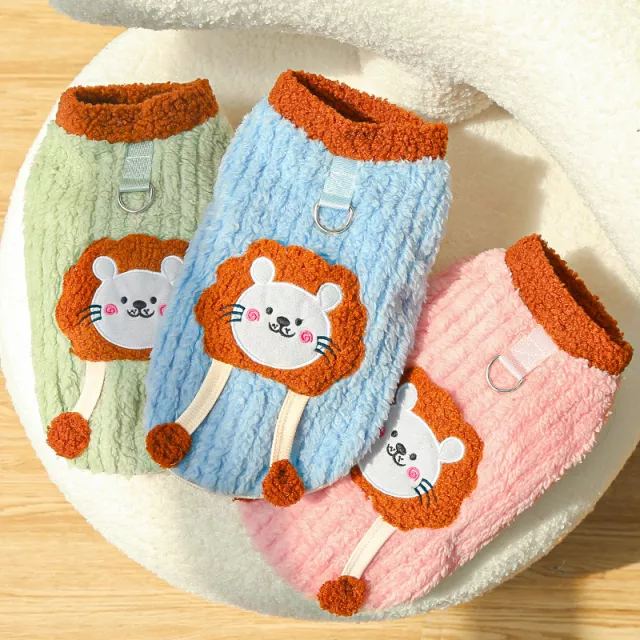
If you’re looking for a soft, warm layer designed for smaller bodies, the Cozy Plush Winter Vest for Small Dogs & Cats is an easy way to add comfort during cold snaps. It’s a practical choice for quick outings, daily walks in cool conditions, and indoor warmth on chilly floors—especially for pets that tend to shiver or curl up tightly.
To keep winter routines upbeat, consider pairing warmth with enrichment indoors. The Plush Squeaky Cartoon Octopus Dog Toy can help burn a little energy during shorter outdoor days, making it easier to stick with safer, briefer cold-weather potty breaks.
FAQ
How tight should a winter vest fit my dog or cat?
Aim for snug without restricting movement: your pet should walk, sit, and turn normally. You should be able to fit one or two fingers comfortably at the chest and neck (depending on your pet’s size) without the vest pressing into the throat or pulling at the armpits.
Can my pet wear a plush vest indoors all day?
It can help on cold floors, but remove it if the room is warm or your pet starts panting, acting restless, or seeking cooler spots. Supervise at first and check daily for any rubbing along the chest and underarm area.
How do I measure my pet for the right size?
Measure chest girth at the widest part of the ribcage, neck girth where a collar sits, and back length from the base of the neck to the start of the tail. Prioritize chest fit first, then confirm the vest won’t rub at the armpits or bunch near the tail.














Leave a comment