Quiet Luxury Interiors: Neutral Minimalism That Lasts
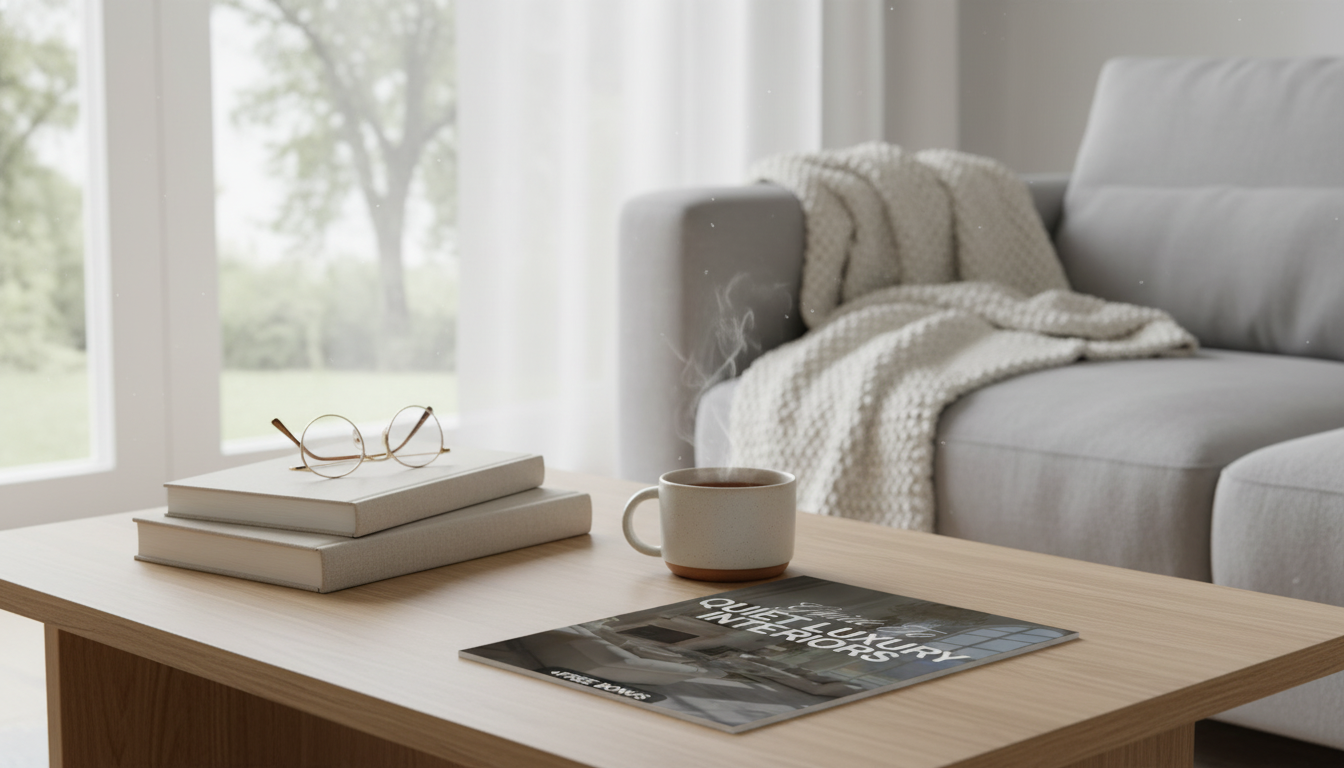
Quiet Luxury Interiors: Minimalist Design with a Neutral Palette and Timeless Details
Quiet luxury interiors combine restraint and refinement: calm spaces, thoughtful materials, and a neutral palette that feels effortless rather than empty. The look is minimalist without being cold—built on quality, proportion, texture, and a few intentional statements. The goal is a home that feels settled and elevated, where everything has a reason to be there and nothing fights for attention.
What “Quiet Luxury” Looks Like in a Minimalist Home
Quiet luxury isn’t about filling a room with expensive items—it’s about choosing fewer pieces and letting quality show through comfort, craft, and subtle detail. Expect understated essentials instead of trend-driven decor, clean lines softened by tactile finishes (linen, wool, wood grain, honed stone), and visual calm created by spacing and consistent color temperature.
It also carries a sense of permanence: classic silhouettes, heritage-feeling materials, and craftsmanship that doesn’t need a logo to announce itself. Comfort leads the aesthetic—deep seating, easy circulation, and lighting that makes the room feel flattering at every hour.
The Foundations: Space Planning and Proportion
If a room feels “busy” even with neutral colors, it’s often a layout issue. Start with circulation: clear walkways, fewer obstacles, and furniture scaled to the room. Use negative space as a design tool by leaving breathing room around key pieces, especially around seating and beds.
Anchor each room with one quiet hero—your sofa, dining table, or bed—chosen in a timeless silhouette. Then reduce visual noise by repeating a few shapes (rectangles, gentle arches, cylinders) across furniture and lighting. Finally, edit by category: decide a limit for books, decor, and surfaces so styling stays intentional.
Simple room layout rules that create a calm, premium feel
| Area | Aim | Practical checkpoint |
|---|---|---|
| Living room | Conversation and ease | Sofa + chairs face each other; clear path around seating |
| Dining | Clarity and balance | Table centered; pendant aligned; chairs tuck fully |
| Bedroom | Rest and softness | Nightstands similar scale; lighting on both sides |
| Entry | Order and restraint | One tray or bowl; closed storage for overflow |
| Hallways | Flow | Keep walls and floors visually continuous; avoid cluttered consoles |
Neutral Palette, Done Right (So It Doesn’t Feel Flat)
A neutral palette reads luxurious when it has direction. Choose a base neutral family—warm (ivory, sand, greige) or cool (stone, soft gray, taupe)—then commit to a tight set of 3–5 core colors across walls, upholstery, and rugs. Depth comes from layering value and undertone: light walls, mid-tone textiles, and a few deeper accents for grounding.
Use black or dark bronze sparingly for definition—think one lamp base, a thin frame, or minimal hardware. Let natural light guide your whites: north-facing rooms often benefit from warmer whites, while south-facing rooms can handle cooler tones. For a helpful primer on undertones, see Sherwin-Williams’ overview of undertones.
Texture and Materials: Where the Luxury Actually Lives
Quiet luxury is felt more than it’s seen. Prioritize tactile contrast: matte walls with nubby textiles, crisp cotton paired with wool, smooth plaster next to wood grain. Limit shine so the space stays calm; brushed, satin, and patinated metals read richer than high-polish finishes everywhere.
Choose fewer, better materials and repeat them to build cohesion—one dominant wood tone, one main metal finish, and one stone look. Add softness through linen drapery, wool rugs, and boucle or cotton upholstery. In high-traffic homes, “honest materials” can also mean convincing, durable alternatives that hold up beautifully over time without constant worry.
Lighting That Feels Expensive (Without Being Loud)
Lighting is one of the fastest ways to make a minimalist room feel intentionally designed. Aim for three layers: ambient (ceiling or overall), task (reading, prep, vanity), and accent (art, shelving, wall wash). Keep color temperature consistent; warm white often supports a neutral, serene mood. The Lighting Research Center’s basics are a strong reference for understanding layers and light quality.
Room-by-Room Moves for a Timeless Quiet Luxury Look
Living room
Kitchen
Bedroom
Bathroom
Home office
A Practical Interior Design Checklist (What to Decide in What Order)
Featured resource for cohesive decisions
For a step-by-step framework you can reference while planning, shopping, and styling, explore the Guide to Quiet Luxury Interiors | Minimalist Home Design eBook | Neutral Palette, Timeless Style & Interior Design Checklist.
Consider a calm, classic anchor upgrade
If the bedroom is your first refresh, a single anchor piece can set the tone. A structured silhouette and soft upholstery can support a quieter, more finished look—see the Twin Size Upholstered Bed with LED Lights and Crown Headboard as an example of an all-in-one focal point to design around.
Using the eBook to Make Confident, Cohesive Choices
It also supports a gradual upgrade approach: replace one anchor at a time while keeping the same neutral direction, then refine with lighting and editing. For inspiration and industry perspective on enduring design choices, browse features at Architectural Digest’s interior design section.
FAQ
How is quiet luxury different from minimalism?
Minimalism focuses on reducing and simplifying, while quiet luxury keeps the visual calm but elevates it with better materials, comfort, craftsmanship, and layered textures. The space can still be sparse—just more tactile, functional, and refined.
How can a neutral palette feel warm instead of bland?
Pick a clear undertone direction (warm or cool), then layer light, mid, and deeper values so the room has depth. Texture does the rest: linen, wool, wood, and matte finishes add warmth, while a few dark accents create definition.
What’s the best first upgrade for a quiet luxury look on a budget?
Start with lighting: add dimmers where possible and bring in layered lamps for a softer, more expensive feel. Next, upgrade textiles (rug, curtains, bedding) and declutter surfaces—those changes shift the mood without major renovations.











Leave a comment