Retro Mini Aluminum Bike Bell: Compact, Clear Ring
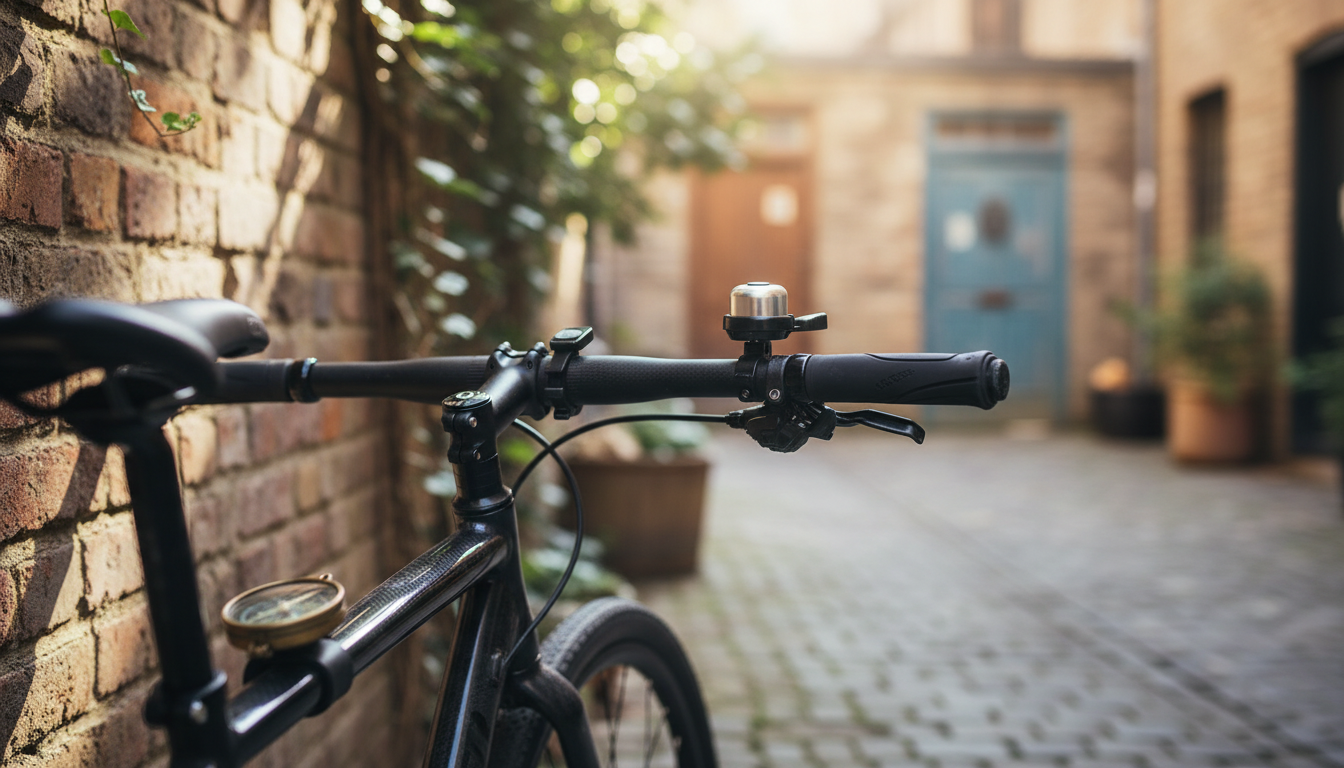
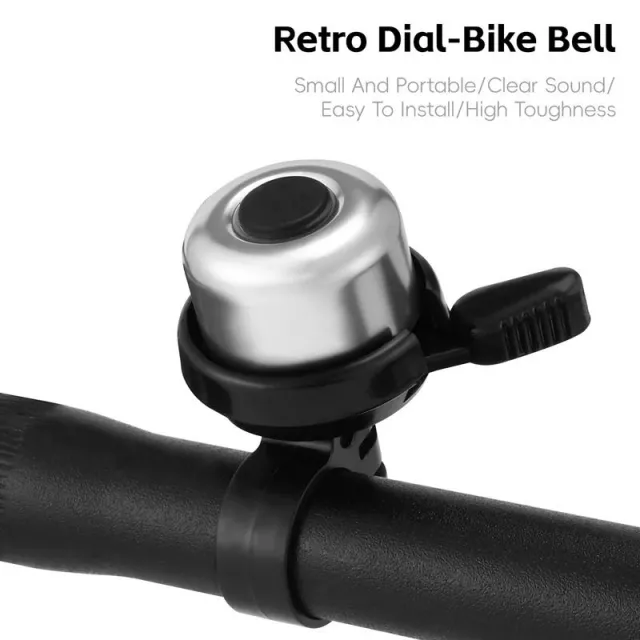
Retro Mini Aluminum Bike Bell for MTB & Road Bikes
A good bell does two things well: it gets attention quickly and it stays out of the way until needed. This retro-style mini aluminum bell is designed to be compact on the handlebar while delivering a clear safety chime for shared roads, bike lanes, and multi-use trails.
If your bars are already crowded with a front light, computer, phone mount, or a dropper remote, a smaller bell can be the simplest upgrade that still adds real day-to-day safety. For riders building a clean cockpit (or refreshing a classic look), an aluminum bell also tends to feel more “bike part” than a bulky plastic accessory.
What This Mini Bell Adds to Everyday Riding
- Clear, quick signaling for passing pedestrians, other riders, and slower traffic on paths
- Compact profile that helps keep cockpits tidy alongside lights, computers, and phone mounts
- Metal construction look and feel that pairs well with classic, commuter, and modern builds
- Simple action that’s easy to trigger without changing hand position for long
On shared paths, the best bell is the one you’ll actually use. A compact bell that’s easy to reach encourages earlier, more courteous signaling—often preventing awkward last-second swerves or shouty “on your left” moments. It’s also an ideal addition for school runs, neighborhood loops, and weekend greenway rides where mixed traffic is the norm.
Design Highlights: Retro Look, Modern Practicality
- Aluminum bell body with a clean, retro-inspired silhouette that fits both casual and performance setups
- Mini form factor intended to reduce snag risk and avoid interfering with brake/shift levers
- Bell tone designed for short, polite alerts that cut through ambient street and trail noise
- Weather-friendly material choice that resists rust better than many basic steel bells
Aluminum is a practical choice for riders who park outside, ride in damp conditions, or simply don’t want their cockpit accessories to look tired after a season. While no bell is “set and forget” forever, a metal body typically holds up better to scuffs, sweat, and rain than many entry-level options.
For broader safety habits beyond audible alerts—especially around cars—authoritative guidance from organizations like NHTSA and the League of American Bicyclists is worth reviewing. A bell helps, but smart positioning, visibility, and awareness still do most of the heavy lifting.
Fit and Compatibility on MTB and Road Handlebars
- Suitable for common flat bars (MTB/commuter) and many drop-bar setups when positioned near the stem or tops
- Placement guidance: mount where the thumb can actuate the striker quickly, typically near grips or bar tape transition
- Consider existing accessories (front light, computer mount) and leave space for safe hand movement
- If using thick grips or bar tape, check clamp clearance and tighten gradually to avoid pinching soft materials
Quick Compatibility Checklist
| Setup | Recommended placement | Notes |
|---|---|---|
| MTB / flat bar | Near left grip or near stem | Keep clear of dropper remote and brake lever reach |
| Road drop bar | Near stem on tops or near hood area (if space) | Avoid interference with cables and hand positions |
| Commuter / hybrid | Near grip, aligned forward | Pairs well with lights and baskets when space is planned |
On drop bars, the “best” spot varies by rider. If the tops are your primary cruising position on paths, mounting near the stem on the tops keeps the bell reachable. If you spend more time on the hoods, look for a location that doesn’t conflict with hand placement, cable routing, or the hood clamp band area.
Sound and Trail Etiquette: Getting Noticed Without Startling
On multi-use trails, ringing early is often the most polite option: it gives walkers time to process the sound and move predictably. Avoid a rapid-fire ring right behind someone, which can feel startling and cause unpredictable steps. If you ride off-road or on mixed-use singletrack, it also helps to follow established courtesy guidelines like the IMBA Rules of the Trail, including yielding and controlling speed.
Installation and Care
When a Compact Bell Is the Right Choice (and When It Isn’t)
Product Snapshot
- Product: Retro Mini Aluminum Bike Bell – Compact Safety Horn for MTB & Road Bikes
- Price: $16.51 (USD)
- Availability: In stock
- Category: Sport & Outdoors
- Best for: riders seeking a small, durable bell for everyday safety signaling
At-a-Glance Details
| Detail | Value |
|---|---|
| Model | Retro Mini Aluminum Bike Bell |
| Material | Aluminum |
| Use | MTB and road bikes |
| Availability | In stock |
| Price | $16.51 USD |
More In-Stock Picks
- Retro Mini Aluminum Bike Bell – Compact Safety Horn for MTB & Road Bikes
- Men’s Genuine Leather Cowboy Belt with Copper Buckle for Jeans
FAQ
Will this bell fit both flat MTB handlebars and road bike bars?
It’s suitable for common flat MTB/commuter bars and can also work on many road drop bars when mounted near the stem on the tops or where there’s safe clearance near the hood area. Check available space around cables, levers, and bar tape so the bell doesn’t interfere with your normal hand positions.
How loud should a bike bell be for shared paths?
A clear, polite ring used early is usually more effective than maximum volume used late. On busy paths, it helps to slow down and add a calm verbal callout when appropriate, since courtesy and speed control matter as much as loudness.
Where is the best place to mount a compact bell?
Mount it where your thumb can trigger the striker quickly without shifting your grip—often near the left grip on flat bars or near the stem/tops on drop bars. Make sure it won’t clash with brake levers, shifters, dropper remotes, or other accessories.















Leave a comment