Sharp Stainless Steel Peeler for Fast Fruit & Veg Prep
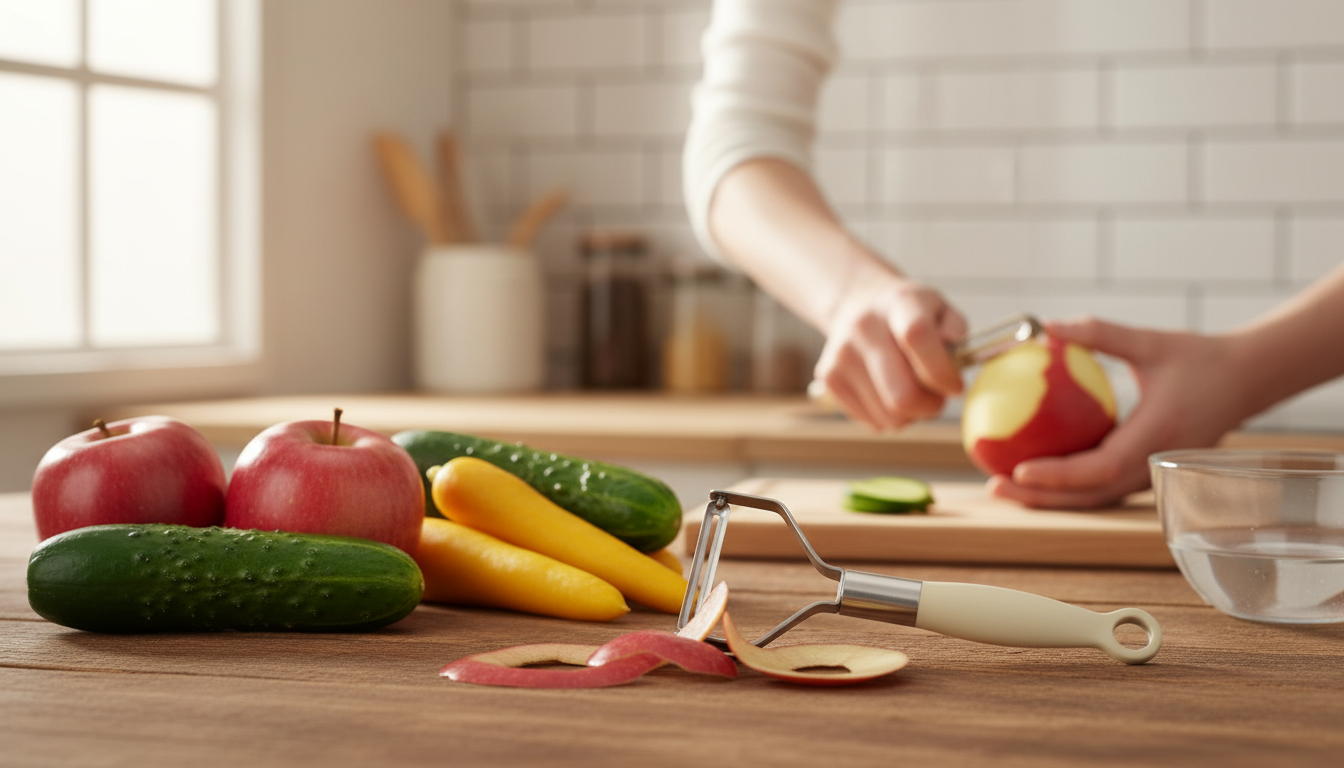
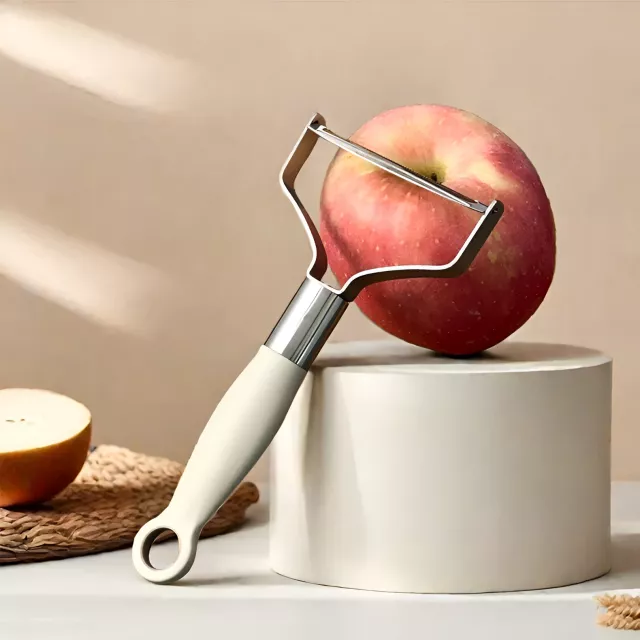
Stainless Steel Manual Fruit & Vegetable Peeler with Sharp Blade (1 Pc): Everyday Prep Made Simple
A reliable peeler saves time, reduces waste, and makes quick work of everyday produce prep. A stainless steel manual peeler is built for smooth, controlled peeling with a sharp blade and a straightforward, easy-to-hold form that fits naturally into daily cooking routines—whether dinner is a weeknight rush or a relaxed weekend batch-prep.
What This Peeler Is Designed to Do
Peelers do one job—remove skins—yet the difference between “good enough” and “use it every day” comes down to control and consistency. This stainless steel manual peeler is designed for common kitchen tasks where speed and a light touch matter.
- Handle everyday produce quickly: potatoes, carrots, cucumbers, apples, pears, and more.
- Remove thin, consistent strips to help keep more edible flesh and reduce prep waste.
- Support controlled, short strokes for steadier handling during fast kitchen prep.
- Work as a simple, non-electric tool that’s easy to store and grab when needed.
For households that cook frequently, a dependable manual peeler also keeps prep moving without extra setup—no cords, no charging, and no specialized attachments to track down.
Key Features That Matter in Daily Use
On paper, most peelers seem similar. In practice, small details affect how your hands feel after peeling a full pot of potatoes or a big batch of carrots.
- Stainless steel construction for durability and everyday kitchen conditions.
- Sharp blade intended to glide over skins with less pressure, helping reduce hand fatigue.
- Manual format that stays dependable without batteries, charging, or complicated parts.
- Compact, lightweight profile that fits neatly in a utensil drawer or on a hook.
A sharp blade is especially practical for “quick peel” moments—like stripping a cucumber for a salad or peeling apples for a snack—because it helps you use lighter pressure and fewer passes.
Best Uses: Fruits, Vegetables, and Quick Garnish Prep
A peeler earns its place when it can transition from heavy-duty skins to thinner, more delicate produce without making prep feel fussy. For best results, match your pressure to the food’s firmness.
Everyday produce that peels cleanly
- Firm vegetables: potatoes, sweet potatoes, carrots, beets, turnips.
- Tender produce: cucumbers, zucchini, apples, pears (use light pressure for thin skins).
- Meal prep workflows: peel first, then rinse and slice to help keep boards and hands cleaner.
- Simple finishing touches: quick ribbons or thin strips for salads and bowls (where appropriate).
If you like the look of “clean edges” on produce (for example, alternating peeled stripes on cucumbers), a manual peeler makes it easy to control exactly where the blade travels.
Care, Cleaning, and Food-Safe Handling
Because peelers contact raw produce and your hands are close to the blade, cleaning habits and safe technique matter just as much as sharpness. For general guidance on cleaning kitchen tools and preventing cross-contamination, see the USDA’s recommendations on keeping kitchen surfaces clean and sanitary: USDA FSIS — Kitchen Companion: Clean. If you’re cooking for someone with a weakened immune system, the FDA also emphasizes careful cleaning and sanitizing practices: FDA — Food Safety for People with Weakened Immune Systems (Clean and Sanitize).
- Rinse promptly after use to prevent residue from drying onto the blade edge.
- Wash with warm water and dish soap; use a soft brush if pulp collects near the blade.
- Dry thoroughly to help maintain a clean surface and reduce spotting over time.
- Store with the blade protected (in a utensil organizer or away from loose metal tools) to help preserve sharpness.
- Use a stable cutting board and peel away from fingers; keep the non-peeling hand clear of the blade path.
A simple routine—rinse, wash, dry, store—goes a long way toward keeping a stainless steel peeler ready for the next meal without surprises.
Quick Comparison: What to Look For in a Manual Peeler
If you’re evaluating peelers (or replacing an old one), these practical checks help separate a drawer-filler from a tool you’ll reach for daily.
| Feature | Why it matters | What to check |
|---|---|---|
| Sharp blade | Peels with less pressure and fewer passes | Even, smooth peel strips; minimal snagging |
| Stainless steel build | Durability and straightforward cleaning | Solid feel; no loose parts |
| Comfortable handling | Better control for speed and safety | Secure grip; stable in wet hands |
| Easy to clean | Hygiene and convenience | Rinses quickly; no hard-to-reach traps |
When to Replace a Peeler
Even a durable manual peeler can eventually wear down from repeated contact with firm skins and frequent washing. Replacing at the right time can make prep feel faster and safer.
- Peeling starts to require noticeably more force or multiple passes.
- The blade edge snags on skins instead of gliding smoothly.
- Visible damage appears on the blade or the tool no longer feels secure in hand.
- Cleaning becomes difficult due to wear, residue buildup, or deformation.
A peeler that forces you to push harder can lead to slips. If performance changes, swapping to a fresh, sharp tool is often the simplest fix.
Available Now
For a straightforward, durable option for daily prep, see the product page here: Stainless Steel Manual Fruit & Vegetable Peeler with Sharp Blade – 1 Pc.
- Men’s Genuine Leather Cowboy Belt with Copper Buckle for Jeans
- Large Dog Slicker Brush & Comb Set for Doodles, Poodles and Long Coats
FAQ
Is a stainless steel peeler safe to use on acidic fruits like apples or citrus?
Yes for typical kitchen use. Rinse and wash after peeling acidic produce, then dry the peeler to keep the surface clean and maintain performance.
How can the blade stay sharp longer?
Use light pressure, avoid scraping against hard pits, wash and dry promptly, and store it so the blade doesn’t bang against other metal tools.
What’s the safest way to peel quickly?
Use a stable cutting board, keep fingertips behind the peeling path, peel away from your body, and don’t force the tool if it starts snagging.















Leave a comment