Silicone Suction Baby Bowl Set: Bowl, Spoon & Fork
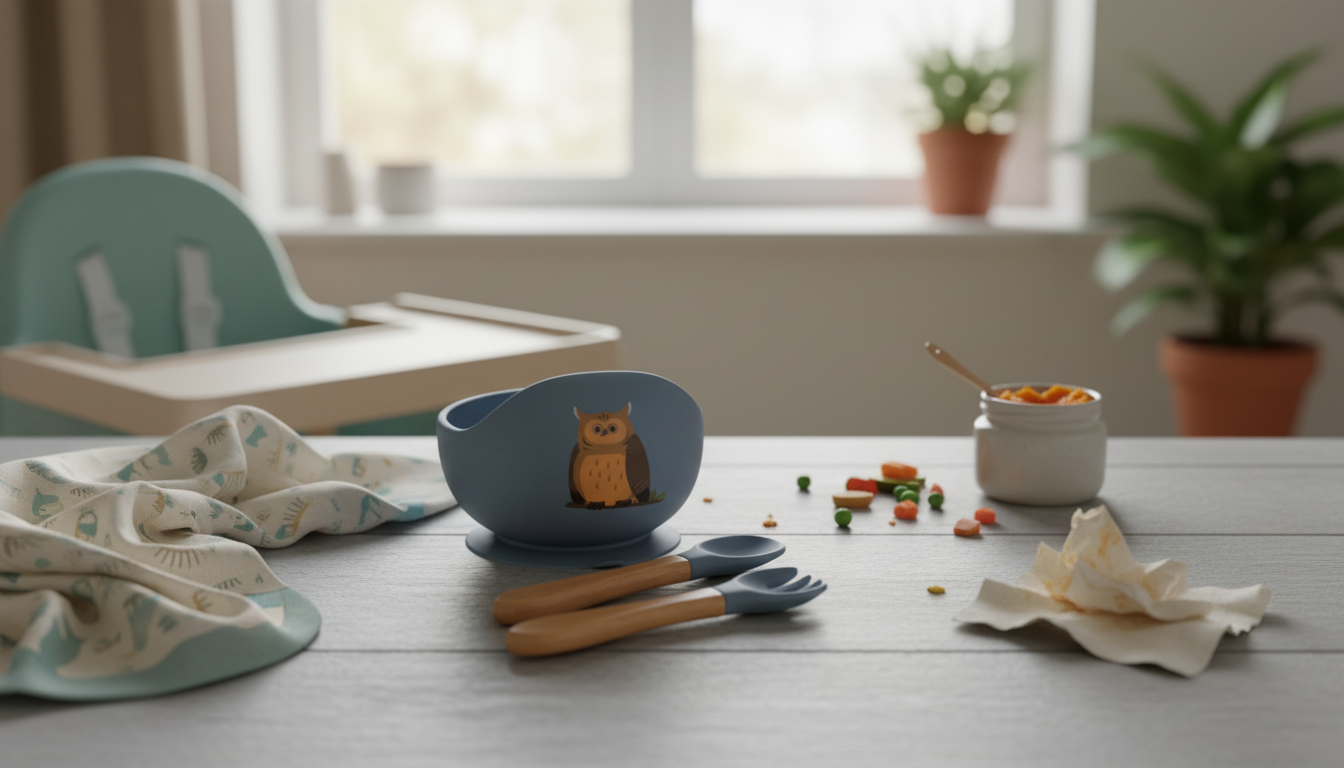
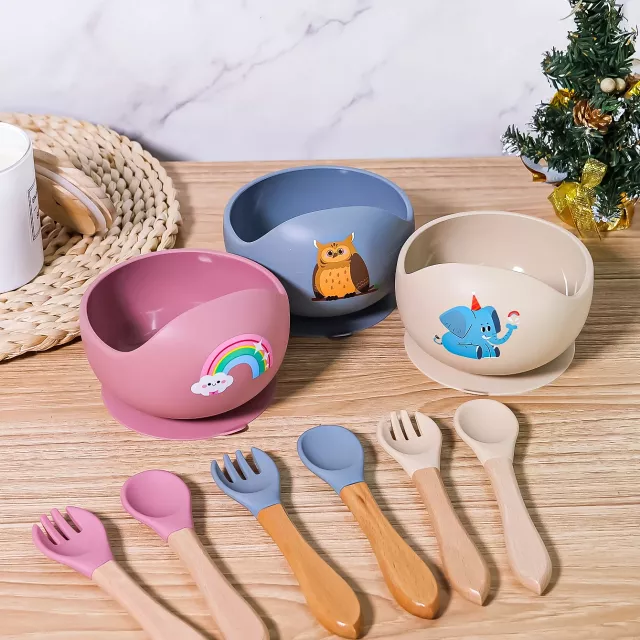
3-Piece Silicone Baby Feeding Bowl Set with Suction Base, Spoon & Fork
Mealtimes get easier when the bowl stays put and utensils fit small hands. This 3-piece silicone set pairs a suction-base bowl with a spoon and fork designed for early self-feeding, helping reduce spills while supporting independence at the high chair. It’s a simple, everyday setup for purees, mashed foods, and the first soft finger foods—without needing a full cabinet of baby dishes. For more guidance, see Amazon.com: PandaEar Silicone Baby Feeding Set| 2 Pack Silicone ….
What’s Included in the Set
This set is built for day-to-day feeding routines and the “practice phase” of self-feeding, when little ones want to explore but still need help staying on track.
- 3-piece bundle: suction bowl + spoon + fork for everyday feeding routines
- Sized for purees, mashed foods, and small portions during early solid-food stages
- Simple, minimalist design that works at home or in a diaper bag
Set overview
| Item | Purpose | Why it helps |
|---|---|---|
| Silicone bowl with suction base | Holds food securely on the tray/table | Helps reduce tipping, tossing, and sliding |
| Spoon | Scooping soft foods and purees | Supports early grip and controlled feeding |
| Fork | Spearing soft finger foods | Encourages self-feeding as textures progress |
Suction Base: Getting a Strong Hold
A suction bowl can be a game-changer, but suction depends on surface and setup. If the bowl ever feels like it “doesn’t work,” the fix is often a quick reset.
- Best suction comes from clean, smooth, non-porous surfaces (sealed wood, plastic, glass, metal)
- Press down firmly at the center of the bowl to expel air and maximize grip
- If suction weakens, wipe the surface and the bowl base dry and try again
- Textured high-chair trays may reduce suction; a smooth placemat or tray liner can help
For the strongest hold, remove crumbs and any oily film first (like butter or cooking spray residue). Even a thin layer can break the seal and cause sliding during enthusiastic scooping.
Silicone Material and Everyday Safety Notes
Silicone is popular in baby feeding gear because it’s flexible, durable, and gentle on gums during teething. Like any feeding item, it works best when paired with a few common-sense safety habits.
- Silicone is widely used in baby feeding items because it’s flexible, durable, and gentle on gums
- Check the set routinely for tears, cracks, or rough edges and replace if damaged
- Always supervise babies and toddlers while eating, especially when transitioning to thicker textures and finger foods
- Avoid serving overly hot foods directly; let food cool to a safe temperature before offering
For general guidance on when and how to introduce solid foods, see the American Academy of Pediatrics (HealthyChildren.org) recommendations. For practical safety reminders—especially around choking hazards and safe preparation—review the CDC’s food safety tips for young children.
Using the Spoon and Fork for Self-Feeding
Early utensil use is less about neat bites and more about building coordination. A bowl that stays put helps keep the focus on learning, not on chasing food across the tray.
- Start with thicker purees (less runny) to make scooping easier and less messy
- Pre-load the spoon for beginners, then gradually encourage baby-led scooping
- Use the fork for soft, easy-to-spear foods (ripe fruit slices, steamed vegetables, soft pasta)
- Offer small portions and refill the bowl to reduce overwhelm and spills
A helpful rhythm is “small scoop, small win.” Add a modest amount of food, let your child try a few scoops, then refill. This keeps the bowl lighter (harder to lever up) and reduces big spills if little hands get curious.
Cleaning and Care for Busy Days
Silicone is straightforward to care for, but strongly colored foods can leave temporary discoloration if they sit too long. A quick rinse right after meals goes a long way.
- Wash promptly after use to prevent staining and lingering odors from strongly colored foods
- For odor removal, soak briefly in warm water with mild dish soap; rinse thoroughly and air dry
- Ensure the suction base and underside are fully dry before storage to prevent slipping next time
- Keep utensils together with the bowl for grab-and-go packing
If you’re ever curious about how food-contact materials are regulated in the U.S., the FDA overview of food contact substances is a useful reference.
When This Set Makes the Most Sense
This is an easy “starter trio” for families who want fewer pieces, less mess, and a consistent routine—especially during the early solids window when babies want to participate.
Common Issues and Quick Fixes
Product Details and Where to Get It
- Product: 3-Piece Silicone Baby Feeding Bowl Set with Suction Base, Spoon & Fork
- Includes one bowl with suction base plus matching spoon and fork
- Good for daily meals, snacks, and early self-feeding practice
- Plush Squeaky Cartoon Octopus Dog Toy
- Wireless Gaming Earbuds with Triple Connection and Low-Latency Modes
FAQ
Will the suction base work on textured high-chair trays?
Suction works best on smooth, clean, non-porous surfaces. If your tray is textured, wipe both surfaces dry and try placing the bowl on a smooth placemat or tray liner to improve the seal.
How should the bowl and utensils be cleaned after purees and sticky foods?
Wash soon after use with mild dish soap, rinse thoroughly, and let the bowl and utensils air dry. Make sure the suction base is fully dry before storing so it grips well next time; a short warm soak can help with lingering odors or sticky residue.
When can a baby start using a fork?
Many babies can begin practicing with a fork once they’re confidently handling thicker textures and soft finger foods, often later in the first year, but timelines vary. Start with very soft, easy-to-spear foods and supervise closely while they learn.















Leave a comment