Smart Sonic Toothbrush: 6 Modes, 8 Heads for Daily Care
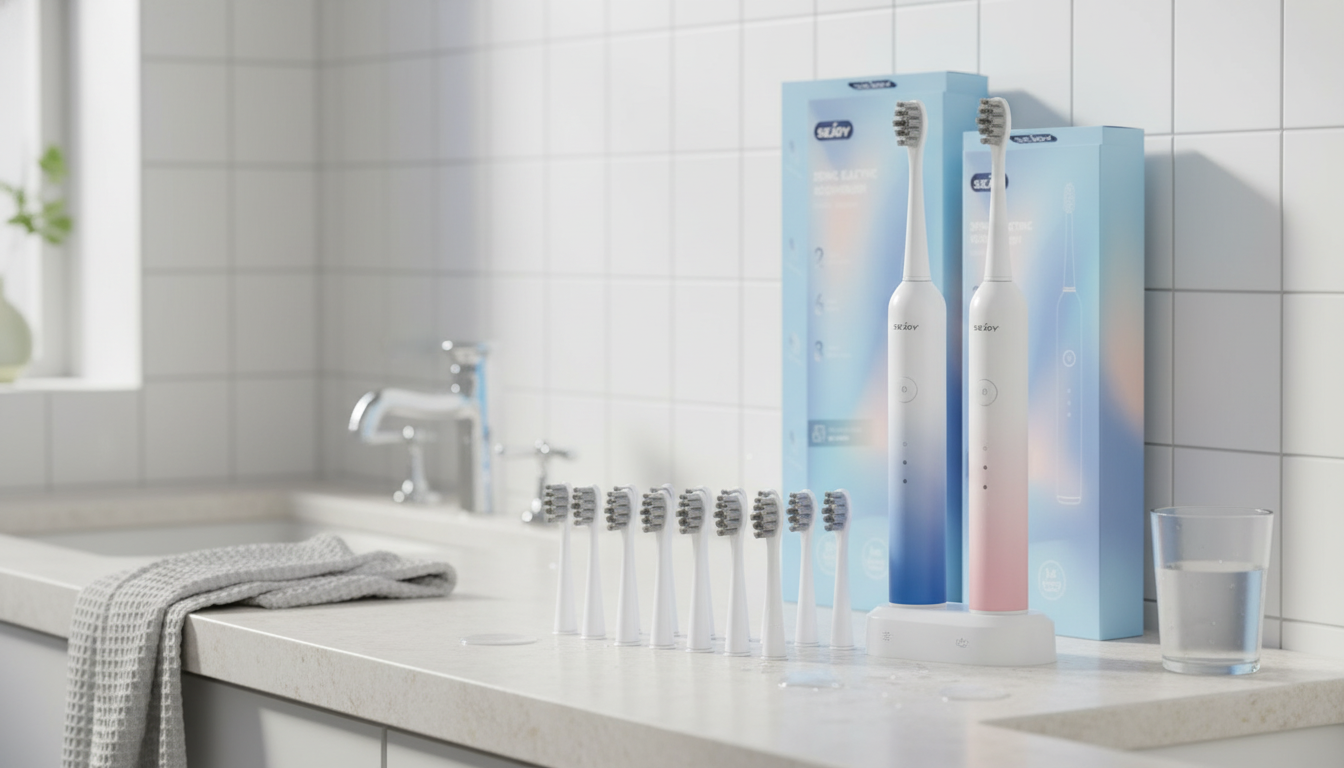
Smart Sonic Electric Toothbrush with 8 Heads & 6 Cleaning Modes
A sonic toothbrush can make daily brushing feel more consistent by combining timed sessions, multiple modes, and replaceable heads for different needs. This smart sonic model includes 6 cleaning modes and 8 brush heads, making it easy to keep a fresh head on hand and adjust intensity for sensitive days, deeper cleans, or gum-focused care.
What makes a sonic toothbrush “smart” for everyday routines
“Smart” doesn’t have to mean complicated. For most people, it means features that reduce guesswork and help make brushing more even from day to day—especially when mornings are rushed or nighttime routines get shortened.
- Sonic vibration helps move fluid and toothpaste around teeth and along the gumline, supporting a thorough clean with less effort than manual brushing.
- Multiple modes allow switching between gentle care, daily maintenance, and more intensive polishing without changing tools.
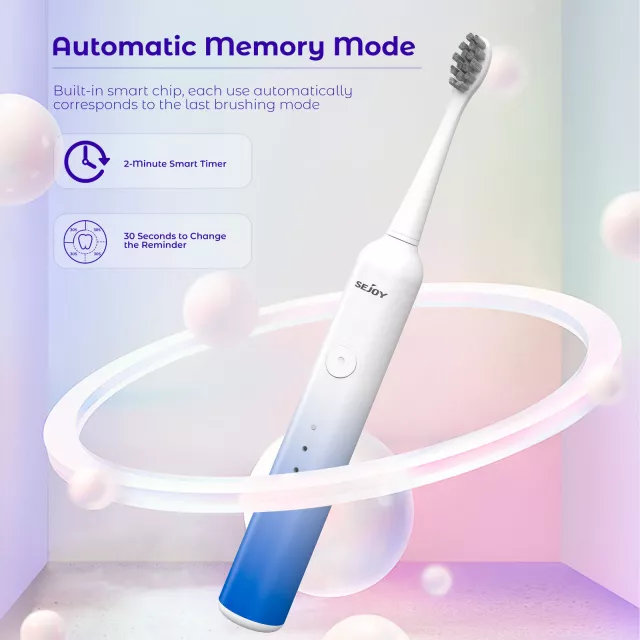
- Timed brushing support (common in sonic handles) encourages completing a full session and balancing attention across the mouth.
- Extra replacement heads reduce the friction of upkeep, helping maintain bristle performance by swapping heads regularly.
For general toothbrushing guidance, the American Dental Association (ADA) recommends gentle technique and consistent habits—two areas where a timed, multi-mode sonic brush can help people stay on track.
What’s included and who it suits best
This set is built to be straightforward: one handle, plus enough heads to keep replacements ready without last-minute store runs.
- Includes 1 sonic toothbrush handle and 8 replacement brush heads for longer-term use and easy rotation.
- A practical fit for households that want fewer trips to buy heads, dorm/travel kits, or anyone building a consistent oral-care routine.
- Helpful for people who prefer options: gentler brushing on sensitive days and stronger cleaning when needed.
- Works well as a starter sonic brush for those moving up from a manual toothbrush and wanting guidance from preset modes.
Shop the featured toothbrush
If you’re ready to upgrade your routine, see the full details here: Smart Sonic Electric Toothbrush with 8 Heads & 6 Cleaning Modes.
Understanding the 6 cleaning modes
Modes are most useful when they match real life—like switching to gentler brushing after a cleaning, or choosing a more intensive setting when you want a “just left the dentist” feel (without pressing harder).
- Daily clean: for routine plaque removal and general use.
- Sensitive/gentle: for tender gums, recent dental work, or anyone who prefers softer sensation.
- Gum care/massage: aimed at stimulating the gumline while still cleaning along the margins.
- Whitening/polish: typically a higher-intensity feel designed for surface stain management (not a replacement for professional whitening).
- Deep/strong clean: focused on a more vigorous clean, useful for people who feel manual brushing misses areas.
- Switching modes: start gentle for the first few days, then move up as comfort improves.
| Mode | Best for | Tips |
|---|---|---|
| Daily Clean | Everyday brushing | Use as the default; keep the brush at the gumline and let the vibration do the work. |
| Sensitive/Gentle | Sensitive teeth or sore gums | Light pressure only; pair with a sensitivity toothpaste if recommended by a dentist. |
| Gum Care/Massage | Gumline attention | Angle slightly toward the gumline; avoid scrubbing back-and-forth. |
| Whitening/Polish | Surface stain reduction | Use consistently but gently; avoid excessive pressure to protect enamel and gums. |
| Deep/Strong | More intensive cleaning feel | Limit if gums feel irritated; alternate with Daily or Sensitive if needed. |
| Personal Routine | Mixing modes across the week | Example: Daily most days, Sensitive after dental cleanings, Polish a few times weekly. |
For a research overview of powered brushing benefits, this Cochrane Review on powered versus manual toothbrushes summarizes evidence that powered brushes can reduce plaque and gingivitis compared with manual brushing for many users.
Using the included brush heads effectively
Replaceable heads are a convenience only if they’re actually used on schedule. Fresh bristles tend to feel softer and clean more predictably along the gumline.
- Replace heads regularly to maintain cleaning performance; worn bristles clean less effectively and can feel harsher.
- Assign a fresh head for travel and keep it capped or separated to reduce contact with other items.
- If multiple people share a charging area, label heads or store separately to avoid mix-ups.
- Rinse thoroughly after each use and allow the head to air-dry upright when possible.
How to brush with a sonic handle (for better results with less pressure)
One of the biggest upgrades with a sonic brush is learning to do less. Instead of scrubbing, let the vibration do the cleaning while you guide the head methodically.
If you’re building a broader routine, the CDC’s oral health basics is a helpful refresher on brushing, flossing, and preventive care habits.
Care, charging habits, and simple hygiene
Quick checklist before buying
You may also like
- Men’s Genuine Leather Cowboy Belt with Copper Buckle for Jeans
- Large Dog Slicker Brush & Comb Set for Doodles, Poodles and Long Coats
FAQ
How often should toothbrush heads be replaced?
A common guideline is about every 3 months, or sooner if the bristles fray. It’s also smart to replace the head after an illness or anytime it looks worn and no longer holds its shape.
Is a stronger cleaning mode always better?
No—stronger isn’t always better if it irritates your gums. The best setting is the one that cleans comfortably with light pressure and consistent technique.
Can sonic toothbrushes help with plaque compared with manual brushing?
Many evidence reviews find powered brushes can reduce plaque and gingivitis versus manual brushing for a lot of users, especially when used consistently and correctly. Results still depend on gentle pressure and covering all tooth surfaces.













Leave a comment