Suede Cloth Pocket Diapers: One-Size Fit, Custom Absorbency
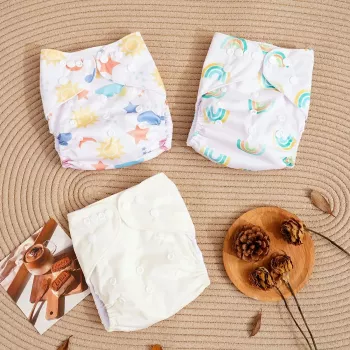
Reusable Adjustable Suede Cloth Pocket Diapers: Comfort, Custom Absorbency, and a One-Size Fit
Reusable pocket diapers with a suede-cloth inner layer are built for day-to-day comfort, flexible absorbency, and a fit that adapts as your baby grows. Instead of guessing which diaper will work best for a quick errand, a nap, or overnight, pocket diapers let you change the absorbency by swapping inserts. With the right adjustment at the waist and legs—and a consistent wash routine—one-size pocket diapers can take you from the early weeks through toddlerhood while reducing reliance on disposables.
What a pocket diaper is and how it works
A pocket diaper is a two-part design in one piece: a waterproof outer shell paired with a stay-dry inner lining that creates a “pocket” for absorbent inserts. The shell helps keep clothes dry, while the inserts do the heavy lifting.
- Pocket design: The inner layer sits against baby’s skin, and inserts slide into the pocket opening so absorbency stays contained.
- Adjustable absorbency: Add or remove inserts depending on time of day, baby’s output, and how long you need between changes.
- Reusable system: Instead of throwing diapers away, you launder and reuse—an approach that aligns with reduce-and-reuse guidance like the EPA’s waste reduction framework (Reduce, Reuse, Recycle).
- One-size concept: Rise snaps and waist snaps change the diaper’s length and width to cover a broad weight range.
One-size fit (6–33 lbs): getting the best adjustment
One-size diapers typically fit best when you treat the snaps like a dial: start small and open up as baby’s torso length and waist change. For a diaper designed to fit roughly 6–33 lbs, expect a few “re-tuning” moments during growth spurts.
- Use rise snaps first: Shorten the diaper for smaller babies by snapping down the rise; open the rise as baby gets longer.
- Check the waist: Aim for snug but not tight—two fingers under the waistband is a helpful rule of thumb.
- Set the “underwear line”: The diaper should sit like underwear. The back should land below the shoulder blades, not up near the mid-back.
- Fine-tune leg seals: For chunky thighs, prioritize comfort while keeping elastics in the crease. For slender legs, adjust hip snaps to eliminate side gaps.
- Read the signs: Light red marks can be normal after wear, but persistent deep marks, broken skin, or repeated leaks usually mean the fit needs adjusting.
If you’re ever unsure, diapering basics and skin comfort tips from pediatric resources can be helpful, including general guidance available through the American Academy of Pediatrics’ parenting site (HealthyChildren.org).
Suede cloth lining: comfort and stay-dry feel
Suede cloth is commonly used as a stay-dry lining in pocket diapers. It’s designed to feel soft and to help moisture pass through toward the insert, rather than letting wetness linger against skin.
- Comfort-forward feel: Many babies tolerate suede cloth well for daytime wear because it reduces the “wet” sensation.
- The insert still matters most: The lining isn’t the main absorbent layer; it’s the pathway that moves moisture to the absorbent core.
- Don’t assume sensitivity right away: If irritation pops up, check detergent choice, wash routine, and cream compatibility before blaming the fabric itself.
Choosing inserts and building absorbency for day and night
The biggest advantage of pocket diapers is that absorbency can change without changing the diaper itself. Start trim, then add capacity as needed—especially for naps, outings, and overnight.
| Use case | Typical setup | Notes |
|---|---|---|
| Daytime (home) | 1 insert | Change on a regular schedule; adjust sooner for heavy wetters. |
| Outing / longer stretch | 2 inserts | Check fit after stuffing; bulk can affect leg seal. |
| Nap time | 1–2 inserts | Add capacity if leaks happen near the end of naps. |
| Overnight | 2+ inserts (layered) | Prioritize capacity and fit; consider boosting for belly sleepers. |
Leak prevention: common causes and quick fixes
Washing and care for long-term performance
Since diapering involves frequent cleanups, keep basic hygiene habits consistent—CDC handwashing guidance is a solid reference for routine sanitation (CDC: Handwashing).
Practical setup: what to keep on hand
Product overview: Reusable Adjustable Suede Cloth Pocket Diapers – One-Size for 6–33 lbs
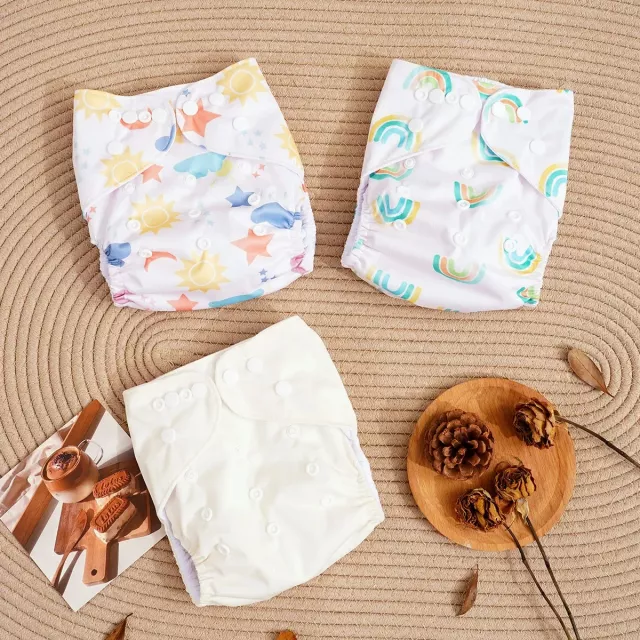
If you want a flexible cloth diaper that adapts from early babyhood through toddler stages, Reusable Adjustable Suede Cloth Pocket Diapers – One-Size for 6–33 lbs are designed around the key features that make pocket diapers practical:
More in-stock picks
- Large Dog Slicker Brush & Comb Set for Doodles, Poodles and Long Coats
- Men’s Genuine Leather Cowboy Belt with Copper Buckle for Jeans
- Twin Size Upholstered Bed with LED Lights and Crown Headboard
FAQ
How often should a pocket diaper be changed during the day?
Most babies do well with changes about every 2–3 hours, but newborns and heavy wetters may need more frequent changes. Change immediately after poop to help protect skin and prevent stains.
Can one-size pocket diapers work for a small baby around 6–10 lbs?
Yes, as long as the rise snaps are set to shorten the diaper and the waist and leg seals are snug without gaps. Fit varies by body shape, and using trim inserts can help reduce bulk for smaller babies.
Why is the diaper leaking even though the insert isn’t soaked?
Common reasons include compression leaks (pressure from sitting or a car seat), flooding (the insert absorbs too slowly), fit gaps at the legs/hips, or repelling from detergent buildup or fabric softeners. Try improving fit, adding a faster-absorbing top layer, and reviewing your wash routine.














Leave a comment