Timberland Brown Rubber-Sole Sneakers for Fall/Winter
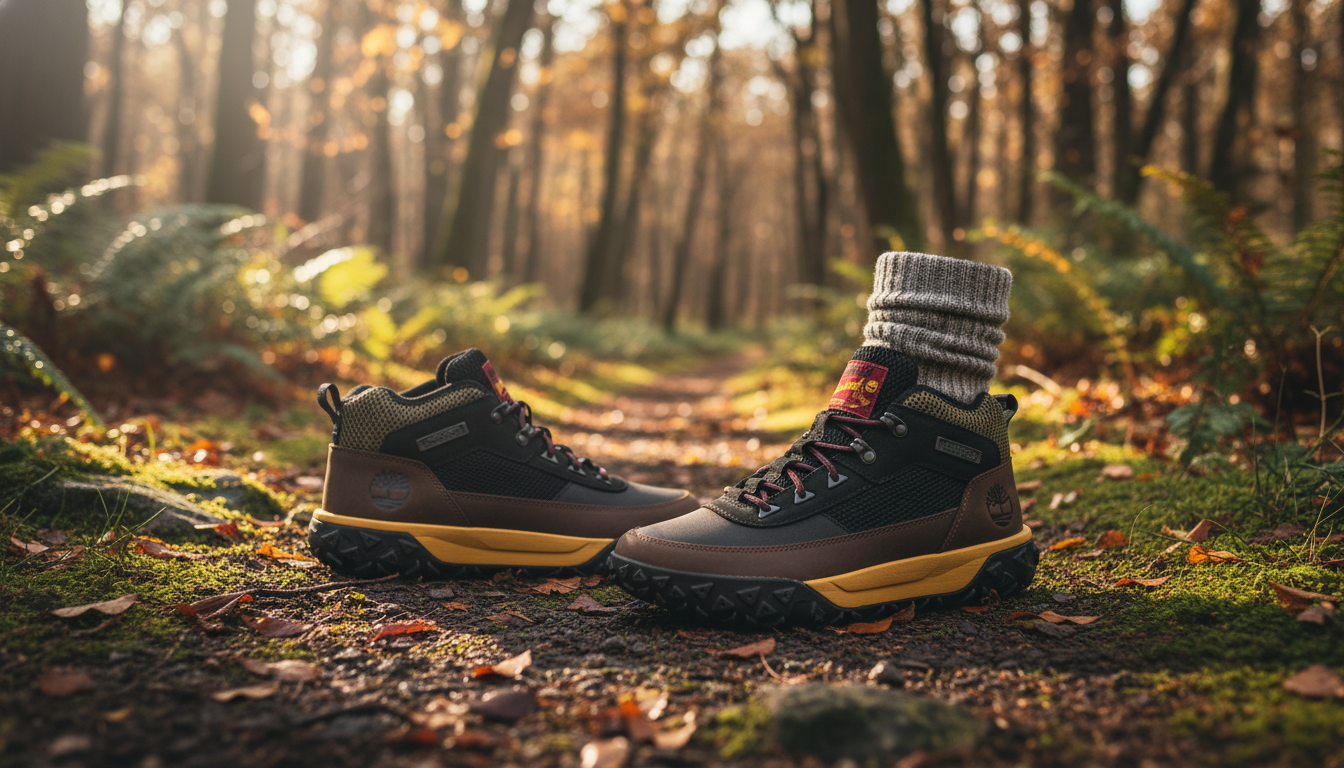
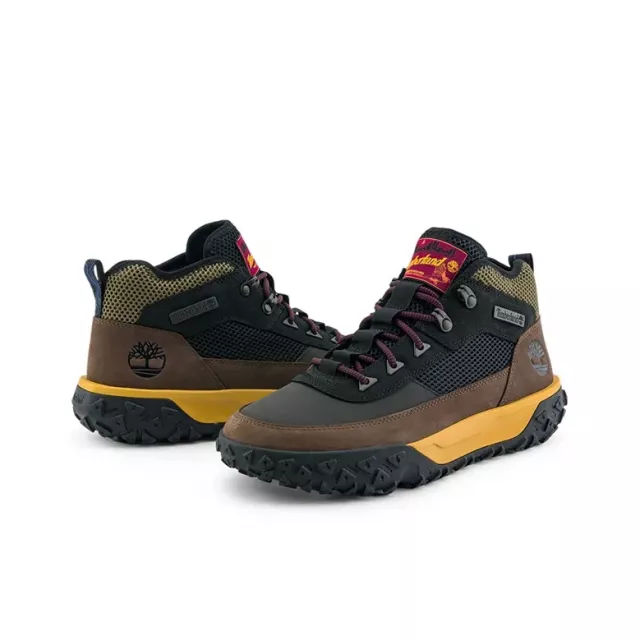
Timberland Men’s Brown Fall/Winter Sneakers with Rubber Sole
A dependable cold-season sneaker needs grip, comfort, and durability without feeling bulky. This Timberland men’s brown option is built for everyday wear through fall and winter, pairing a stable rubber sole with a versatile color that works with casual and smart-casual outfits. If most days include damp sidewalks, chilly commutes, and plenty of walking, a traction-focused sneaker can be the difference between feeling steady and feeling like you’re tiptoeing through the season.
What Makes These a Strong Fall/Winter Sneaker
- Rubber outsole designed for confident footing on damp sidewalks, leaf-covered paths, and everyday city surfaces
- Brown upper that transitions easily from jeans and flannels to chinos and wool layers
- Sneaker profile that stays lighter and more flexible than many boots while still feeling secure underfoot
- Good choice for commuters and travelers who want one pair that can handle changing conditions
Quick Look: Key Details at a Glance
For fall/winter rotation, the goal is simple: a shoe that feels stable in variable weather and still looks pulled together with seasonal layers.
| Detail | What it means for daily wear |
|---|---|
| Rubber sole | Improves grip and helps resist faster wear from rough sidewalks |
| Fall/Winter use | Better suited for cooler temperatures and variable weather than lightweight summer sneakers |
| Brown colorway | Pairs well with denim, earth tones, and darker winter palettes |
| Sneaker silhouette | More flexible and lighter than most boots while still supportive |
| In stock | Ready for immediate purchase while sizes last |
Traction and Stability in Wet, Cold Conditions
Fall and winter surfaces change quickly: a dry morning can become a wet afternoon, and leaf-covered paths can hide slick patches underneath. Rubber outsoles generally maintain traction better than many hard plastics in cooler temperatures, helping the shoe feel more planted as conditions shift. When evaluating grip, pay attention to how the sole contacts the ground and whether the tread pattern looks capable of clearing water rather than skating across it.
- Rubber outsoles generally maintain traction better than many hard plastics in cooler temperatures
- For rainy days: look for confident ground contact and a tread pattern that clears water rather than feeling slick
- For early frost: a stable platform helps reduce foot fatigue during longer walks
- If regularly walking on ice, adding slip-on traction cleats can provide extra security beyond any sneaker outsole
For deeper snow, heavy slush, or prolonged time outdoors, a dedicated winter boot may still be the better tool. But for everyday city movement—parking lots, train platforms, errands—a rubber-sole sneaker is often the most comfortable “do-it-mostly-all” choice.
Comfort and Fit for All-Day Wear
Comfort in cooler months isn’t only about cushioning; it’s also about fit when socks get thicker and days get longer. A supportive everyday sneaker should feel secure at the heel while allowing enough toe room to prevent rubbing once your feet warm up during walking. For most people, a practical fit check is leaving about a thumb’s width of space in front of the longest toe, especially helpful when going downhill or moving quickly through stations and sidewalks.
- A supportive everyday sneaker should feel secure at the heel while allowing toe room for thicker fall/winter socks
- Aim for a thumb’s width of space in front of the longest toe to reduce pressure on downhill steps and long walks
- Lacing should lock the midfoot without pinching; heel slip often signals sizing or lacing adjustment needs
- Break-in tends to be easier with sneaker constructions, but initial short wears help identify hot spots early
If you want more general guidance on fit and foot-friendly shoe habits, the American Podiatric Medical Association’s shoe tips are a solid reference for everyday wear.
How to Style Brown Sneakers Through Fall and Winter
Brown sneakers are a quiet workhorse in a cold-season wardrobe: they look natural with textured fabrics and pair easily with warm neutrals. Keeping your outfit in the same “seasonal temperature” (earthy and deeper tones) helps brown footwear look intentional rather than accidental.
For a cohesive finish with denim, consider a matching accessory like the Men’s Genuine Leather Cowboy Belt with Copper Buckle for Jeans, which leans into the same warm, rugged tones that make brown sneakers feel at home in fall layers.
Care Tips to Keep Them Looking Sharp
For step-by-step cleaning guidance, see REI’s guide on how to clean shoes. For brand-specific material care and general do’s and don’ts, Timberland’s Product Care & FAQs is also helpful.
Product Option Available Now
Timberland Men’s Brown Fall/Winter Sneakers with Rubber Sole — a practical everyday choice for cooler seasons, combining traction-focused rubber underfoot with a versatile brown finish. Best for commuting, casual weekends, travel, and city walking when conditions shift between dry, damp, and chilly.
FAQ
Are rubber-sole sneakers good for winter?
Rubber soles are often a strong choice for winter walking because they tend to provide better grip and durability in cold, wet conditions than harder plastic soles. They can still be slippery on ice, so for frequent icy routes, add traction cleats or switch to dedicated winter footwear.
How should fall/winter sneakers fit with thicker socks?
Try them on with the sock thickness you’ll actually wear, then check for secure heel hold and comfortable toe room. You should have a bit of extra space in front of the toes without feeling loose through the midfoot; small lacing adjustments can help fine-tune lockdown.
How can brown sneakers be kept clean in wet weather?
Let them air-dry at room temperature after wet wear, then brush off dried dirt and wipe remaining spots with a damp cloth. A protector spray can help reduce water spotting and staining, but it’s best to test it on a small, hidden area first.











Leave a comment